


A New Way to Experience the Internet
OpenAI introduced something that might reshape how we all experience the web, ChatGPT Atlas.
It’s being called the world’s first AI-native browser, a tool that merges the open internet with the intelligence of ChatGPT itself.
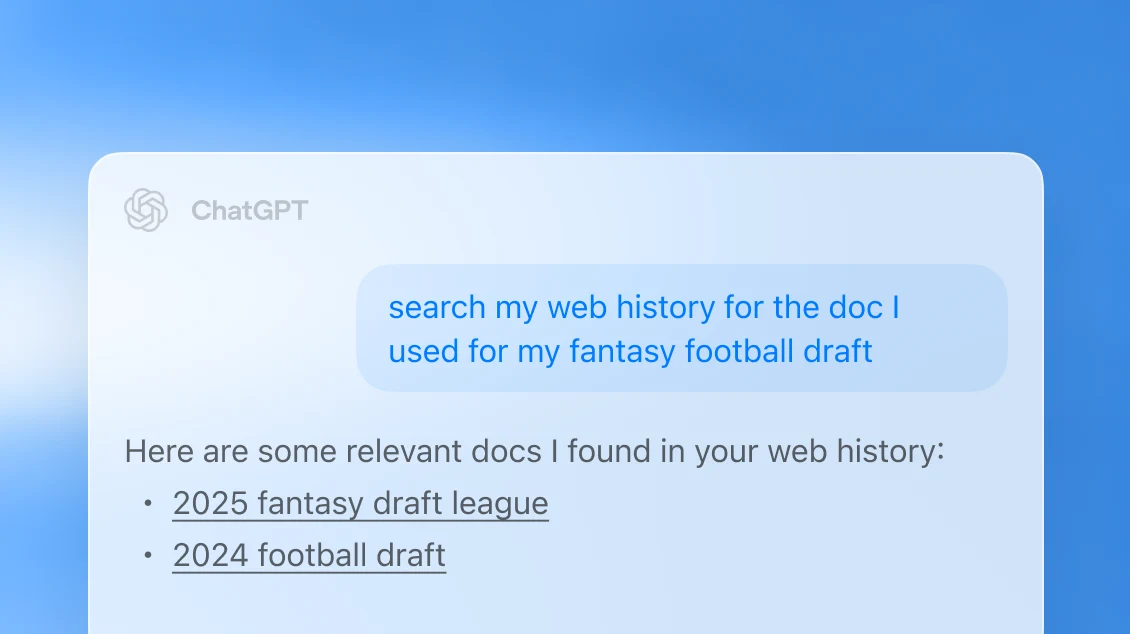
At first glance, Atlas looks like another Chrome-based browser. But at its core, it’s something very different. It’s a browser that thinks with you. It can summarize a web page, explain a paragraph, compare two products, or even navigate for you. Atlas transforms browsing into a conversation.
This is more than a new interface, it’s a new medium. And for those of us who build the web every day, it’s a glimpse into where digital design, content, and brand visibility are heading next.
From Search to Sense-Making
For decades, search engines have been about finding information. ChatGPT Atlas represents the shift toward understanding it.
Instead of users typing keywords into a search bar, they can now ask the browser itself questions about what they’re seeing:
“What’s the key takeaway from this article?”
“Compare this resort to others in Southern California.”
“Summarize this case study for me.”
The browser is no longer a static portal, it’s an interpreter. It reads the web like a human researcher would. It extracts meaning, context, and nuance.
For marketers, designers, and brands, this means your website isn’t just being visited, it’s being read, summarized, and judged by an intelligent assistant. That’s a radical shift in how information flows online.
The Rise of the AI-First Website
At Raincross, we’ve watched SEO evolve from keywords to intent, from ranking to relevance. Now, we’re entering a new era: AI-first web design.
In an AI-first world, websites are built not only for human eyes but also for intelligent agents that interpret meaning, tone, and authority. The next frontier of optimization isn’t about tricking algorithms, it’s about teaching them who you are.
That means:
- Writing with clarity and structure, so AI can understand your value.
- Building trust through verifiable authority and transparency.
- Creating digital experiences that fulfill intent, not just attract traffic.
When a user’s AI assistant reads your website, it should leave with the same impression you want a human visitor to have: credibility, expertise, and purpose.
Why ChatGPT Atlas Should Matter to Every Brand
AI-driven browsing will change how people make decisions online. Consumers may never need to “Google” their options, they’ll simply ask their assistant what’s best. And that assistant will rely on what it understands about your brand from your own digital footprint.
For brands, this means the web is becoming more conversational, more contextual, and far less forgiving of noise.
The question shifts from “How do I get found?” to “How do I get understood?”
At Raincross, we believe this is the most exciting creative challenge of the decade.
Designing for the AI Era
Design in the age of ChatGPT Atlas isn’t about pixels or plugins… it’s about perception.
It’s about crafting experiences that communicate clarity, empathy, and authenticity both to people and to the intelligent systems that interpret them.
Our philosophy moving forward is simple:
Build for humans.
Structure for machines.
Tell stories that resonate in both languages.
That’s what the next generation of digital presence will require.
The Raincross Perspective
As a marketing, advertising, and technology agency, Raincross has always operated at the intersection of creativity and innovation. From SEO to programmatic advertising, and now through AI-driven design and generative optimization, our mission remains the same – to help brands stay ahead of how people discover, experience, and trust them online.
ChatGPT Atlas is just the beginning of what’s coming. But for those ready to adapt, it’s also a massive opportunity – to lead, to simplify, and to be seen not just by algorithms, but by intelligence.