


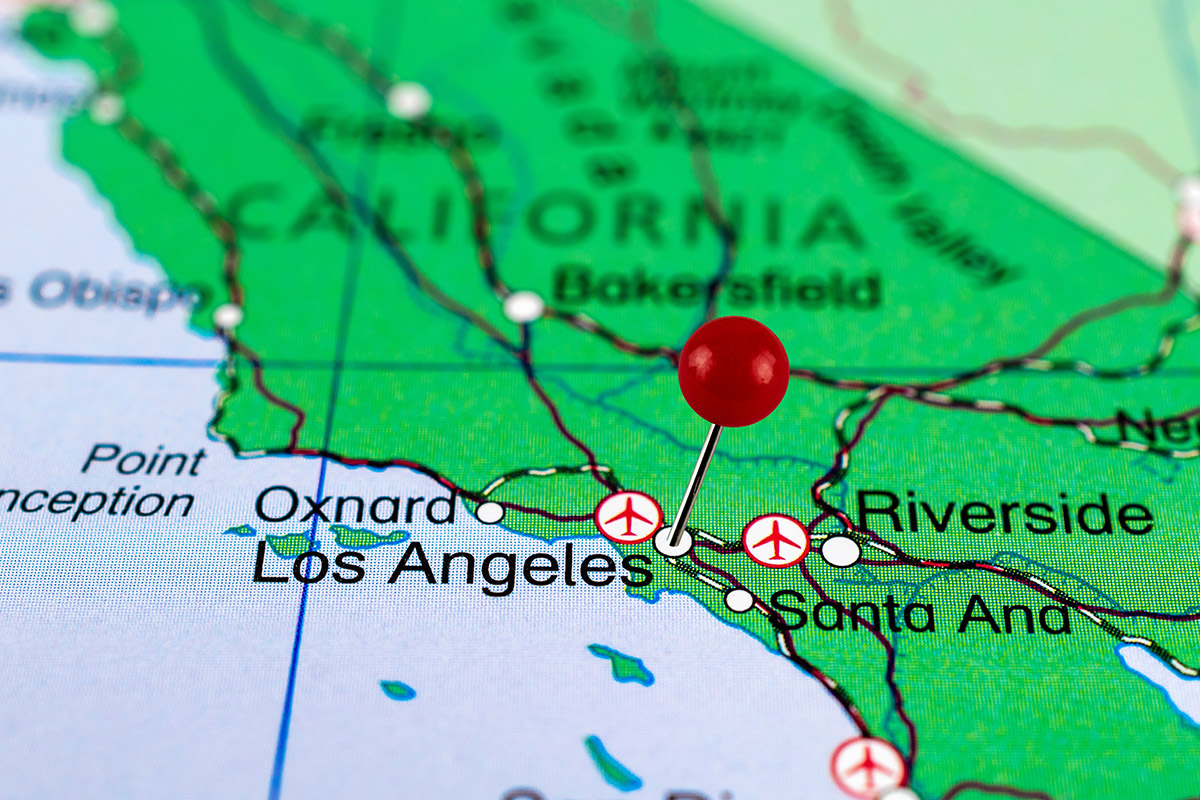
What is geofencing? In simple terms, geofencing is a virtual perimeter or “fence” around a physical location. This digital boundary can detect when a device enters or exits the specified area.
Key Points:
- Definition: A virtual fence around a physical location.
- Purpose: Notify specific actions when entering/exiting the area.
- Uses: Marketing, security, fleet management.
Imagine walking by your favorite coffee shop and getting a notification for a buy-one-get-one-free latte. That’s geofencing at work! This technology offers businesses a powerful way to target potential customers based on their location, enhancing real-time engagement and driving foot traffic.
By leveraging GPS, RFID, or Wi-Fi, geofencing creates highly targeted marketing campaigns, improves security measures, and optimizes fleet management. Businesses can set these virtual boundaries around their storefronts, competitors’ locations, or even event venues to connect with consumers in the area in a meaningful way.
My name is Kevin Watts, and I’m the founder of Raincross. With over a decade of experience in digital marketing, I’ve seen how geofencing can transform local marketing initiatives. Stay with us to uncover how this technology can lift your business strategies.
What is Geofencing?
Geofencing is a technology that creates virtual boundaries around a specific geographical area. When a mobile device enters or exits this area, it triggers a preprogrammed action, such as sending a notification or collecting data. This can be incredibly useful for marketing, security, and even personal reminders.
Technology Behind Geofencing
Geofencing relies on several technologies to work effectively:
- GPS: The Global Positioning System is the backbone of geofencing. It provides precise location data, allowing the geofence to know exactly when a device enters or exits the boundary.
- RFID: Radio Frequency Identification can also be used for geofencing. RFID tags can be placed on objects or people, and RFID readers can detect when these tags enter or exit the geofenced area.
- Wi-Fi: This technology helps in areas where GPS signals might be weak, such as indoors. Wi-Fi geofencing uses the proximity to Wi-Fi networks to determine location.
- Cellular Data: Cellular towers provide another way to track a device’s location. This is particularly useful in urban areas with many cell towers.
How Geofencing Works
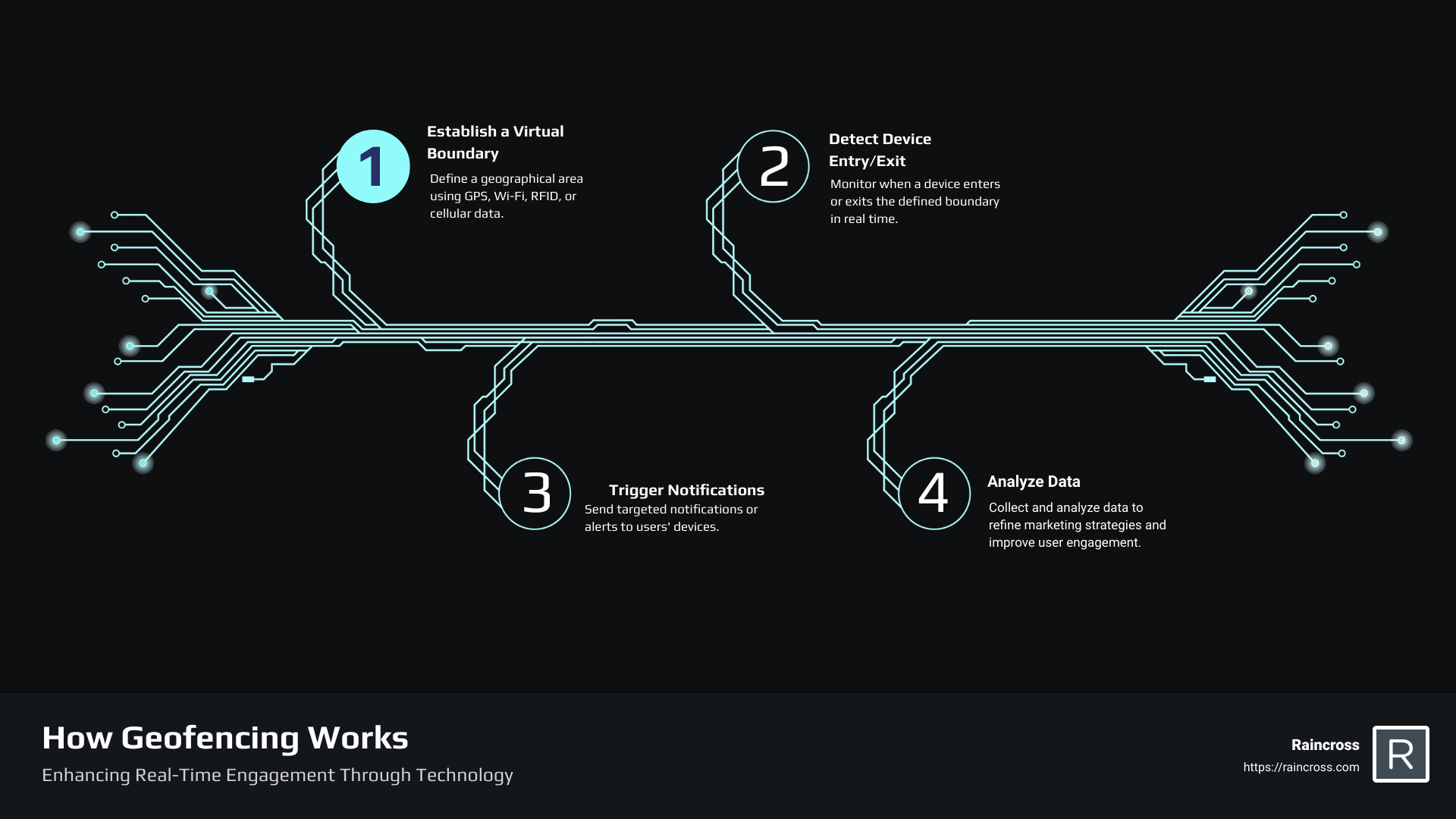
The mechanism of geofencing is straightforward but powerful. Here’s a step-by-step breakdown:
- Setting Up the Geofence: An administrator or developer uses mapping software to draw a virtual boundary around a specific location. This could be a store, a city, or even an entire state. The geofence can be a circle, polygon, or any custom shape.
- Collecting Location Data: Mobile devices continuously send location data using GPS, Wi-Fi, or cellular data. This data is processed by the geofencing software.
- Triggering Actions: When a device enters or exits the geofenced area, the software triggers a preprogrammed action. This could be sending a notification, displaying an ad, or logging the event for future analysis.
Practical Example
Imagine you own a coffee shop and set up a geofence around your location. When a customer with your app installed walks by, they receive a push notification: “Get 10% off your next coffee if you visit today!” This targeted marketing action is made possible by geofencing.

Types of Geofences
Geofences can be active or passive:
- Active Geofences: These require the user to opt-in to location services and have the app open. They provide real-time data and are highly accurate.
- Passive Geofences: These work in the background, relying on Wi-Fi and cellular data. They consume fewer resources but might not be as precise.
Real-World Applications
Geofencing isn’t just for marketing. It’s used in various industries:
- Security: Geofences can alert authorities if a drone enters restricted airspace.
- Human Resources: Companies can track employee locations for safety and productivity.
- Home Automation: Users can set up actions like “turn on the lights when I get home.”
By understanding what is geofencing and how it works, businesses can leverage this technology to improve their strategies and operations.
Next, we’ll explore how geofencing can significantly boost marketing strategies and customer engagement.
How Geofencing Improves Marketing Strategies
Geofencing can transform marketing strategies by making them more targeted and effective. Let’s explore how it works in real-world scenarios.
Targeted Advertising
Geofencing allows businesses to send ads to people when they are in a specific location. This means ads are more relevant and timely. For example, Starbucks uses geofencing to send offers to users near their stores. When you walk by a Starbucks, you might get a notification for a discount on your favorite drink.
Customer Engagement
Geofencing can also boost customer engagement. By sending personalized messages, businesses can interact with customers in a meaningful way. Uber uses this technology to notify users when there are ride promotions available in their area. This makes the customer feel special and increases the likelihood they will use the service.
Sales Boost
One of the biggest benefits of geofencing is the potential to increase sales. Target uses geofencing to send in-app notifications to customers when they are near a store. This can include special deals or reminders about items they might need. This tactic has led to higher foot traffic and more sales.
Location-based Offers
Geofencing makes it easy to offer location-specific deals. For instance, if you’re near a Burger King, you might receive a coupon for a discounted meal. This not only draws customers to the store but also encourages them to make a purchase.
Examples of Effective Geofencing
Uber
Uber uses geofencing to improve user experience and engagement. When users are in high-demand areas, they receive notifications about surge pricing or available promotions. This helps Uber manage demand and keep users informed.
Starbucks
Starbucks is a pro at using geofencing. They send personalized offers to users when they are near a store. This strategy has been very successful in driving foot traffic and increasing sales.
Target
Target uses geofencing to improve the shopping experience. When customers are near a Target store, they receive notifications about ongoing sales and special promotions. This has led to increased in-store visits and customer loyalty.
Geofencing offers a powerful way to make marketing more effective by targeting the right people at the right time. Next, we’ll look at how geofencing is applied across different industries.
Applications of Geofencing Across Industries
Geofencing isn’t just for marketing; it’s a versatile technology with applications in various fields. Let’s explore how different industries leverage geofencing.
Geofencing in Retail
In-app Notifications: Retailers use geofencing to send in-app notifications to customers’ smartphones when they enter a predefined area. For example, a clothing store might alert you to a flash sale as you walk by.
Customer Loyalty Programs: Geofencing improves loyalty programs by offering personalized deals to loyal customers when they are near a store. This encourages repeat visits and boosts customer engagement.
Competitor Targeting: Some retailers set up geofences around competitor locations. When a potential customer visits a rival store, they receive a notification with a better offer, enticing them to switch.
Geofencing in Security Management
Asset Tracking: Companies use geofencing to monitor valuable assets. If an asset leaves a designated area, the system triggers an alert, helping prevent theft and loss.
Drone Management: Geofencing ensures drones stay within designated areas. For example, airports and stadiums use geofences to create no-fly zones, enhancing security.
Restricted Area Alerts: Geofencing can secure restricted areas. If an unauthorized person tries to enter, security teams receive an immediate alert.
Geofencing in Human Resources
Time Management: Employers use geofencing to track employee attendance. When an employee enters or exits the workplace, the system logs their time, simplifying payroll and attendance tracking.
Security Management: Geofencing helps manage access to secure areas within a business. If an employee attempts to enter an unauthorized zone, security is notified.
Geofencing in Law Enforcement
Monitoring: Law enforcement agencies use geofencing to monitor individuals under house arrest. An ankle bracelet alerts authorities if the person leaves the permitted area.
Crime Scene Management: Geofencing can create virtual perimeters around crime scenes, ensuring only authorized personnel enter.
Geofencing in Home Automation
Smart Homes: Geofencing can automate home systems. For instance, when a homeowner’s smartphone enters a geofenced area, the thermostat adjusts, and lights turn on automatically.
Pet Tracking: Pet owners use geofencing to monitor their animals. If a pet leaves the designated area, the owner receives an alert, helping quickly locate the pet.
Geofencing’s versatility makes it a valuable tool across various industries. Next, we’ll explore the advantages and challenges of implementing geofencing technology.
Advantages and Challenges of Geofencing
Geofencing is a powerful tool, but like any technology, it comes with its own set of advantages and challenges. Let’s break down some of the key points you need to know.
Technical Limitations
Device Dependency: Geofencing relies heavily on the user’s device. If the device isn’t compatible or doesn’t have the necessary features (like GPS), geofencing won’t work effectively. This limits the reach and effectiveness of your campaigns.
Battery Consumption: Active geofencing, which uses GPS services constantly, can drain a device’s battery quickly. This can be a major drawback for users, making them less likely to keep location services on.
App Accessibility: If users don’t have your app installed or haven’t granted necessary permissions, geofencing won’t work. This means you need a strategy to encourage users to download and use your app.
Privacy and Ethical Considerations
User Consent: Before you can start using geofencing, users must allow location tracking. This means obtaining explicit consent, which can be a hurdle if users are concerned about their privacy.
Data Security: Collecting location data comes with the responsibility of keeping that data secure. Any breach can lead to serious trust issues and legal consequences.
Accuracy
When properly implemented, geofencing can be incredibly accurate, often to within a few meters. This precision allows businesses to target users very effectively. However, accuracy can vary depending on the technology used (GPS, Wi-Fi, cellular data) and environmental factors.
Personalization
One of the biggest advantages of geofencing is its ability to offer personalized experiences. By targeting specific locations, businesses can send relevant messages and offers. For example, Starbucks uses geofencing to send personalized offers to users near their stores, boosting foot traffic and sales.
Battery Consumption
As mentioned earlier, active geofencing can significantly drain a device’s battery. This is because it requires the GPS to be running constantly. Passive geofencing, which runs in the background, consumes less battery but is less effective for real-time notifications.
Privacy Concerns
Collecting and using location data raises privacy issues. Users may feel uncomfortable with constant tracking. It’s crucial to be transparent about how you collect and use this data. Always provide options for users to opt out.
Device Dependency
Geofencing depends on the user’s device capabilities. Older devices or those with limited functionality may not support geofencing features. This can limit the effectiveness of your campaigns.
App Accessibility
For geofencing to work, users need to have your app installed and grant necessary permissions. This requires a strategy to encourage app downloads and ensure users keep location services enabled.
In summary: Geofencing offers many advantages, such as accuracy and personalization, but also comes with challenges like battery consumption and privacy concerns. Balancing these factors is key to a successful geofencing strategy.
Next, we’ll dive into some frequently asked questions to further explain geofencing.
Frequently Asked Questions about Geofencing
What is the Purpose of Geofencing?
Geofencing serves various purposes depending on the industry and specific needs. Here are some key purposes:
- Marketing Efficiency: Geofencing helps businesses target their audience more precisely. When a potential customer enters a geofenced area, they can receive personalized offers or ads. For instance, a coffee shop can send a discount coupon to someone passing by, increasing the chances of a sale.
- Improved Security: Geofencing is used to secure premises by setting up virtual boundaries. If an asset or person crosses these boundaries, an alert is triggered. Airports, military bases, and other sensitive areas use this feature to prevent unauthorized access.
- Improved Data Collection: Companies can gather valuable data about customer behaviors and preferences. For example, a retail store can track how often customers visit and what times are busiest. This data can help in optimizing inventory and staff schedules.
How Does Geofencing Technology Work?
Geofencing technology relies on several key components:
- GPS Coordination: Geofences use GPS to define virtual boundaries. This is the most common method and allows for accurate location tracking.
- Software Triggers: Once a geofence is set, software triggers actions when a device enters or exits the boundary. These actions can range from sending notifications to logging entry and exit times.
- Mobile Connectivity: For geofencing to work effectively, mobile devices need to have location services enabled. This ensures the device can be accurately tracked within the geofenced area.
What are the Disadvantages of Geofencing?
While geofencing offers many benefits, there are also some drawbacks to consider:
- Limited Reach: Geofencing is highly location-specific. This means it won’t be effective for reaching a broader audience. It’s best suited for local businesses targeting nearby customers.
- Dependency on Mobile Apps: For geofencing to work, users need to have the relevant app installed and grant permission for location services. Convincing users to download and keep the app running can be challenging.
- Privacy Issues: Collecting location data raises privacy concerns. Users may be wary of being tracked and could opt out of location services, reducing the effectiveness of geofencing. It’s crucial to ensure compliance with privacy laws and to be transparent with users about data usage.
By understanding these FAQs, businesses can better leverage geofencing technology to meet their goals while being mindful of its limitations and ethical considerations.
Next, let’s explore how geofencing is applied across various industries.
Conclusion
Future Prospects
Geofencing is evolving rapidly, and its future looks promising. With advancements in augmented reality (AR) and predictive analytics, geofencing campaigns will become even more immersive and effective. Imagine walking past a store and seeing a virtual display of deals via AR on your smartphone. Predictive analytics will allow marketers to anticipate user behavior, enabling real-time campaign adjustments for better results.
Industry Adaptation
Industries across the board are adopting geofencing technology. From retail to security, human resources to law enforcement, the applications are endless. For example, retailers use geofencing to send in-app notifications and special offers to customers nearby, boosting foot traffic and sales. Security firms employ it for asset tracking and drone management, ensuring safety and compliance. Even human resources departments use geofencing to track employee attendance and manage resources efficiently.
Raincross Commitment to Innovative Marketing Solutions
At Raincross, we are committed to helping our clients harness the power of geofencing. Our geofencing services are designed to deliver targeted, location-based marketing solutions that drive engagement and sales. We understand the complexities and nuances of geofencing technology and are dedicated to providing innovative and effective marketing strategies.
In conclusion, geofencing offers a dynamic way to engage with customers, improve security, and optimize operations. As the technology continues to advance, its applications will only grow, offering exciting opportunities for businesses willing to accept it. At Raincross, we are here to guide you through this journey, ensuring that you make the most of what geofencing has to offer.
Ready to take your marketing to the next level? Contact us to learn how geofencing can benefit your business.