
Manufacturing / Public Relations
The future of aerospace is being built by people in our communities
The challenge
Lockheed Martin's work is highly technical and often tied to programs that cannot be discussed publicly. The public recognizes the aircraft and programs without seeing the engineers, technicians, students, veterans, suppliers, and community partners behind them. The task was to convey that broader impact while respecting the security, legal, and regulatory requirements of the industry.
- Market
- Manufacturing
- Capability
- Public Relations
- Client
- Lockheed Martin
The outcome
0.0B
Media impressions
Result
0
Earned-media placements
Result
0%
Increase in positive regional coverage
What we did
Building the narrative
The platform centered on one message: the future of aerospace is being built by people in our communities. Rather than leading with military platforms or corporate announcements, the campaign showed how investments translated into careers, education, technical training, innovation, and economic opportunity. Four themes carried it.
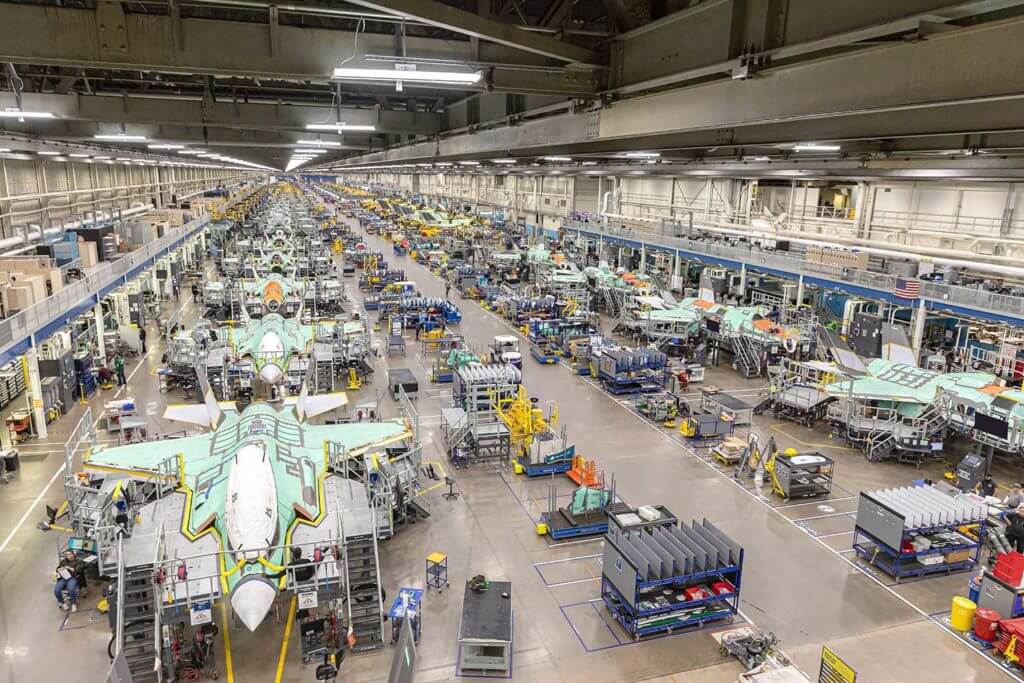
Advanced manufacturing stories showed how digital engineering, robotics, artificial intelligence, automation, and augmented reality were changing how aerospace systems get built, translated into language journalists, students, policymakers, and neighbors could follow. Workforce development stories put engineers, technicians, software developers, and skilled trades at the center, with career pathways for community-college students, university graduates, apprentices, veterans, and experienced professionals.
STEM education work elevated partnerships with schools, colleges, universities, and nonprofits preparing students for technical careers. Community and economic impact work connected operations to local employment, supplier relationships, volunteerism, charitable investment, and long-term economic activity.
Media relations
Outreach spanned aerospace, defense, technology, manufacturing, business, workforce, education, and regional outlets, organized around specific story opportunities rather than corporate press releases. Concepts included intelligent factories changing aerospace manufacturing, the next generation of skilled aerospace workers, community-college career pathways, veterans moving into advanced manufacturing, women leading aerospace engineering, artificial intelligence supporting modern production, California suppliers in the aerospace economy, and STEM programs preparing students for technical careers. Each pitch was matched with the right executive, engineer, employee, educator, student, or community partner.
Executive thought leadership
A thought-leadership program positioned executives and technical leaders as informed voices in larger industry conversations rather than promoters of the company. Topics covered the future of advanced manufacturing, developing America's technical workforce, artificial intelligence and human expertise, domestic production capacity, pathways into aerospace careers, public-private partnerships in STEM, and California's role in aerospace innovation, delivered through contributed articles, interviews, keynotes, panels, briefing materials, and LinkedIn content.
Humanizing the brand
Employee profiles formed the spine of the campaign: engineers, manufacturing technicians, software developers, apprentices, veterans, community-college graduates, program managers, women in technical leadership, and multigenerational aerospace families. Each story focused on why the person chose the work, how it fed a larger mission, and the path that brought them into aerospace.
Community relations and events
Communications were coordinated with schools, colleges, workforce-development organizations, chambers of commerce, elected officials, nonprofits, and community leaders, with partnership announcements framed around shared outcomes. Activity included STEM events, student facility tours, apprenticeship partnerships, veteran recruitment, scholarship presentations, volunteer projects, supplier and small-business programs, and community open houses.
Event publicity covered planning, media advisories, press materials, spokesperson preparation, partner coordination, on-site media management, photography and video, social content, and post-event outreach. Where facility or technology access was restricted, approved visuals, interviews, animations, fact sheets, and virtual media materials filled the gap.
Issues and reputation management
An issues-monitoring framework tracked community concerns, workforce and labor topics, environmental questions, program and procurement news, supply-chain issues, facility activity, misinformation, and breaking industry developments. Response protocols set approval pathways, spokesperson responsibilities, holding statements, and stakeholder notifications, so the company could respond accurately and quickly without speculating or touching restricted information.
Credibility comes from the people, partnerships, and communities around the programs.
Translate the technical into the human
In a category where much of the work cannot be discussed, credibility comes from the people, partnerships, and communities around the programs. That is the story that can be told, and it is the one that moves recruiting, reputation, and public understanding.
National technology leadership, told through local human stories.
Let's make complex work understandable
If your best story is hard to tell, we will find the parts that can be told and build a program around them.