









Advertising that answers to revenue

Capability
Advertising
Question it answers
How do we generate demand?
Promise
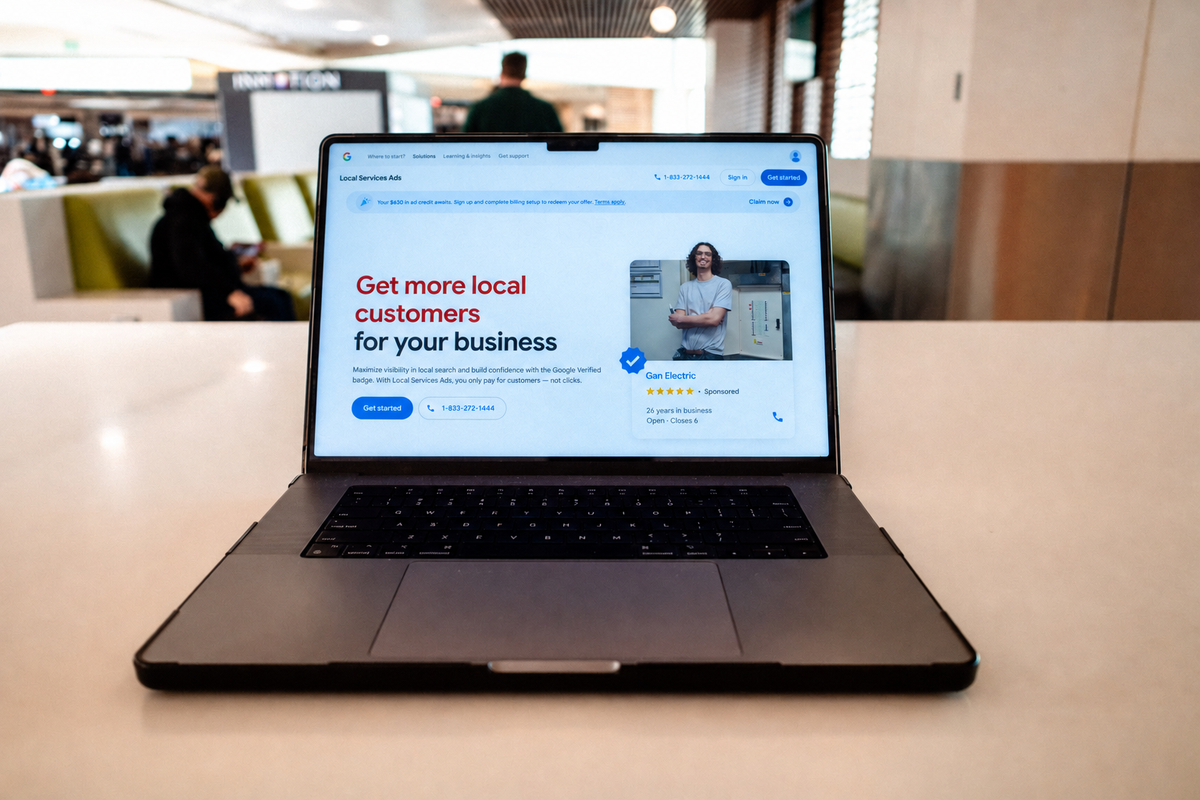
We plan and buy media against the buying journey rather than the platform. Search, social, programmatic, location, streaming video, and audio are run together, with a single measurement model underneath so every dollar reads cleanly against the business.

We plan and buy media against the buying journey rather than the platform. Search, social, programmatic, location, streaming video, audio, and direct channels such as email are run together, with a single measurement model underneath so every dollar reads cleanly against the business.

$0M+

Managed advertising investment across public and private sector organizations

0+

Campaigns launched across search, social, programmatic, video, and web

0+

Years delivering performance marketing

0

advertising services run under one plan

01Services

Our advertising services.

Engage the full capability or a single service. Each one opens onto its own page: approach, process, platforms, and proof.

11 services | 4 stages

00Partners and networks

Where we buy.

The platforms we are certified on and the networks we place advertising with, across search, social, programmatic, streaming, audio, and out of home.

Platform partners

  • Google Ads logoGoogle Ads
  • Microsoft Advertising logoMicrosoft Advertising
  • Meta logoMeta
  • LinkedIn logoLinkedIn
  • TikTok logoTikTok
  • Amazon DSP logoAmazon Ads
  • and more...

Demand-side platforms

  • Basis logoBasis
  • The Trade Desk logoThe Trade Desk
  • DV360 logoDV360
  • StackAdapt logoStackAdapt
  • Yahoo DSP logoYahoo DSP
  • Amazon DSP logoAmazon DSP
  • and more...

Streaming and television

  • Hulu logoHulu
  • Roku logoRoku
  • Peacock logoPeacock
  • Paramount+ logoParamount+
  • Disney+ logoDisney+
  • YouTube TV logoYouTube TV
  • and more...

Audio and out of home

  • Spotify logoSpotify
  • iHeartMedia logoiHeartMedia
  • Pandora logoPandora
  • SiriusXM logoSiriusXM
  • Vistar Media logoVistar Media
  • Lamar Advertising logoLamar
  • and more...

Selected clients

02The experts behind the work

Meet some of the experts behind Advertising.

A selection of the specialists who lead and shape this work, supported by a broader multidisciplinary team.

03Overview

One media plan, built for how people actually buy.

Most programs are assembled channel by channel, each with its own dashboard and its own definition of success. Busy, well reported, and impossible to trace back to revenue.

We start from the buying journey instead. Model the demand, decide which moments are worth paying for, then choose channels to serve that plan and move budget toward evidence every week.

Independent. No media rebates, no volume commitments, no reason to defend last quarter's allocation.

Fig. 01Program performance, indexed
A composite view of paid, organic, and direct revenue across a twelve-month advertising engagement.
$0M+
Managed advertising investment across public and private sector organizations
0+
Campaigns launched across search, social, programmatic, video, and web
0+
Years delivering performance marketing
0
advertising services run under one plan
04Why it matters

Why advertising exists in a marketing practice.

Visibility, web, and analytics compound slowly. Advertising is the only discipline that can move demand on a schedule, which is exactly why it needs the strictest accounting.

  1. 01

    Demand rarely arrives on its own timeline

    Product launches, new markets, and revenue targets have dates. Paid media is the lever that can meet one.

  2. 02

    Attention is bought back from competitors

    In a contested category, the share you do not buy is bought by someone else, at your customer, in your zip code.

  3. 03

    It is the fastest way to learn

    A quarter of disciplined media produces more evidence about message, audience, and price than a year of speculation.

  4. 04

    It makes the rest of the practice measurable

    Controlled spend creates the holdouts and clean signals every other discipline is later judged against.

  5. Advertising should be the most accountable line in the marketing budget, not the least.

Fig. 02

Audience architecture.

Before a dollar is spent we draw the audience: who is in market now, who resembles them, who we already own, and who we lost.

Each ring is a segment. Overlap is deliberate, not waste.

The blue core is the addressable population we bid against.

Fig. 02Segment overlap and addressable core
05When to invest

When a company should invest here.

Advertising rewards businesses that can already convert and measure. When those pieces are missing, media only buys a faster look at the problem.

Invest now when

  • Demand exists, but competitors are capturing it first
  • A launch, new location, or new market has a date attached
  • Sales capacity is ahead of the pipeline feeding it
  • Conversion tracking is trustworthy enough to steer spend
  • Organic growth has plateaued below the revenue plan

Start elsewhere when

  • The site cannot convert the traffic it already receives
  • Nobody agrees on what counts as a qualified lead
  • Positioning and offer are still being argued internally
  • Analytics is reporting numbers no one trusts

If a readiness gap shows up in the first conversation, we will say so and point to the discipline that should go first.

06Our philosophy

Media should be bought like an investment, not a subscription

An advertising program is a portfolio: positions, a thesis, a risk profile, a rate of return. Every channel earns its allocation each quarter, every creative variant is a hypothesis, and every number traces back to the revenue model finance already uses.

The discipline is unglamorous. Clean naming, honest holdout tests, an audience strategy anyone can challenge, and a willingness to switch off work that is not producing.

07How it works together

How the services work together.

Eleven services, one operating sequence. Whether we run one channel or all eleven, the work moves in this order.

Fig. Integrated advertising flow

  1. 01

    Strategy

    • Demand model
    • Channel thesis
    • Audience architecture
  2. 02

    Media planning

    • Budget allocation
    • Flighting
    • Creative platform
  3. 03

    Activation

    • Paid search
    • Paid social
    • Programmatic
    • Geofencing
    • CTV and audio
  4. 04

    Measurement

    • Attribution model
    • Incrementality tests
    • Revenue reporting
  5. 05

    Optimization

    • Weekly reviews
    • Creative iteration
    • Quarterly reallocation
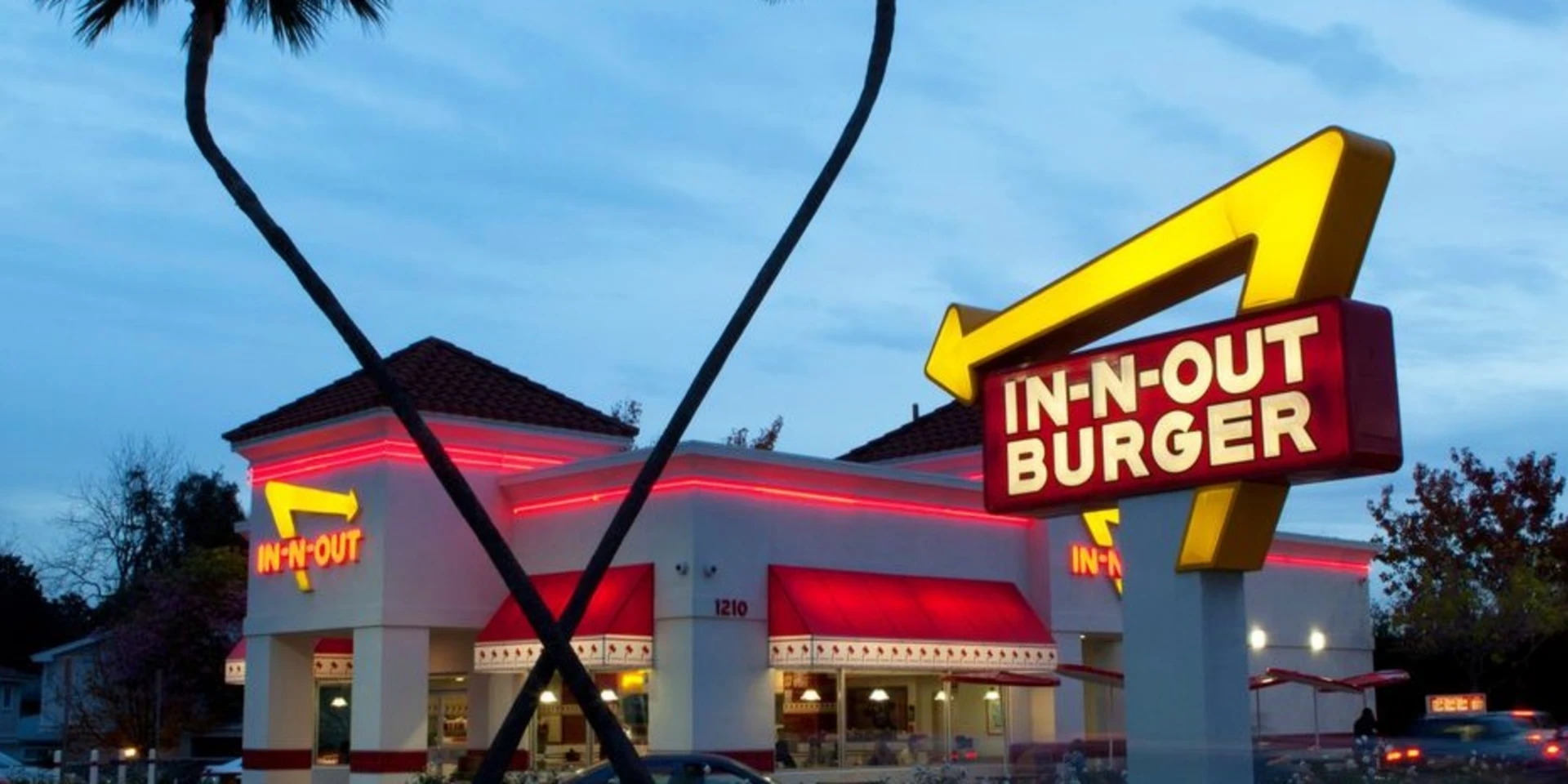
In-N-Out Burger restaurant and neon sign at dusk

In-N-Out Burger

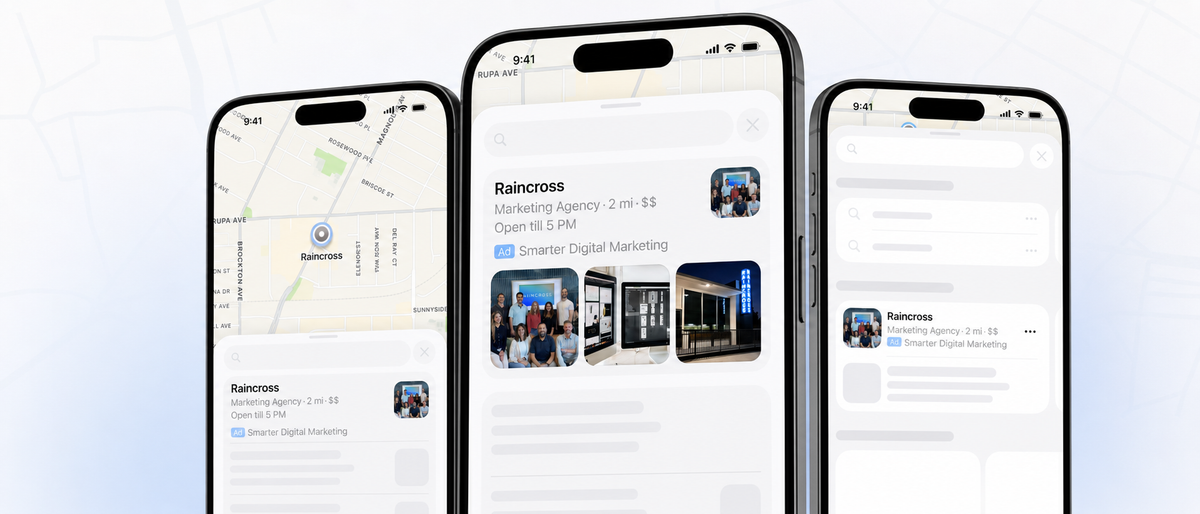
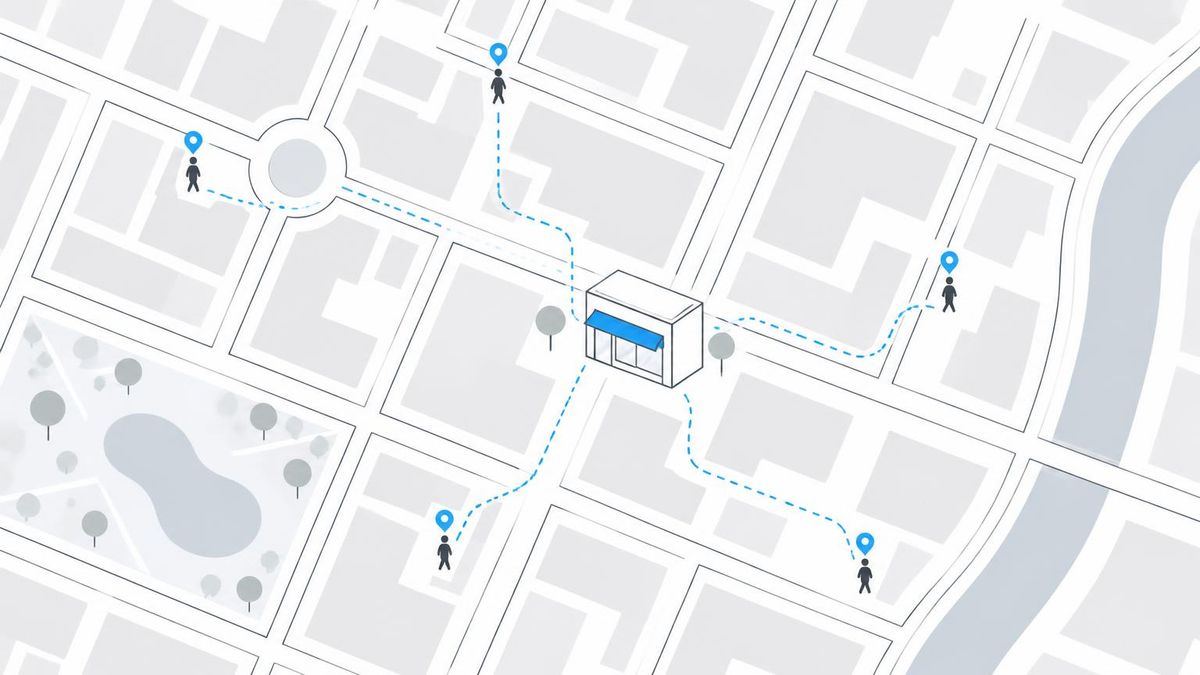
Awareness was never the problem. The opportunity was proximity: making it effortless to find a nearby location at the exact moment of the decision. Most of those searches happened on a phone with immediate intent, someone wanting hours, directions, or the closest restaurant, not information about the brand.

01 Industry

Franchises. Advertising.

02 What we did

Awareness was never the problem. The opportunity was proximity: making it effortless to find a nearby location at the exact moment of the decision. Most of those searches happened on a phone with immediate intent, someone wanting hours, directions, or the closest restaurant, not information about the brand.

0

High-intent local search patterns targeted

Read the full case study
11Selected engagements

Campaigns measured in outcomes, not impressions.

View all case studies
HUB International logo

Insurance is one of the most competitive categories in paid search, and HUB International served industries whose needs had almost nothing in common. A business researching employee benefits needed a different message than one evaluating cyber liability, and the budget had to stay clear of claims, careers, and consumer traffic.

Professional services | Advertising

10

Campaign themes structured by insurance need

Professional services

Advertising

Read full story
HUB International signage on a modern glass office building

HUB International

01 / 02

Paid SearchPaid SocialProgrammatic Media BuyingProgrammatic DisplayProgrammatic VideoProgrammatic AudioGeofencingConnected TVDigital Out-of-HomeMedia Planning & BuyingEmail MarketingPaid SearchPaid SocialProgrammatic Media BuyingProgrammatic DisplayProgrammatic VideoProgrammatic AudioGeofencingConnected TVDigital Out-of-HomeMedia Planning & BuyingEmail Marketing
13Questions

Common questions.

  • Do we have to engage all of our advertising services?

    No. Most engagements begin with one or two services, often paid search or programmatic, and expand as the measurement model proves out. The operating sequence is the same whether we are running one channel or nine.

  • What is the minimum media budget you work with?

    There is no formal floor, but the capability is built for programs where media spend justifies dedicated strategy, creative iteration, and incrementality testing. If a smaller program is a better fit for a single service, we will say so.

  • How do you charge, and do you take a percentage of spend?

    We work on a scope-based fee. We are independent, take no media rebates, and hold no volume commitments with any platform or vendor, so our recommendation on where to spend is not tied to what we earn.

  • Who owns the ad accounts and the data?

    The client does, always. We build inside client-owned accounts, document the setup, and hand over full administrative access at any point on request.

  • How quickly does a new program produce results?

    Search and social typically show directional signal within two to four weeks. Programmatic, connected TV, and out-of-home need a full flight plus a measurement window, usually eight to twelve weeks, before the incrementality read is trustworthy.

  • Can you work alongside our in-house team or another agency?

    Frequently. We are often brought in for the channels a team does not want to staff internally, or for the measurement layer that sits above several vendors.

Begin a conversation

Tell us what the media is supposed to produce

A paragraph is enough to start. We reply within one business day, usually with a few sharp questions about how success is currently measured.

Every advertising engagement begins with a written media point of view, not a pitch deck.