Websites built as marketing infrastructure, not as a project that ends at launch.
Every campaign, every search result, every AI answer, and every sales conversation eventually points at the same place. The site is the only surface you own outright, which makes it the one worth engineering rather than decorating.
Most websites are built as projects. The good ones are built as systems.
Most websites are commissioned as design projects. A team agrees on a look, approves a set of pages, launches, and then watches the thing slowly drift out of date because nobody planned for what happens in year two. The result is an expensive brochure that has to be replaced every three years.
The alternative is to treat the site as infrastructure. Content is structured so it can be reused instead of retyped. Templates are built as a system so new pages cost hours rather than weeks. Performance, accessibility, and measurement are budgets the build has to hold, not tasks deferred to a later phase.
Built that way, the site stops being a cost center. It becomes the place where advertising converts, where search and AI systems learn what the business is, and where the sales team sends people who need proof.
A website is not a project that ends. It is an asset that either compounds or decays, and the difference is whether anyone owns it after launch.
Fig. 01What the website carries
The four layers a modern site runs on, and the surfaces that read from them.
0+
Years designing and building sites for regional and national brands
0+
Websites launched, migrated, or rebuilt
0.0 AA
WCAG level every build is tested against
0
web services run under one architecture
04Why it matters
Why web is a capability, not a project.
The site is where positioning, media, search, and sales all meet. Treating it as a design deliverable rather than a capability is why so many rebuilds solve nothing.
01
It is the shared destination
Every channel you pay for ends at the same page. Improvements to speed, clarity, and conversion are earned once and collected across advertising, search, email, and sales at the same time.
02
Machines read it first
Crawlers, retrievers, and models read the site before a buyer does. Rendering, structure, and markup decide whether machines can describe the business at all, and those are build decisions.
03
Structure is what makes content reusable
Content that is modeled once can be reused across pages, campaigns, feeds, and answers. Content that lives inside a page layout has to be rewritten every time it is needed somewhere else.
04
Ownership is a design decision
Platforms, agencies, and priorities change. A site built on standard tooling with documented systems survives those changes. A bespoke build that only one vendor understands does not.
A website is the only marketing asset you actually own. Everything else is rented.
Fig. 02
The website as infrastructure.
Advertising, search, AI answers, email, and sales all terminate at the website. Whatever it does well multiplies across every channel, and whatever it does badly taxes them all.
Media is rented. The site and its data are owned.
A one second delay is paid for out of every channel at once.
Fig. 02Why the site is the leverage point
05When to invest
When to invest in web.
Web work pays off fastest when the business is clear about what it sells and the current site is in the way. These are the signals that the timing is right.
Invest now when
Traffic is healthy but conversion has been flat for a year
Publishing anything new requires a developer
The site is slow on mobile and the fixes never stick
Positioning has moved and the site still describes the old business
Accessibility risk has been raised internally or by a customer
A merger, rebrand, or platform migration is on the calendar
Start elsewhere when
Positioning is actively being rewritten and will change again this quarter
There is no owner internally to approve content or make decisions
A funding or acquisition event could change the brand within months
If a rebuild is likely within a year, structured content and measurement work should start now, because both survive the platform change.
06Our philosophy
Structure first, then surface. Built to be kept.
Every durable website comes from the same three commitments: content modeled as structure rather than pasted into pages, a design system that stays coherent as the site grows, and engineering that treats speed and accessibility as requirements instead of aspirations. Sites that skip those commitments look finished on launch day and become unmaintainable by the second campaign.
We do not ship page builders nobody can operate, themes that fight the brand, or code another team cannot inherit. The measure of the work is whether the site is still good two years after we hand it over.
07How it works together
How the services work together.
Run in this order, each stage reduces the cost of the next. Run out of order, the build absorbs decisions that should have been made on paper.
Fig. Web operating flow
01
Strategy
Audience and narrative
Information architecture
Measurement plan
→
02
Design
Design system
Page templates
Content model
→
03
Build
Component build
Integrations
Performance budgets
→
04
Launch
Redirect mapping
Accessibility audit
Launch and monitoring
→
05
Operate
Conversion testing
Content expansion
Security and upkeep
08Insights
Thinking from this capability.
Notes on architecture, performance, accessibility, and the economics of building a site that lasts.
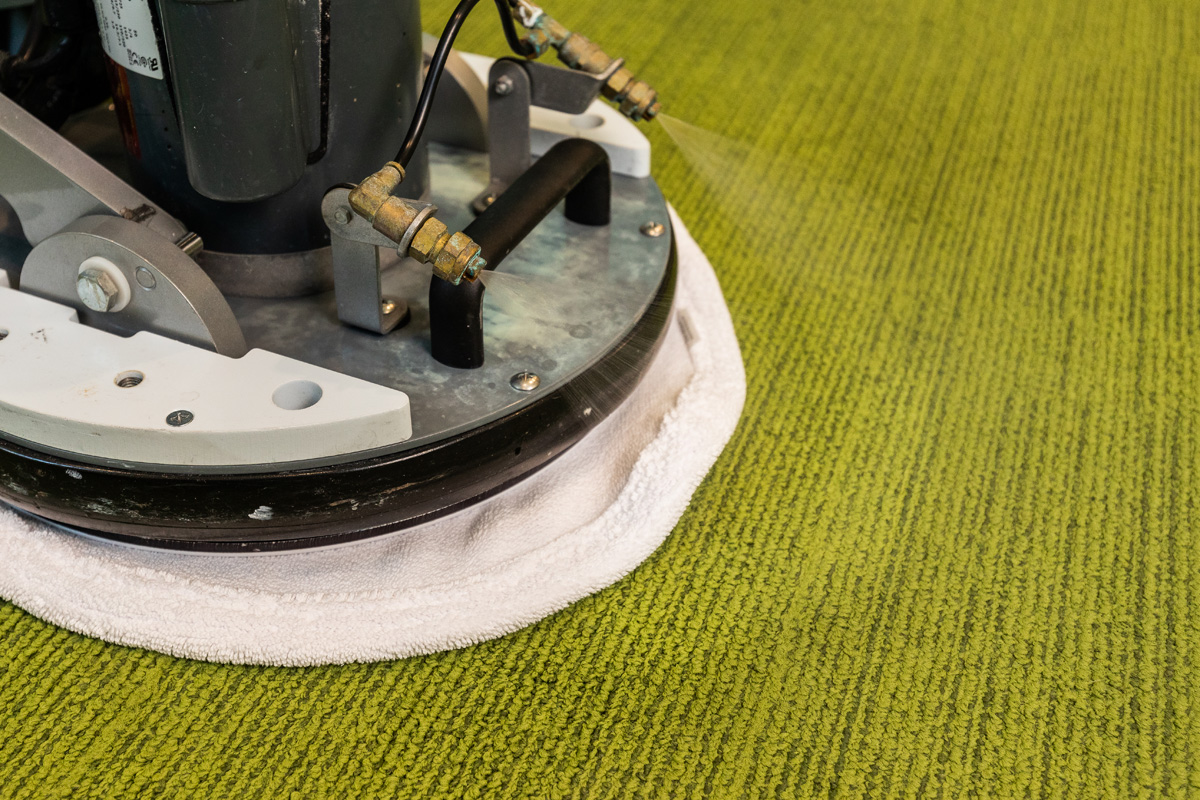
OctoClean needed to grow its franchise network, but its website was not reaching or educating prospective business owners. Candidates had to understand the opportunity, the support behind it, and what set the model apart from other commercial cleaning franchises.
01 Industry
Franchises. Web.
02 What we did
OctoClean needed to grow its franchise network, but its website was not reaching or educating prospective business owners. Candidates had to understand the opportunity, the support behind it, and what set the model apart from other commercial cleaning franchises.
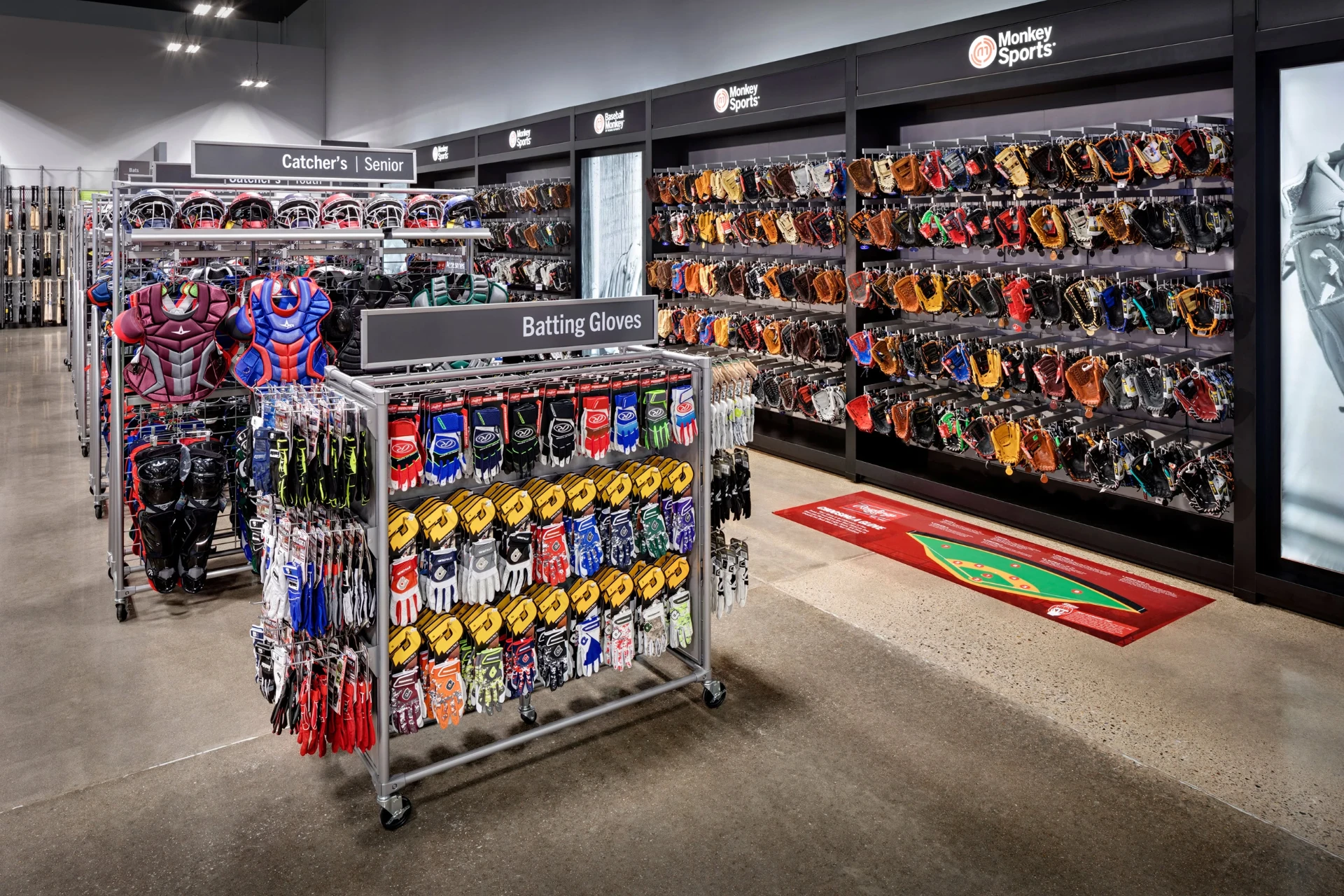
MonkeySports had to serve two businesses at once: a growing network of retail stores and three specialized online shops, each with a deep catalog of its own. The flagship site had to tie the brand together and still send shoppers in store.
A composable stack separates content, application, and delivery so each layer can change without a rebuild. The same structured content then feeds the site, campaign systems, feeds, and machine readers.
Design is one part of it. We treat the website as marketing infrastructure, which means strategy, structured content, engineering, accessibility, and ongoing optimization are planned together rather than handed off between vendors.
Do you build on WordPress?+
We build on the platform that fits the business, and we are candid about the tradeoffs. Most content-heavy marketing sites are better served by a headless CMS with a modern front end, because it separates the content from the presentation and keeps performance predictable as the site grows.
How long does a website project take?+
A focused marketing site typically runs 10 to 16 weeks from strategy to launch. Larger builds with commerce, integrations, or migration of thousands of URLs run longer. We scope in phases so the first useful thing ships before the last one is finished.
What happens to our search visibility during a rebuild?+
Protecting it is part of the build, not a cleanup task afterward. We inventory existing URLs and rankings, map redirects before launch, preserve the content that earns traffic, and monitor crawl and index behavior for the weeks that follow.
Do we own the site when it is done?+
Yes. The code, the content, and the accounts are yours. We prefer standard tooling and documented systems specifically so another team could take over without a rewrite.
Can you improve the site we already have instead of replacing it?+
Often, yes. When the platform is sound, targeted work on speed, accessibility, information architecture, and conversion returns more than a rebuild. We only recommend replacing a site when the current one blocks the outcomes you need.
How do you measure whether the website is working?+
Against business outcomes, not vanity metrics. We agree on the primary conversions before design starts, instrument them properly, and report on qualified actions, assisted revenue, and the speed and accessibility budgets the site has to hold.
Web
Find out what your website is actually costing you.
We audit the current site against speed, accessibility, structure, and conversion, then show you what a rebuild would change and what it would not. If the answer is to improve rather than replace, we will say so.