Make the science understood before it is argued

Raincross helps environmental organizations explain complex work clearly, hold public trust through scrutiny, and reach the agencies and clients that award it.

02Our perspective
Pl. 02 / the environment the decision is made in
Pristine alpine watershed reflecting forested mountains

The technical record rarely reaches the people forming an opinion.

Environmental work is judged in public, not in the report

A remediation, a restoration, a utility upgrade, or a permit application can be technically sound and still fail on communication. Residents hear about a project through rumor, a headline, or a neighbor, and by then the framing is set.

Meanwhile the commercial side runs on credibility. Agencies, municipalities, and industrial clients research firms before and during procurement, and they are looking for evidence of similar projects, qualified staff, and a record they can defend to their own boards.

Our work is to hold both audiences at once. Plain public explanation that does not distort the science, a technical record that stands up to review, media relations that get the facts into circulation early, and visibility so the project's own information outranks speculation about it.


03 / What matters

Four conditions of environmental credibility

  1. 01

    Accuracy

    Nothing survives contact with a skeptical public if the underlying claim is loose. Clarity cannot come at the cost of precision.

  2. 02

    Timing

    The first credible explanation usually becomes the accepted one. Publishing early is a strategy, not a courtesy.

  3. 03

    Scrutiny

    Regulators, reporters, and organized opposition all read the same material. It has to be written for people looking for a flaw.

  4. 04

    Procurement

    Selection panels research quietly. Published project evidence and staff expertise reduce the risk of choosing you.

04Audiences

Four audiences, one public record

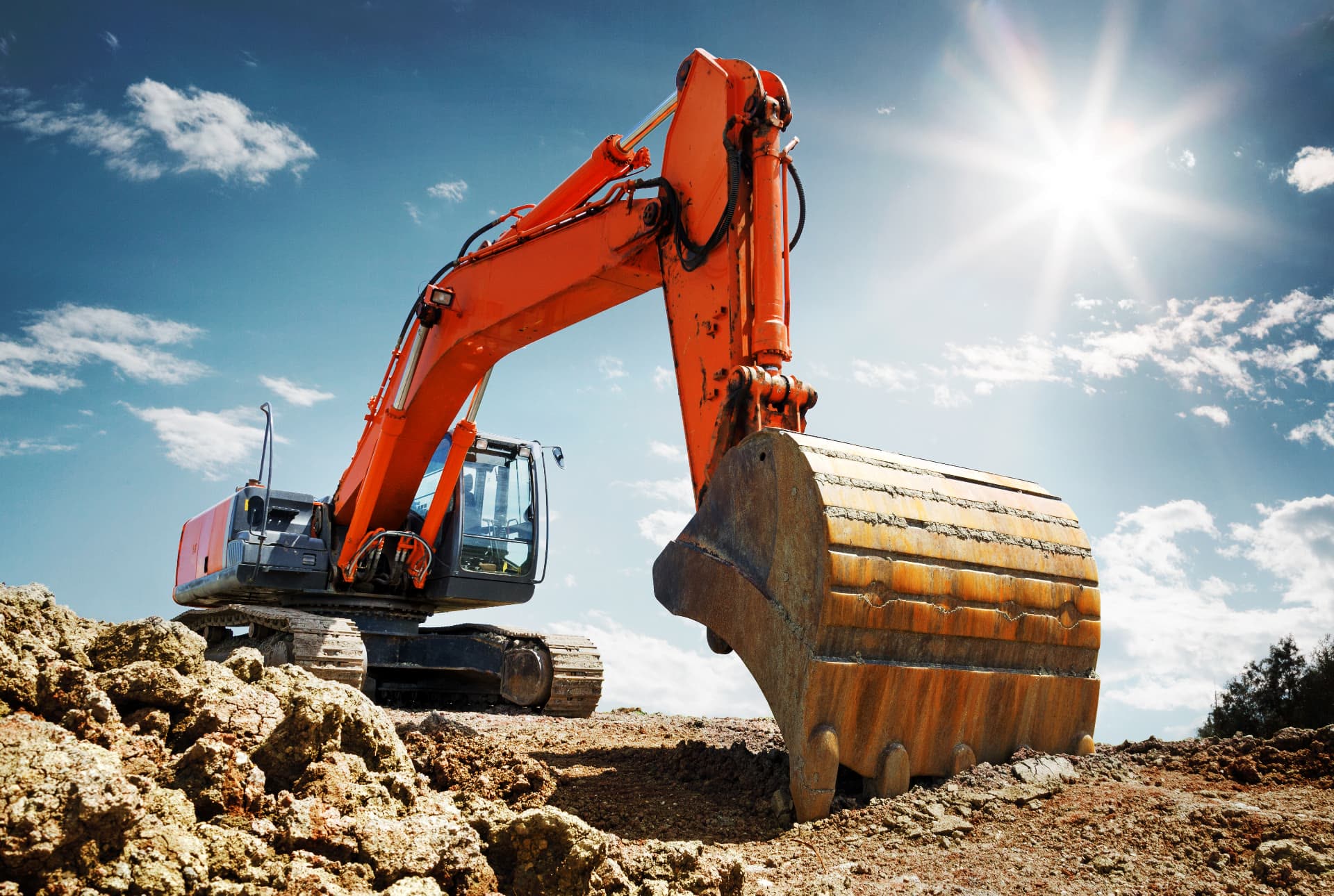
Excavator working a graded site under bright sun during an environmental remediation project
01Agency and municipal clients
Accountable to boards and constituents. They need a firm that will not create a public problem.
02Industrial and private clients
Working under compliance pressure and deadlines, judging technical depth and discretion.
03Residents and community groups
Living next to the project. They ask what is happening, whether it is safe, and how long it lasts.
04Regulators and reporters
Reading the record closely and quoting whatever is clearest and most available.
05Related services

The work environmental organizations usually need.

06Selected engagements
Regenesis logo

Regenesis had genuine technical authority in bioremediation, but that authority was hard to find. Search visibility trailed the company's standing in the industry, and the traffic that did arrive rarely turned into a request, a download, or a conversation.

Environmental | Visibility

3,759%

Increase in website goal completions

Environmental

Visibility

Read full story
Groundwater monitoring wellheads and injection lines at a remediation site

Regenesis

07Questions

Questions we are asked about environmental communications.

  • Who are we communicating with on environmental work?

    Usually several groups at once. Agency and municipal clients, industrial clients under compliance pressure, residents affected by a project, and the regulators and reporters watching it.

  • Why does communications matter so much in this market?

    Because environmental work is judged on credibility. Data alone rarely settles a dispute. Clear explanation, visible process, and consistent public information determine whether a project is trusted or fought.

  • How do you make technical work understandable without oversimplifying it?

    By separating audiences. Regulators and clients get the full technical record. The public gets plain explanation of what is happening, why, and what changes for them. Both should come from the same source of truth.

  • Does this help with public agency procurement?

    Indirectly and significantly. Selection panels research firms before and during a solicitation. Published project evidence, staff expertise, and a credible site make a firm feel like a lower-risk choice.

  • What can be done when a project meets organized opposition?

    Prepare before it starts. Publish the facts early, keep one clear public record, respond quickly and factually, and give supporters something accurate to point to. Silence is read as concealment.

  • How should this be measured?

    By qualified opportunities, share of accurate coverage, sentiment in public comment, and whether the project's own information ranks above speculation about it.

Start here

Tell us what has to be understood, and by whom

Send us the project, the audiences watching it, and the outcome you need. We will come back with a view of what it would take.

Or call (800) 505-7570