Reach New Orleans Audiences Without Screens
Connect with consumers through digital audio channels during moments when visual media cannot engage them.
We Serve New Orleans Clients
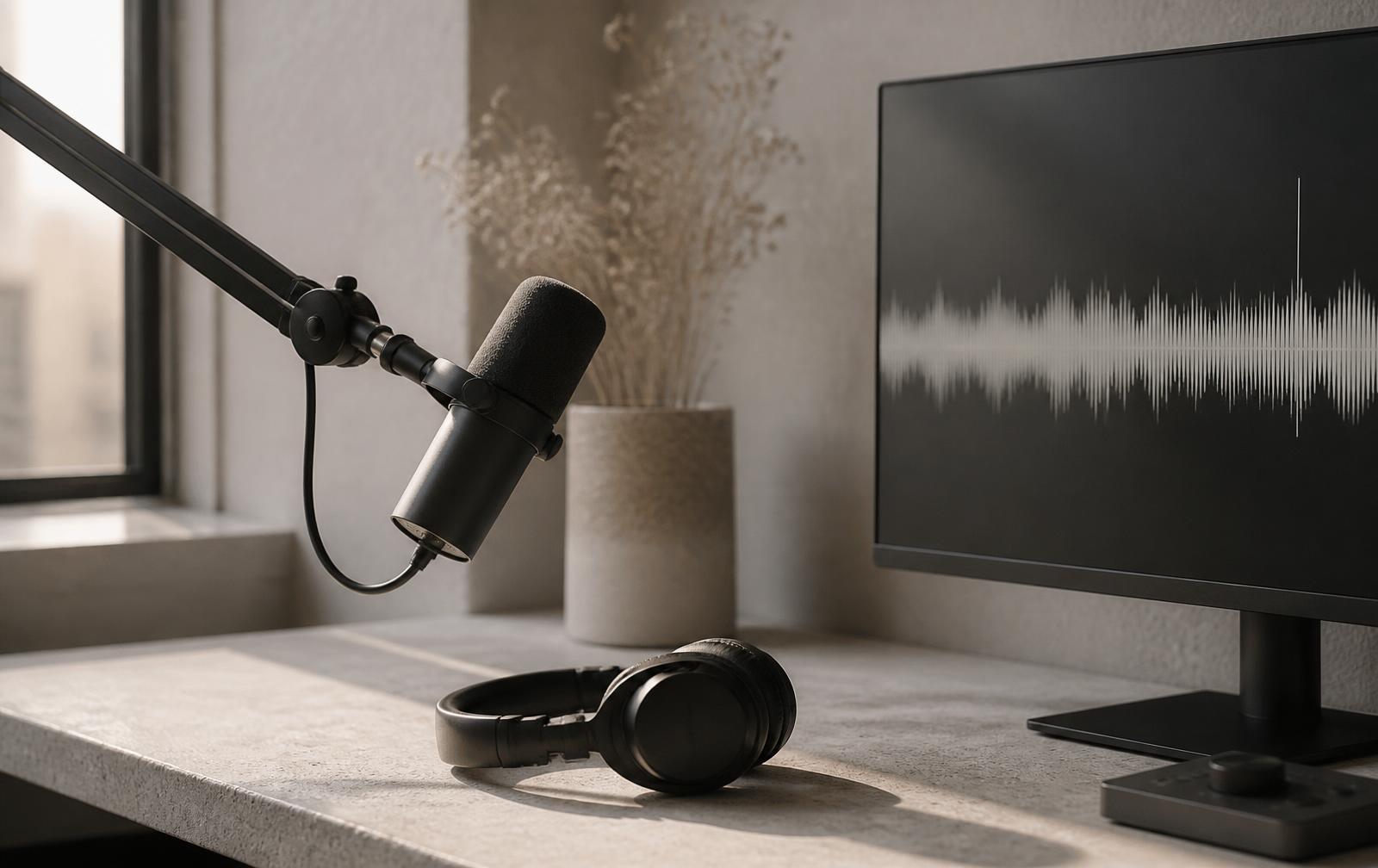
Audio Fills Engagement Gaps
Programmatic audio advertising leverages digital radio, streaming content, and podcasts, delivering brand messages through the same audience infrastructure used for display and video. This approach allows advertisers to reach listeners during activities where screens are impractical, such as commuting, exercising, or daily chores. It ensures brand visibility during the diverse rhythms of daily life in New Orleans, extending reach beyond traditional visual platforms.
Targeting in programmatic audio campaigns involves identifying specific listener segments and interests within the New Orleans market. This precision allows for the delivery of relevant messages directly to engaged individuals. By integrating naturally into their preferred audio content, including music streams and podcasts, campaigns cultivate a stronger connection and lead to more impactful brand recall among the city's diverse population.
Raincross applies a national framework for programmatic audio, tailoring delivery to local audiences. This involves careful planning to align advertising with content consumed by New Orleans listeners, ensuring messages resonate with local interests and daily routines. The process includes continuous monitoring and optimization, adapting campaigns based on engagement metrics to maximize effectiveness across various digital audio channels.

02 / How the work runs
How the work runs here
- 01
Diverse Audio Inventory
Access podcast, streaming, and digital radio platforms to broaden your brand's reach.
- 02
Audience-First Targeting
Utilize audience data to connect with specific demographics and interests in New Orleans.
- 03
Non-Visual Engagement
Reach consumers during moments when screens are impractical, ensuring messages are heard.
- 04
Integrated Campaign Management
Benefit from a unified approach that aligns audio with existing display and video strategies.
Fig. 01
How programmatic audio runs for New Orleans organizations
The people behind this work.
A selection of the specialists who lead and shape this work, supported by a broader multidisciplinary team.

Related thinking.
- article
Are Hashtags Dead? Why Social Media Strategies Need to Evolve
For years, hashtags were a cornerstone of social media marketing. Brands, influencers, and businesses alike relied on them to categorize content, increase visibility, and drive engagement. - article

What Are The Best Days & Times To Post on Social Media? (Updated 2020)
As the Coronavirus (COVID-19) continues to change the daily lives of Americans, we are all spending more time on social media. - article
Facebook Has User Information On 98 Categories. Here they are.
The Washington Post reported in 2016, that Facebook uses 96 data points to target ads at at consumers, it's actually 98. It's true that Facebook is able to target advertising with pinpoint accuracy.
Questions we are asked about this.
How does programmatic audio reach audiences in New Orleans?
Programmatic audio targets listeners through digital radio, streaming services, and podcasts. It allows brands to connect with people during their daily routines, like commutes or chores, when they are less engaged with screens.
What kind of local content can my ads appear with?
Your ads can run alongside a range of digital audio content preferred by New Orleans listeners. This includes various music genres and podcasts that align with local interests, ensuring relevant placement.
Can programmatic audio complement my other digital marketing efforts?
Yes, programmatic audio integrates with your existing digital strategies, using the same audience infrastructure as display and video campaigns. This provides a consistent approach to reaching your target audience across multiple channels.
Start a conversation
Let's talk about programmatic audio in New Orleans
Tell us where you are and what you need to move. We will tell you what we would do first.