
Franchises / Advertising
Hungry people, one block away
The challenge
A new restaurant location has no habit built around it. The people most likely to walk in live, work, and shop within a few miles, but they will not find a new opening on their own. Slater's 50/50 needed local awareness fast, and it needed proof that the awareness turned into visits rather than a number on a media report.
- Market
- Franchises
- Capability
- Advertising
- Client
- Slater's 50/50
The outcome
0
Campaign ad impressions
Result
0
Campaign ad clicks
Result
0
Campaign conversions
What we did
The campaign started with geography. Geofences were drawn around shopping centers, entertainment districts, and other points of interest where the target guest already spends time near each new restaurant. Anyone inside those boundaries became addressable, which turned proximity into a targeting signal rather than a guess.
Programmatic display carried the same creative across sites and apps throughout the surrounding market. That widened the campaign beyond the fenced moments and kept Slater's 50/50 in view while people planned meals, weekends, and group outings.
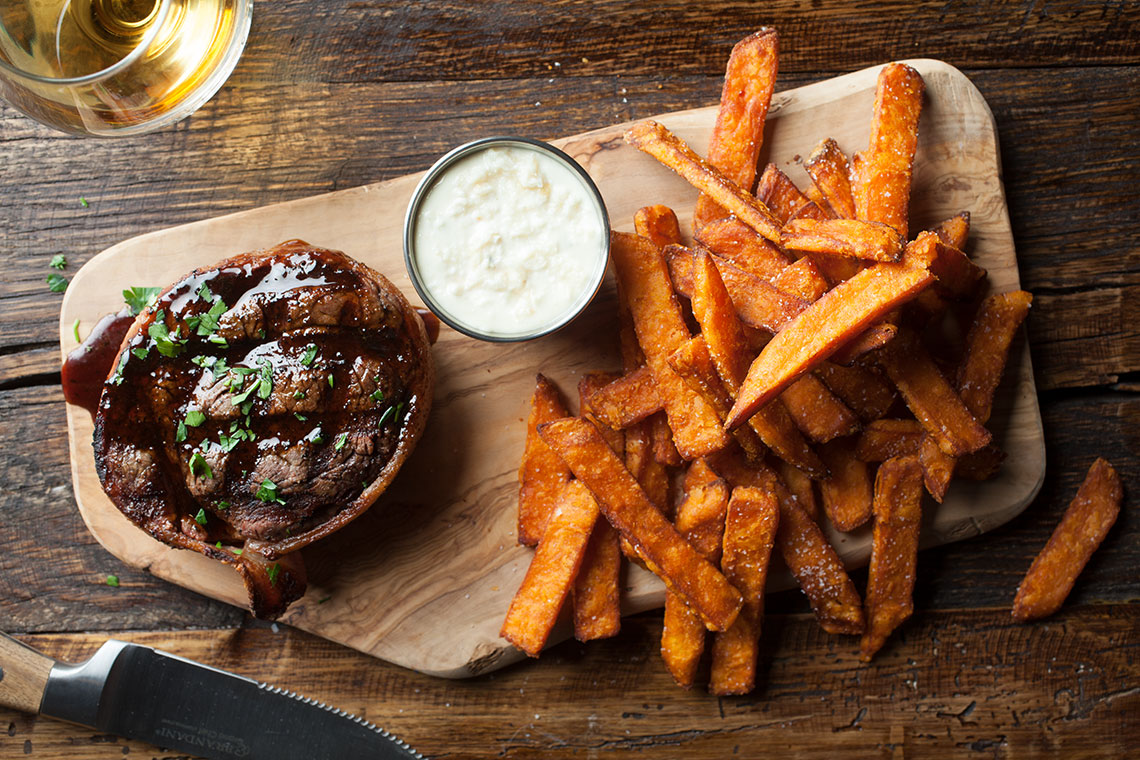
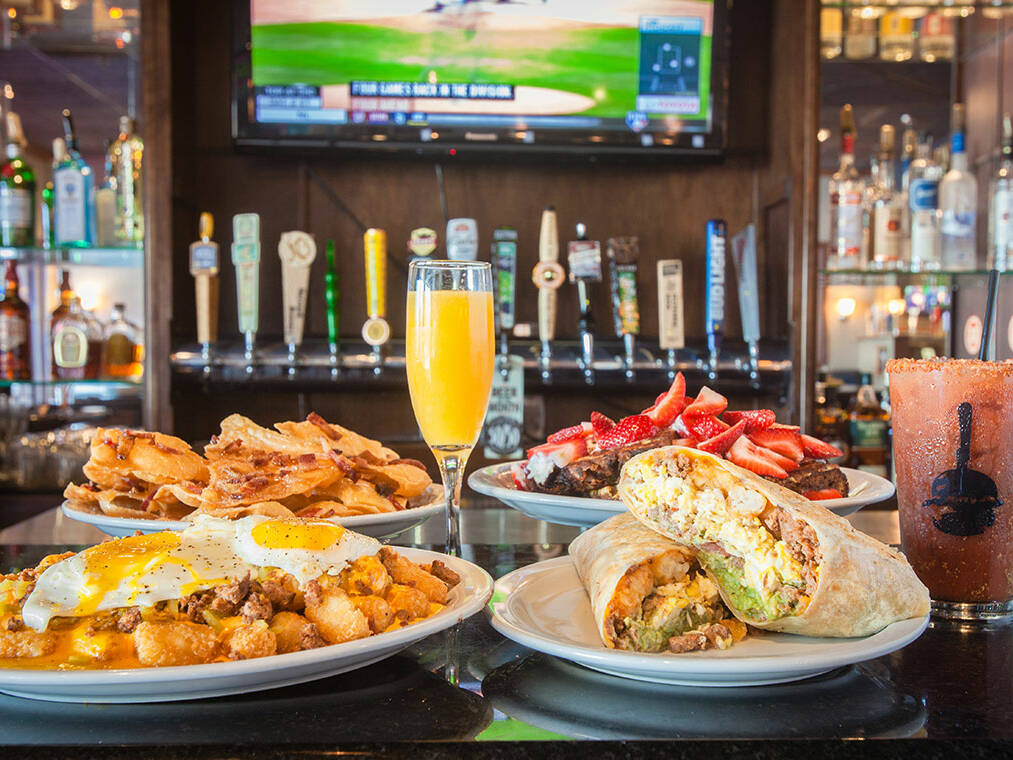
Creative leaned on the food itself, the reason the brand is known. Reporting stayed on impressions, clicks, and conversions, where conversions counted location page visits, reservation inquiries, and direction requests, the actions that precede a table being filled.
A new location is a harder advertising problem than an established one because there is no habit to interrupt. Nobody is already deciding between this restaurant and another, so the campaign has to create the consideration first and then be present again when the decision actually gets made.
Geofencing handled the first half of that and programmatic display handled the second. The fences reached people who were physically close enough to act that day, and the display buy kept the brand in view across the surrounding market during the days in between, when meals and weekends are being planned rather than chosen.
The results held up against both jobs. From 712,302 impressions the campaign produced 5,850 clicks and 591 conversions, a conversion rate above ten percent of everyone who clicked. For a location with no existing local audience, that ratio says the geography was drawn correctly.
Proximity became a targeting signal rather than a guess.
Draw the boundary, then earn the visit
Geofences were placed around high-traffic areas and points of interest near each new location, so the message reached people who were already close enough to act on it. Programmatic display extended the same creative across the wider local web, keeping the brand present between those moments.
Pairing a tight geographic signal with broader programmatic reach gave the campaign both precision and frequency, which is the combination a new location needs in its first months.
Services
Markets
Let's fill your next opening
Tell us where you are opening and who you need through the door. We will tell you which boundaries we would draw first.