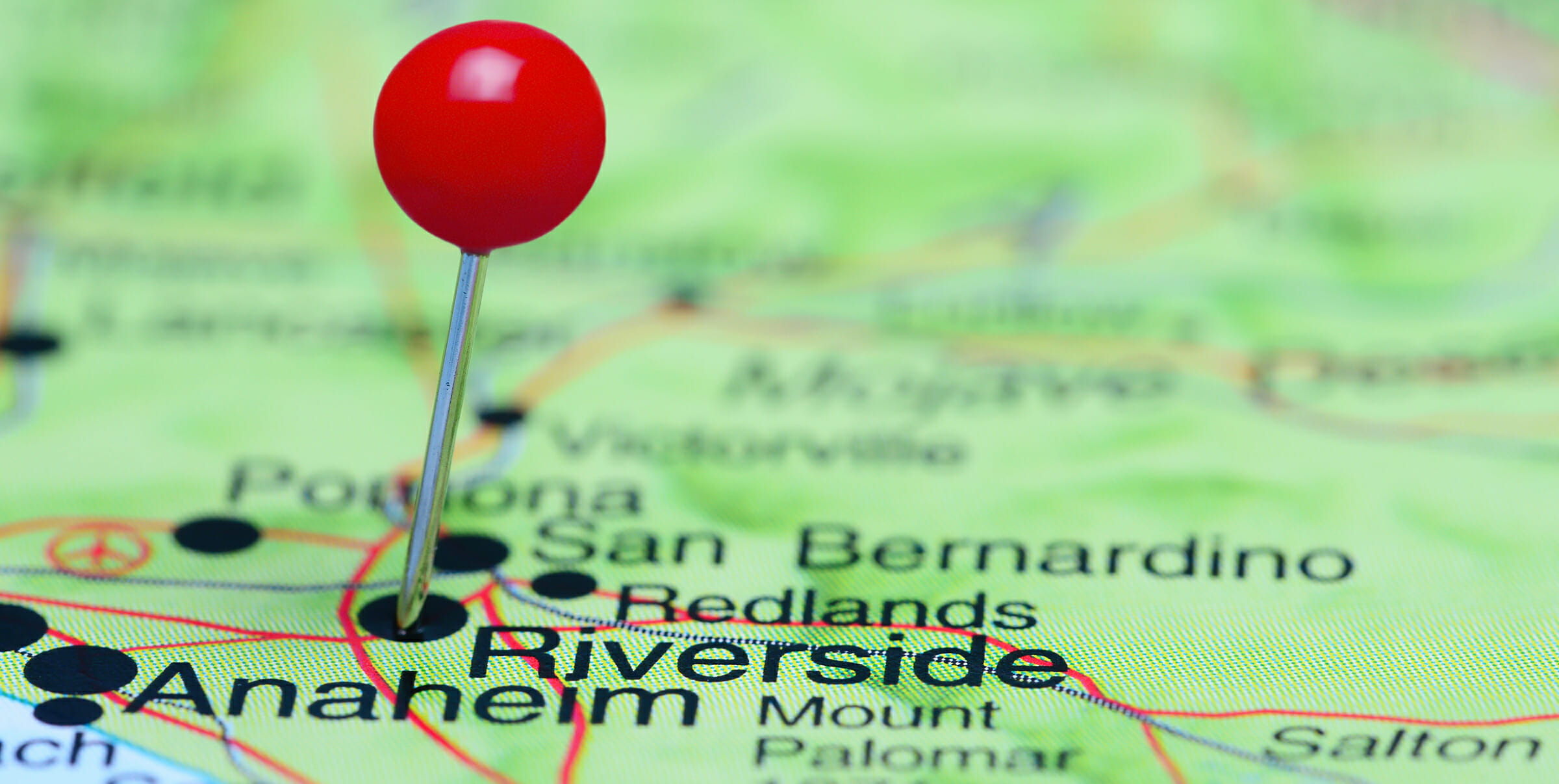
Geofencing uses real-world activity to define specific audiences. By drawing virtual boundaries around key areas, ads can be delivered to individuals who have recently visited or are currently within those defined zones. This approach connects with intent demonstrated through physical presence, allowing businesses to engage with people when their interest is most immediate. We identify these relevant locations and then build audience segments from that real-world movement.
This method solves the challenge of reaching consumers who have demonstrated an interest in related activities or products simply by being in a particular place. For a business in Tucson, this could mean targeting individuals who frequent specific commercial districts, academic institutions, or cultural venues. The goal is to serve relevant messaging to those who are already indicating a propensity to engage with specific local offerings, turning foot traffic into customer engagement.
Our process begins by mapping out areas where physical presence genuinely predicts customer intent. We then implement the geofences and monitor audience activity within those perimeters. The performance of these location-defined audiences is tracked, allowing us to measure visits and revenue attributed to the campaigns. This data-driven approach ensures that advertising efforts are continuously refined to improve the connection between location and conversion.
Understanding that physical places predict purchasing intent allows for precise marketing efforts. For example, the University of Arizona campus attracts a distinct demographic, while the city's robust culinary scene draws another. By targeting these specific geographic and behavioral signals, businesses can engage with people who have already shown a relevant interest, making advertising more timely and effective for both residents and visitors in Tucson.