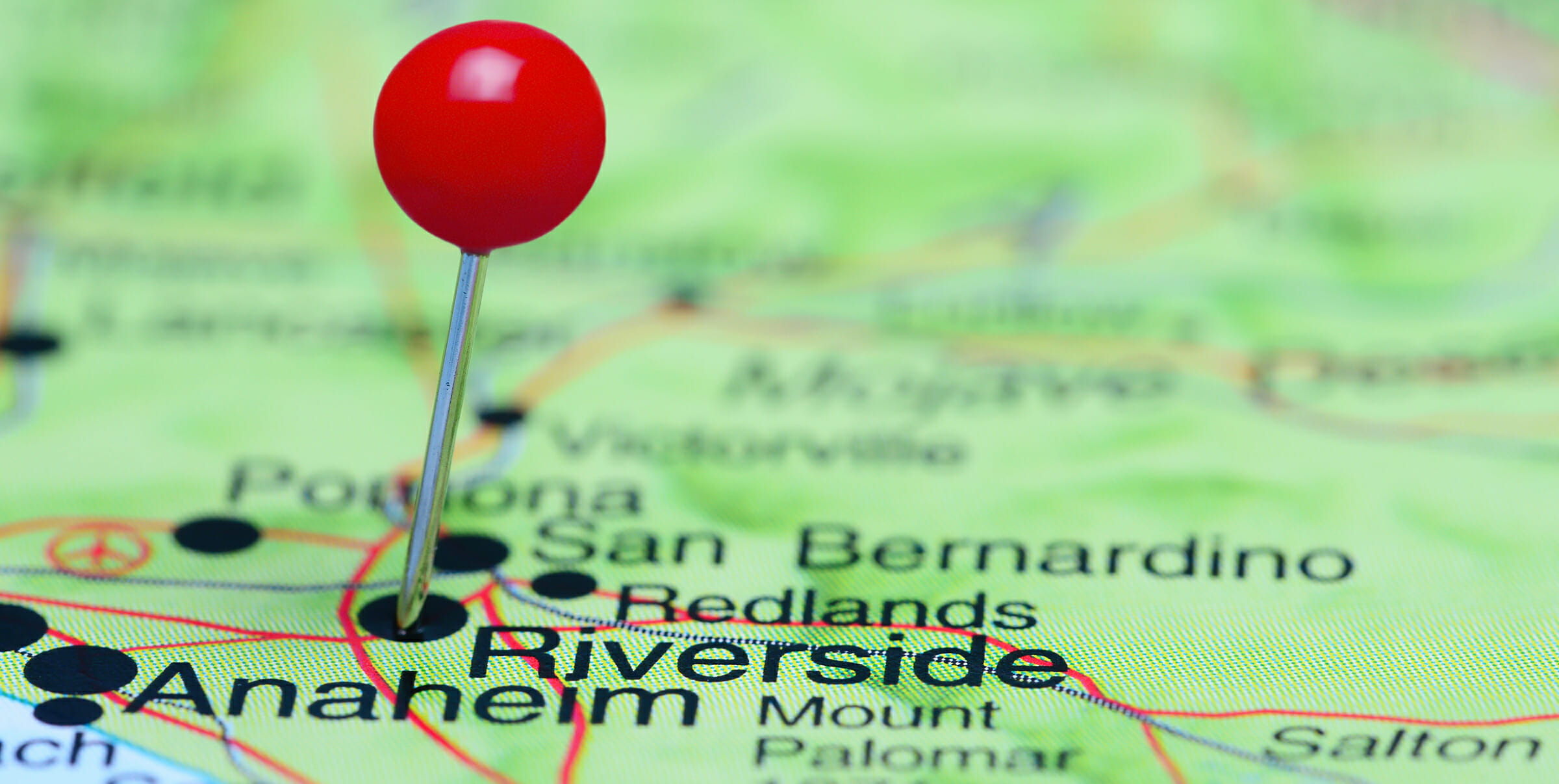
Geofencing builds defined audience segments by mapping physical locations where specific behaviors or interests are likely to occur. This method captures individuals who have recently visited, or are currently in, certain geographic areas. For businesses in Coachella, this allows for advertising to be shown to people who have demonstrated intent through their real-world movement. It connects digital outreach with tangible, physical activity, aligning marketing efforts with customer journey stages.
Understanding the physical environment of Coachella helps identify key locations for audience definition. Raincross develops custom geofences around places that indicate a strong potential for customer engagement, such as venues or accommodation areas. This approach ensures advertising reach is concentrated on individuals who are physically positioned to respond to an offer, rather than broad, less targeted campaigns. The objective is to identify and engage those most likely to convert based on their proximity or past visits.
Measuring the effectiveness of geofencing involves tracking both digital engagement and physical visits. Raincross sets up systems to monitor how geofenced ads lead to website traffic, and, crucially, to visits to a business location. This allows for a clear understanding of campaign performance from initial exposure to real-world outcomes. Performance data guides ongoing optimizations, ensuring that ad spend consistently targets the most productive areas and audience segments in Coachella.