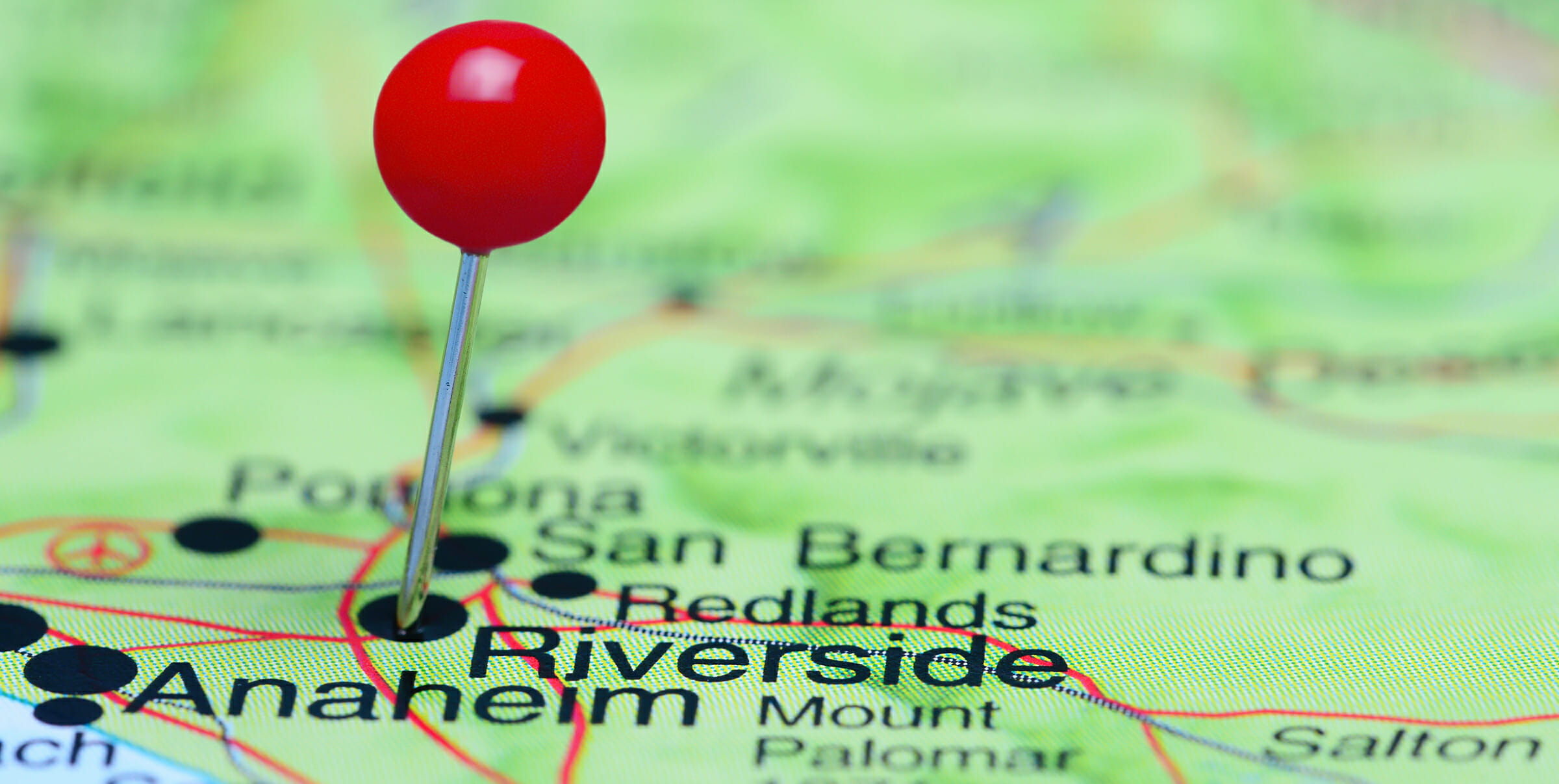
Geofencing uses virtual boundaries around specific locations to identify and engage audiences based on their physical behavior. This approach is rooted in understanding that where individuals go in the real world often indicates their current interests or needs. Rather than relying on broad demographics, Raincross defines target audiences by their actual visits to relevant sites, such as the Long Beach Convention Center, retail areas, or various attractions. This strategy ensures messages reach individuals who have demonstrated a specific intent through their physical presence.
The process begins by defining precise digital perimeters around key Long Beach locations. We then monitor real-world foot traffic within these areas, identifying individuals who enter or pass through. Once these audiences are established based on their physical signals, targeted advertising messages can be delivered, whether they are still within the geofenced area or have moved on. This method allows businesses to communicate directly with people when their intent is likely highest, or to re-engage them later based on past activity.
Raincross measures the effectiveness of these campaigns by tracking subsequent physical visits to a client's location or other relevant conversions. This direct measurement links advertising exposure to real-world outcomes, providing clear insights into campaign performance. By focusing on location-defined audiences built from observed physical behavior, we help businesses in Long Beach transform transient interest into measurable engagement and action, moving beyond generalized targeting to precision communication.