Turn St. Petersburg foot traffic into an addressable audience

Connect with St. Petersburg audiences based on their physical presence and observed activities.

01Market context
Pl. 02 / the environment the decision is made in
Geofencing work for St. Petersburg organizations

Location Predicts Intent

Geofencing uses defined physical boundaries to understand real-world behavior. This strategy identifies specific areas where potential customers are active, allowing for direct engagement when their intent is clear. For businesses operating in St. Petersburg, understanding these local movement patterns is key. Pinpointing locations like event venues, popular attractions, or commercial districts allows businesses to craft highly relevant messages delivered at opportune moments, influencing immediate decisions.

Businesses in St. Petersburg can leverage geofencing to address the challenge of reaching audiences precisely where their needs align with an offering. This approach defines virtual perimeters around places like the Salvador Dalí Museum or the St. Pete Pier, creating audiences based on actual visits. Instead of broad outreach, this method focuses marketing efforts on individuals whose physical presence suggests a specific interest or an immediate requirement for a product or service.

Raincross develops geofencing strategies by first identifying St. Petersburg's high-value locations. We define custom perimeters around competitor sites, relevant points of interest, or areas known for high foot traffic. This precision allows businesses to deliver timely offers or information directly to individuals present in these contextually relevant zones. The effectiveness of these campaigns is then measured by tracking visits and revenue generation, providing clear insights into performance.
02 / How the work runs

How the work runs here

  1. 01

    Define Behavioral Zones

    We establish virtual boundaries around locations where specific customer behaviors are observed, such as major attractions or retail areas.

  2. 02

    Audience Creation

    Audiences are built from individuals who have physically entered these defined zones, indicating a clear interest or need.

  3. 03

    Timely Message Delivery

    Relevant messages are delivered to these segmented audiences when they are most receptive, based on their current physical context.

  4. 04

    Performance Measurement

    Campaign success is quantified by tracking real-world visits and revenue generated, linking digital efforts to physical outcomes.

Fig. 01

How geofencing runs for St. Petersburg organizations

03The experts behind the work

The people behind this work.

A selection of the specialists who lead and shape this work, supported by a broader multidisciplinary team.

04Selected engagements
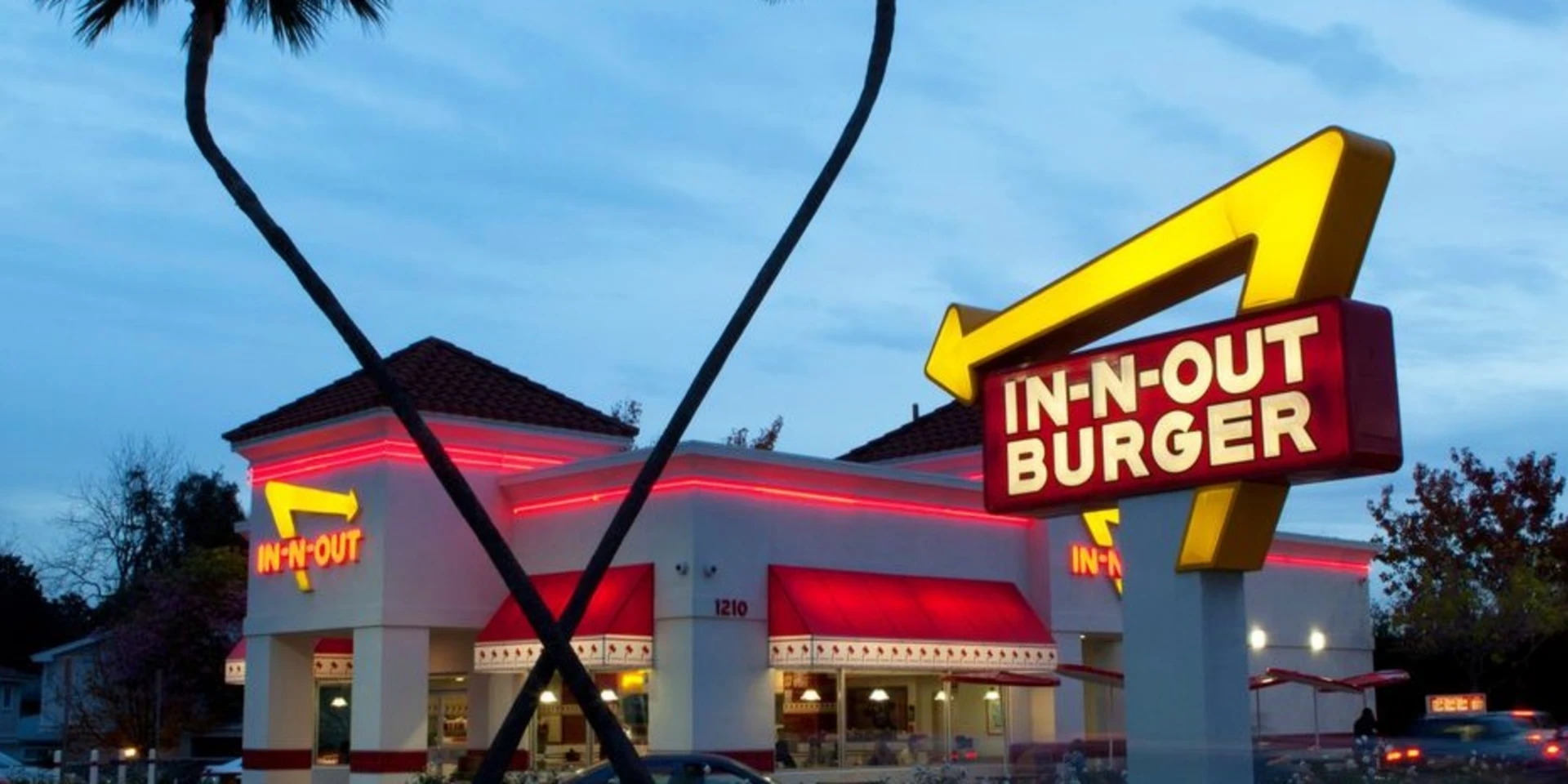
In-N-Out Burger logo

Awareness was never the problem. The opportunity was proximity: making it effortless to find a nearby location at the exact moment of the decision. Most of those searches happened on a phone with immediate intent, someone wanting hours, directions, or the closest restaurant, not information about the brand.

Franchises | Advertising

7

High-intent local search patterns targeted

Franchises

Advertising

Read full story
In-N-Out Burger restaurant and neon sign at dusk

In-N-Out Burger

01 / 02

06Questions

Questions we are asked about this.

  • How does geofencing help businesses in St. Petersburg attract local customers?

    Geofencing targets potential customers based on their physical presence in specific St. Petersburg locations. This allows businesses to send relevant messages to people who are already nearby or showing interest in certain activities, driving them to visit or engage.

  • Can geofencing distinguish between tourists and St. Petersburg residents?

    While geofencing focuses on physical location, campaign strategies can be designed to infer intent. For example, targeting areas frequently visited by tourists, like the St. Pete Pier, helps reach visitors, while targeting specific commercial zones might appeal more to local residents.

  • What kind of data is used for geofencing campaigns?

    Geofencing relies on location data from mobile devices to identify when users enter or exit defined geographic areas. This data informs the creation of audiences and the timing of message delivery, ensuring relevance based on real-world movement.

Start a conversation

Let's talk about geofencing in St. Petersburg

Tell us where you are and what you need to move. We will tell you what we would do first.