Introduce Your Brand Beyond St. Louis Search

Connect with St. Louis consumers before they start searching, building recognition and influencing future engagement.

01Market context
Pl. 02 / the environment the decision is made in
Programmatic Display work for St. Louis organizations

Proactive St. Louis Visibility

Programmatic display broadens your reach by placing visual advertisements across various websites and applications, ensuring your brand messages are seen by relevant audiences. This method targets individuals based on their digital behaviors and content consumption, even when they are not actively looking for your specific products or services. It uses automated systems to purchase ad space in real time, focusing on audience attributes, content relevance, and the quality of the ad placement.

For businesses in St. Louis, programmatic display addresses the challenge of reaching potential customers who are not yet expressing direct purchase intent through search engines. This approach is essential for cultivating awareness and generating demand within a diverse urban population, influencing their perceptions and preferences over time. It allows organizations to engage with the St. Louis market proactively, rather than solely reacting to existing search queries, fostering a broader connection with the community.

Our approach involves a data-driven strategy to identify and segment the most receptive audiences within St. Louis for your offerings. We then deploy campaigns that optimize for real-time engagement and visibility across a vast digital network. Success is measured by consistent brand exposure, audience interaction metrics, and the progressive build-up of consumer recognition, ensuring your brand resonates throughout the city.
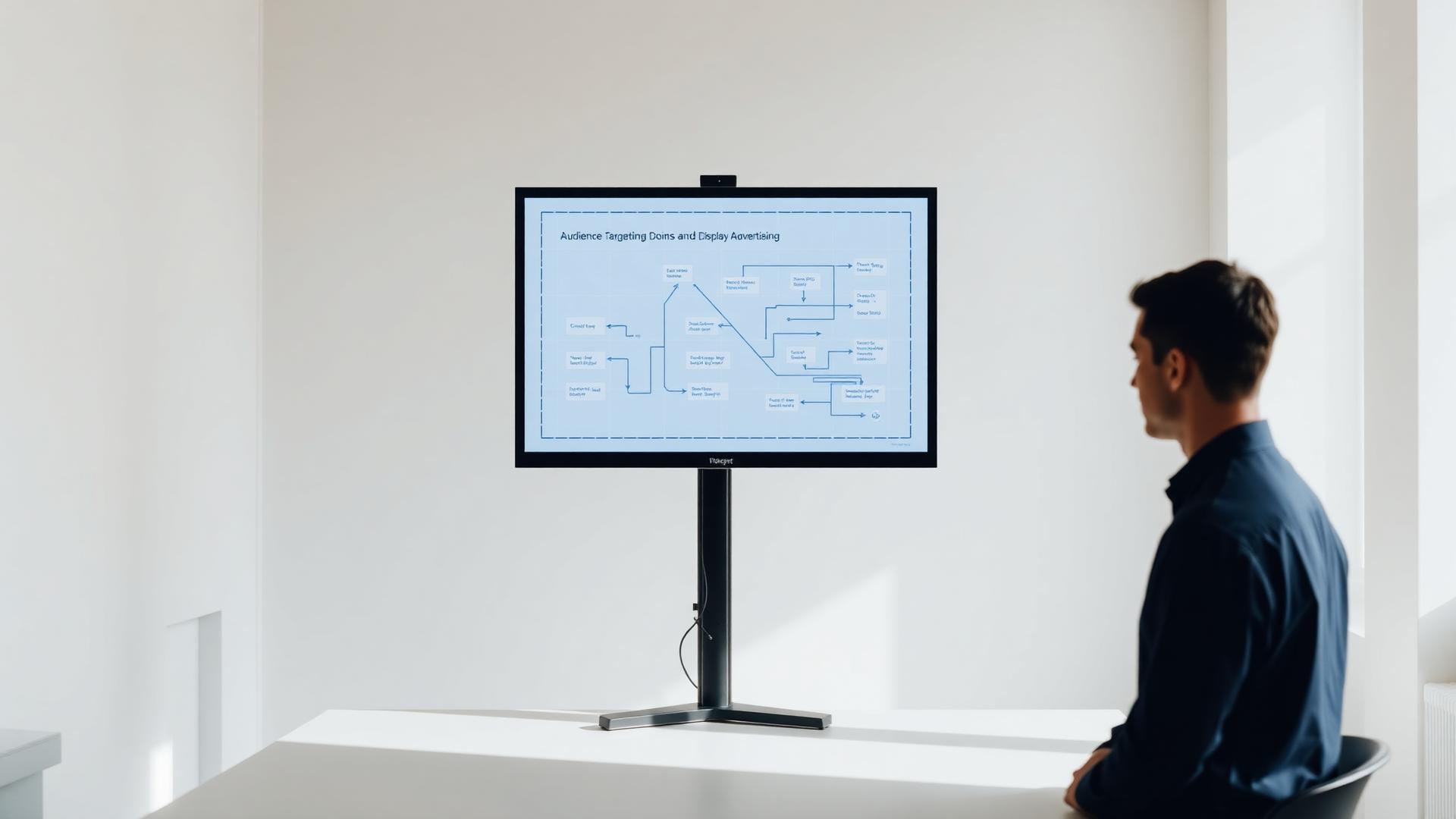
02 / How the work runs

How the work runs here

  1. 01

    Audience Intelligence

    We analyze digital behaviors and content consumption to identify key segments of the St. Louis market. This informs precise targeting for your display campaigns.

  2. 02

    Real-Time Ad Placement

    Automated systems purchase ad inventory instantly, placing your visuals where they will be seen by the most relevant users. This ensures efficient use of your advertising budget.

  3. 03

    Contextual Alignment

    Advertisements are placed within content environments that align with your brand's message and audience interests. This improves ad relevance and reception.

  4. 04

    Continuous Optimization

    Campaign performance is monitored and refined in real time based on engagement data. This maximizes visibility and impact across digital platforms.

Fig. 01

How programmatic display runs for St. Louis organizations

03The experts behind the work

The people behind this work.

A selection of the specialists who lead and shape this work, supported by a broader multidisciplinary team.

04Selected engagements
City of Corona Police Department logo

Police recruitment competes with every other employer for the same small pool of people who are willing and eligible to serve. Job boards reach candidates who are already looking. The department needed to reach the ones who were not, hold their attention long enough to consider the badge, and do it inside a two-month window with open positions waiting to be filled.

Government & Public Sector | Advertising

2.7M

Ad impressions in two months

Government & Public Sector

Advertising

Read full story
Two Corona police officers seated on the tailgate of a department truck

City of Corona Police Department

01 / 02

06Questions

Questions we are asked about this.

  • How does this differ from traditional online advertising?

    This method relies on automated systems and data to target specific audience segments in real time, rather than buying fixed ad placements. It provides greater precision in reaching the intended viewers.

  • Can this help my St. Louis business reach new customers?

    Yes, it specifically targets consumers who have not yet searched for your services, building brand familiarity. This expands your potential customer base beyond those already aware of their need.

  • What kind of data is used for targeting?

    Audience data, contextual information about web pages, and historical performance are used to optimize ad placement. This ensures your message reaches the most receptive individuals.

Start a conversation

Let's talk about programmatic display in St. Louis

Tell us where you are and what you need to move. We will tell you what we would do first.