Location-defined audiences built from Norman behavior

Connect with specific audiences in Norman by understanding their real-world behaviors and delivering messages at opportune moments.

01Market context
Pl. 02 / the environment the decision is made in
Geofencing work for Norman organizations

Relevance in Motion

Geofencing defines virtual boundaries around specific physical locations. This strategy allows organizations to identify audiences based on where they spend time, rather than relying solely on online search or demographic data. For businesses in Norman, this means the ability to engage with individuals who are physically present at relevant sites, capturing their attention when their intent is most immediate. This approach links digital outreach directly to real-world activity, solving the problem of reaching people when their physical location signals clear interest.

The process begins by mapping out key areas where your target audience congregates or passes through. These could include the University of Oklahoma campus, downtown districts, or retail centers in Norman. Once these virtual perimeters are established, relevant messages are delivered to devices within those zones. Raincross approaches this discipline by focusing on defining precise boundaries and then measuring how those engagements translate into actual visits or other desired outcomes, providing clear insights into campaign effectiveness and the specific problem solved.

Effective geofencing leverages an understanding of local patterns and activities. By focusing on physical places that genuinely predict user intent, organizations can refine their messaging to be highly relevant. We help organizations create these location-defined audiences, developing campaigns that resonate with individuals in specific Norman locations. This allows for precision in reaching students, residents, and visitors with timely information or promotions, directly driving actions aligned with their physical presence and observed behavior.
02 / How the work runs

How the work runs here

  1. 01

    Audience Definition

    We identify specific physical locations that indicate an audience's intent or interest. Virtual boundaries are then drawn around these areas to create targeted segments.

  2. 02

    Contextual Messaging

    Deliver marketing messages that are highly relevant to an individual's current physical location. This ensures promotions and information align with immediate context.

  3. 03

    Engagement Measurement

    Track how many individuals exposed to a geofenced message then visit a designated physical location. This provides clear data on campaign performance and return.

  4. 04

    Strategic Location Focus

    We work to pinpoint locations where physical presence strongly correlates with audience intent. This maximizes the relevance and impact of each message deployed.

Fig. 01

How geofencing runs for Norman organizations

03The experts behind the work

The people behind this work.

A selection of the specialists who lead and shape this work, supported by a broader multidisciplinary team.

04Selected engagements
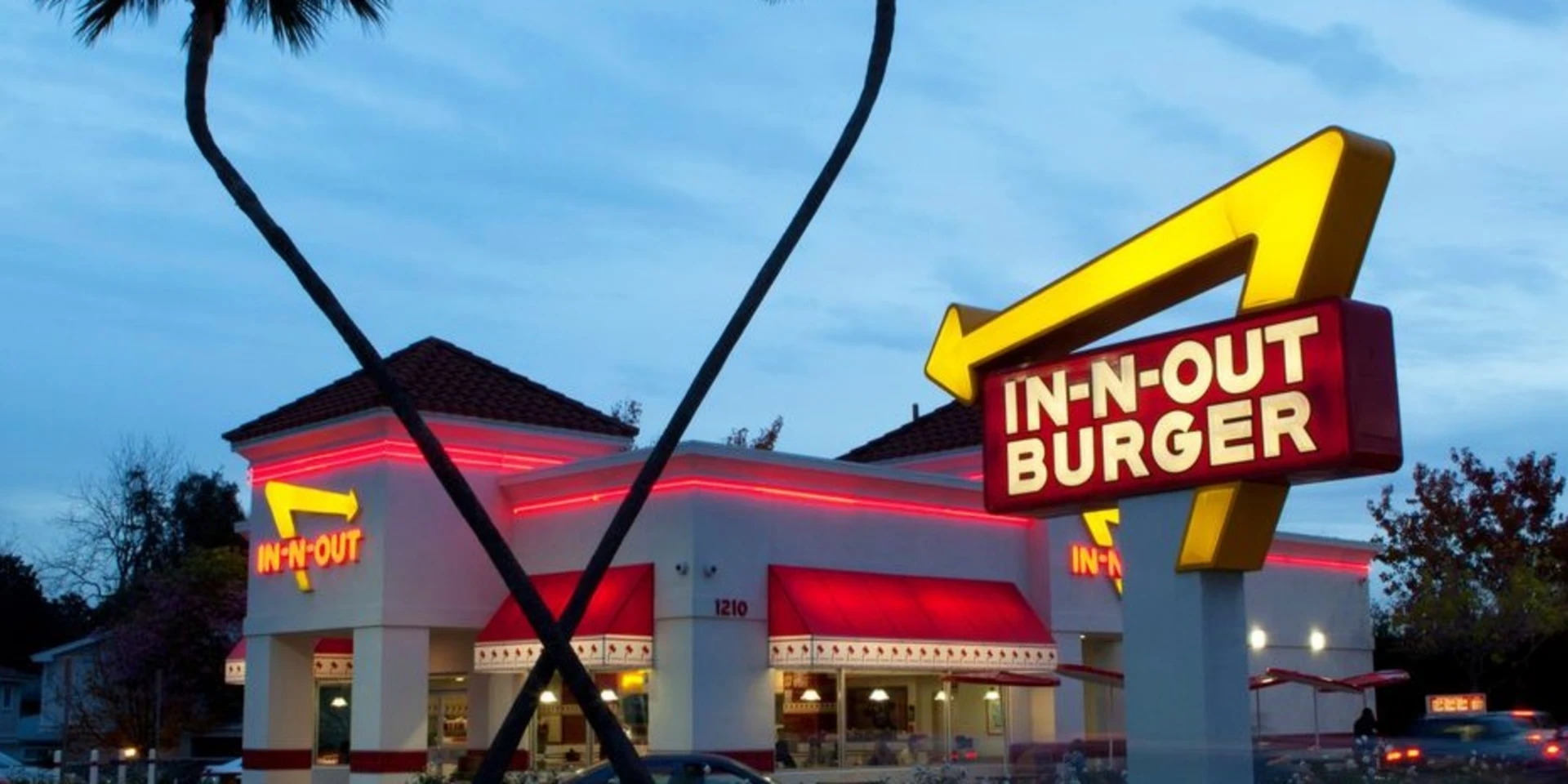
In-N-Out Burger logo

Awareness was never the problem. The opportunity was proximity: making it effortless to find a nearby location at the exact moment of the decision. Most of those searches happened on a phone with immediate intent, someone wanting hours, directions, or the closest restaurant, not information about the brand.

Franchises | Advertising

7

High-intent local search patterns targeted

Franchises

Advertising

Read full story
In-N-Out Burger restaurant and neon sign at dusk

In-N-Out Burger

01 / 02

06Questions

Questions we are asked about this.

  • How can geofencing help my business in Norman attract customers?

    Geofencing allows you to reach people who are physically present near specific locations that indicate their interest. For example, by targeting the University of Oklahoma campus, you can engage students with relevant offers, driving them to your business.

  • What kind of data is used to set up geofencing campaigns?

    Geofencing relies on location data from mobile devices to identify when someone enters a predefined virtual area. This allows campaigns to target audiences based on their real-world movements and presence at key sites.

  • How do you measure if a geofencing campaign is successful?

    Success is measured by tracking actions like physical store visits or other desired outcomes after a user has been exposed to a geofenced message. This helps determine the direct impact of reaching audiences based on their location.

Start a conversation

Let's talk about geofencing in Norman

Tell us where you are and what you need to move. We will tell you what we would do first.