Driving Foot Traffic from Philadelphia's Key Destinations

Connect with local audiences based on their actual physical movements, turning real-world behavior into measurable engagement and revenue for your business.

01Market context
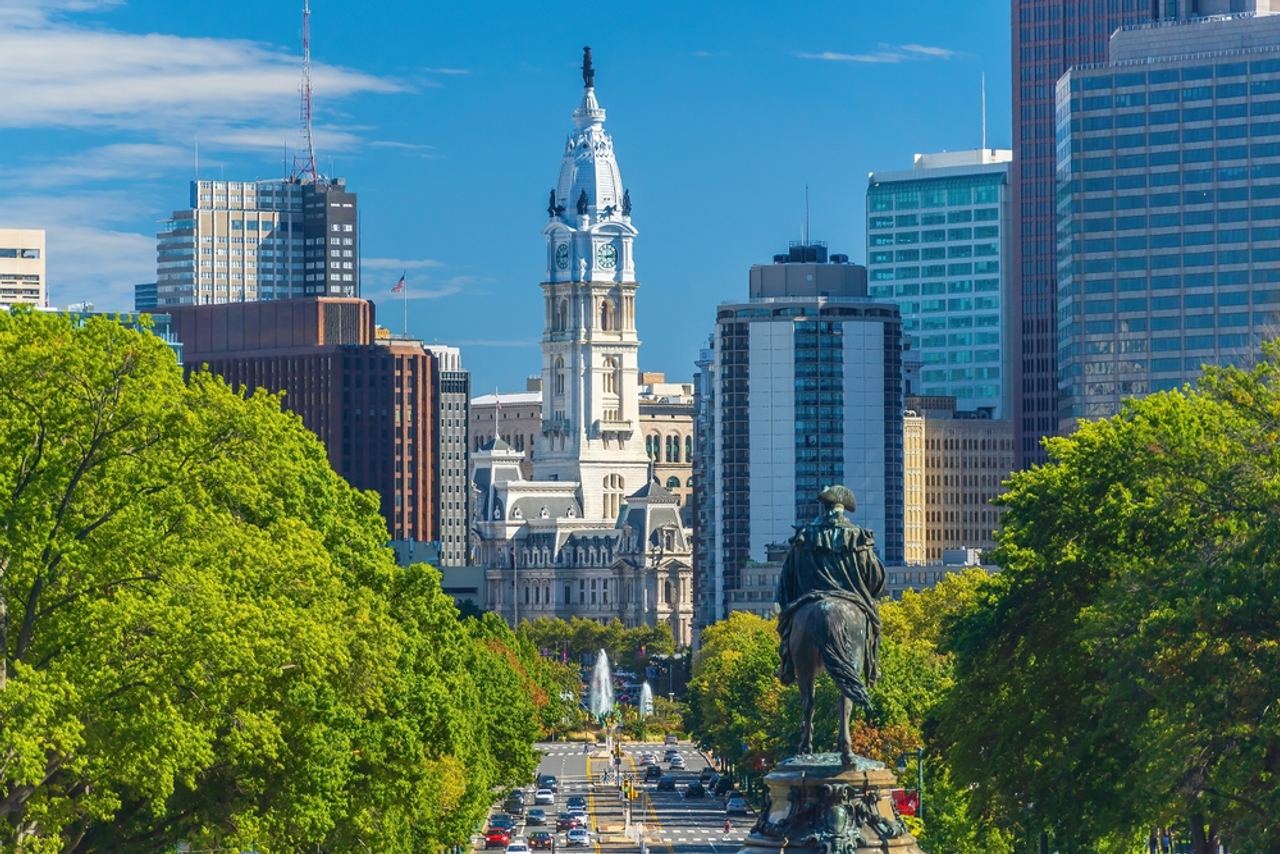
Philadelphia, Pennsylvania.
Philadelphia City Hall framed by the Benjamin Franklin Parkway and the center city skyline.

Activating Location-Based Intent

Geofencing uses digital boundaries to define audiences by where they physically go, leveraging their real-world presence as a strong indicator of interest. By placing virtual perimeters around specific locations, businesses can deliver messages to individuals inside these areas. This strategy allows for precise targeting, ensuring advertising reaches people when they are most receptive to a relevant offer or communication, and directly influencing their immediate decisions.

For businesses in Philadelphia, this approach means identifying key landmarks, business districts, or event venues where potential customers gather. The city's blend of historic sites and cultural attractions, from the Liberty Bell to the Philadelphia Museum of Art, creates numerous points of interest. Establishing geofences around these or other relevant areas, such as competitor locations, helps businesses connect with people whose physical presence suggests a particular need or intention.

Raincross develops geofencing campaigns that move beyond simple location-based targeting. We construct audience segments based on observed patterns of movement and behavior, then track the impact of these campaigns through metrics like physical visits and direct revenue attribution. This allows businesses to understand the effectiveness of their efforts in converting location-defined interactions into tangible results, optimizing strategies for maximum return.
02 / How the work runs

How the work runs here

  1. 01

    Define Behavioral Audiences

    We create audience segments by analyzing real-world travel patterns and location history, focusing on places that indicate specific interests or needs.

  2. 02

    Target Key Local Areas

    Virtual boundaries are set around relevant Philadelphia landmarks, commercial zones, or event venues where your ideal customers are likely to be present.

  3. 03

    Measure Physical Visits

    Campaign performance is tracked by measuring subsequent visits to your business, providing a clear link between digital engagement and real-world actions.

  4. 04

    Attribute Revenue Impact

    We quantify how geofencing campaigns contribute to your bottom line, demonstrating the financial return on your advertising investment.

Fig. 01

How geofencing runs for Philadelphia organizations

03The experts behind the work

The people behind this work.

A selection of the specialists who lead and shape this work, supported by a broader multidisciplinary team.

04Selected engagements
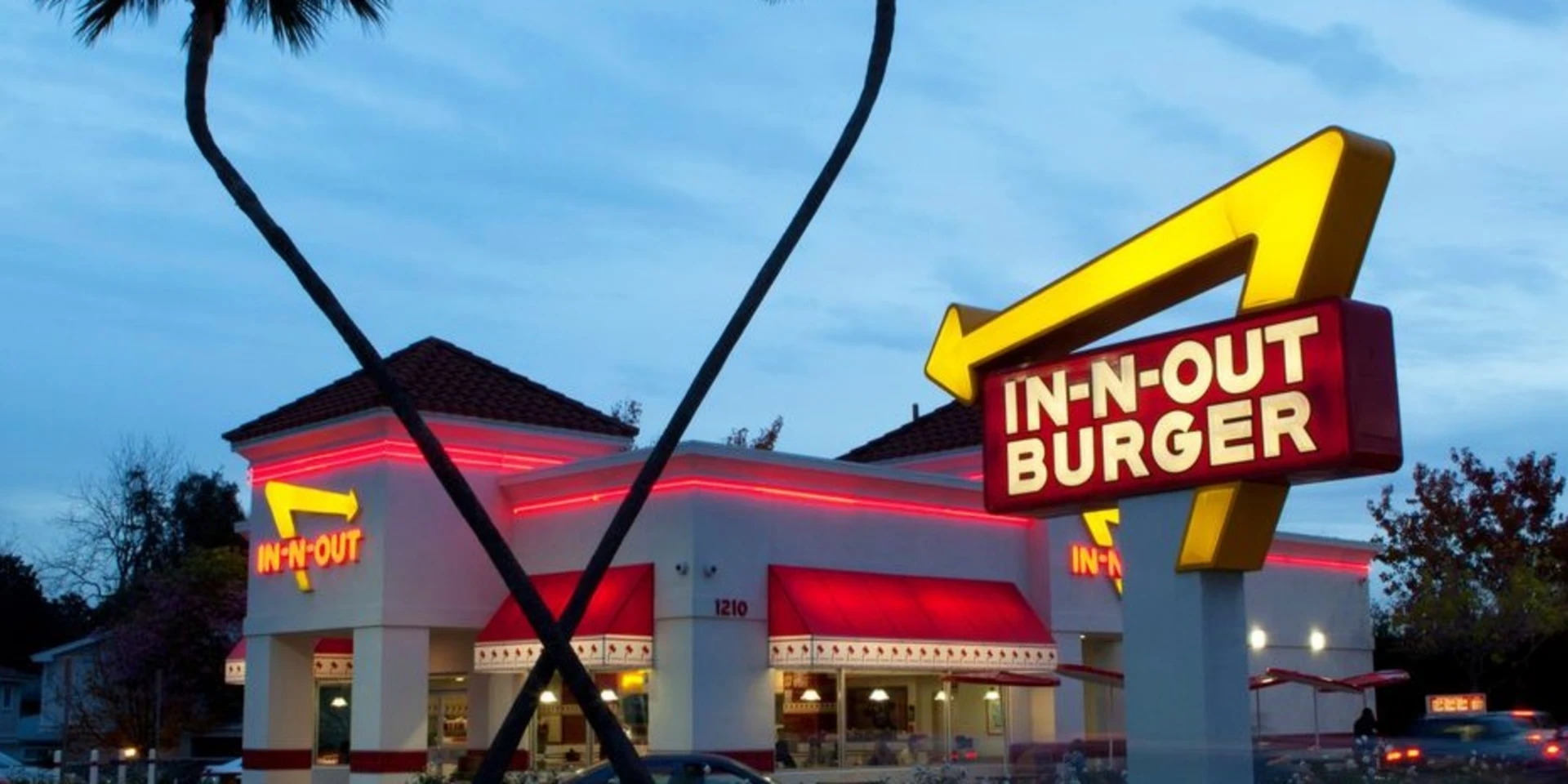
In-N-Out Burger logo

Awareness was never the problem. The opportunity was proximity: making it effortless to find a nearby location at the exact moment of the decision. Most of those searches happened on a phone with immediate intent, someone wanting hours, directions, or the closest restaurant, not information about the brand.

Franchises | Advertising

7

High-intent local search patterns targeted

Franchises

Advertising

Read full story
In-N-Out Burger restaurant and neon sign at dusk

In-N-Out Burger

01 / 02

06Questions

Questions we are asked about this.

  • How does geofencing help my Philadelphia business attract customers?

    Geofencing helps your business reach people who are physically near relevant locations, such as your store, a competitor, or a related event. This allows you to deliver timely, targeted messages to individuals showing an immediate intent or interest, encouraging them to visit your establishment.

  • Can I target people visiting specific Philadelphia landmarks?

    Yes, geofencing allows you to place virtual boundaries around specific locations like the Liberty Bell or the Philadelphia Museum of Art. This enables you to engage with tourists or residents who are in areas that align with your business offerings.

  • What kind of data do you use to define geofencing audiences?

    We define audiences based on location data reflecting real-world behavior and movement patterns. This approach allows us to segment potential customers based on their visits to specific types of places, indicating their likely interests or needs, rather than just their general vicinity.

Start a conversation

Let's talk about geofencing in Philadelphia

Tell us where you are and what you need to move. We will tell you what we would do first.