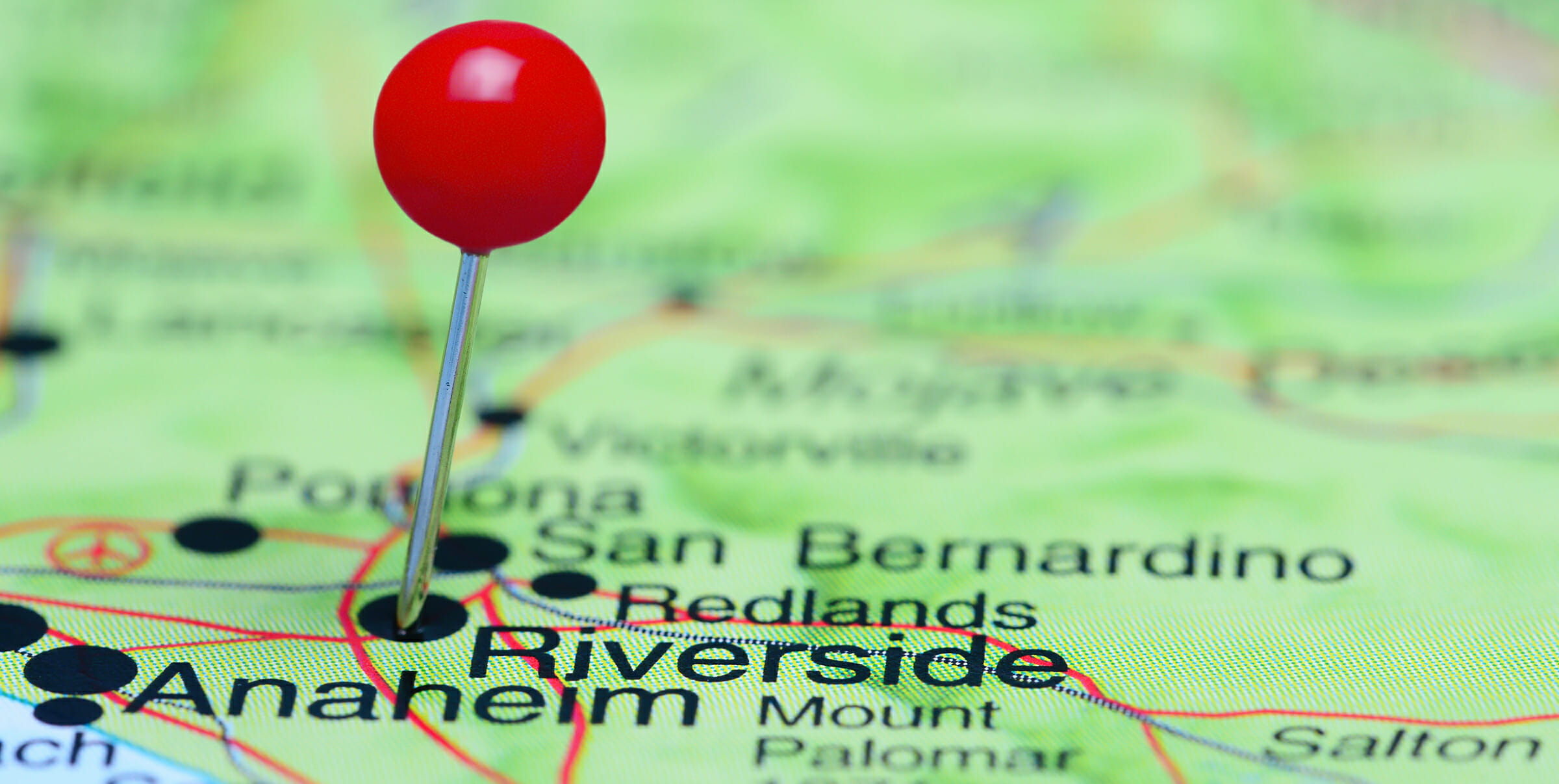
Geofencing uses defined physical areas to create audience segments from real-world behavior, then measures their subsequent visits and revenue. For businesses in Myrtle Beach, this means creating precise digital boundaries around attractions, golf courses, or popular shopping areas. When individuals enter these specified zones, they become part of an audience that can receive targeted messages, allowing businesses to engage them at moments when their interest in local offerings is highest. This approach converts passive observation into active engagement, directly influencing consumer choices.
Businesses can address a specific market challenge by targeting visitors near locations like Broadway at the Beach or the Myrtle Beach SkyWheel. This strategy allows for reaching people whose current physical presence indicates a clear intent or interest relevant to the advertiser's products or services. Rather than broad advertising, geofencing focuses on delivering pertinent information to individuals who are already demonstrating a related behavior, such as exploring entertainment options or seeking dining experiences within the city. This precision reduces wasted impressions and improves the relevance of marketing efforts.
Raincross approaches geofencing by first identifying key physical locations that reliably predict customer intent for a given business in Myrtle Beach. We then establish the digital perimeters for these areas and monitor how the targeted audience responds to campaigns. This includes tracking visits to the business's own physical location or other desired actions, providing clear data on the effectiveness of the strategy. The focus is on leveraging real-world movement to inform digital targeting, ensuring that advertising messages are timely and aligned with potential customers' immediate needs and activities.