DOOH that pairs physical screens with digital targeting in St. Paul
Connect with consumers through digital screens in physical spaces, aligning your message with their daily routes and activities.
We Serve St. Paul Clients
Movement-Based Engagement
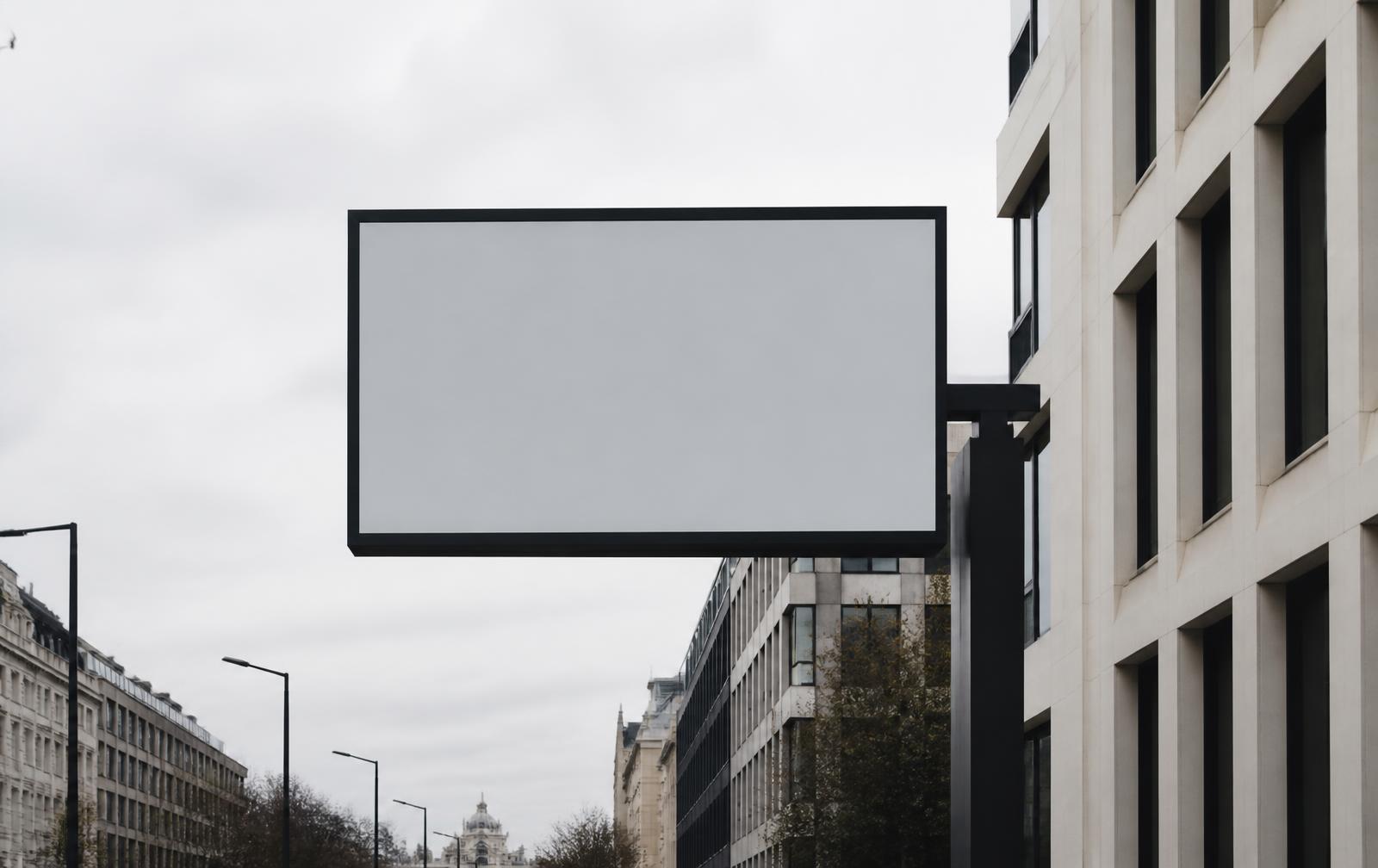
Digital out-of-home advertising places dynamic messages on screens where people move through their day. This strategy focuses on engaging individuals as they commute, shop, or participate in leisure activities across St. Paul. Instead of broad impressions, the goal is to position your message at points of attention, influencing an audience already in motion. This approach makes sure your communication is part of the urban experience rather than just a background element.
For businesses in St. Paul, the challenge is to capture attention in a specific, meaningful way. Our method for digital out-of-home advertising moves beyond static placements, concentrating on how people interact with the city environment. We analyze movement patterns to identify optimal display locations, ensuring your message appears when and where it is most relevant to the target audience. This precision helps solve the problem of reaching a diverse population effectively without wasted exposure.
Raincross plans digital out-of-home placements by mapping audience flow and daily routines. This means selecting locations based on where people are going and what they are doing, not just where there are many eyes. Messages are then designed to suit these specific contexts, from downtown areas to transit corridors in St. Paul. Success is measured by how well these placements integrate with and influence the consumer journey, turning transient attention into a meaningful connection for your brand.

02 / How the work runs
How the work runs here
- 01
Movement Pattern Analysis
We examine how audiences travel through St. Paul to pinpoint effective display locations. This ensures your message appears where it can best integrate into daily routines.
- 02
Contextual Messaging
Displays are chosen and tailored to align with specific activities or times of day. This makes your advertising relevant to an audience engaged in commutes or leisure pursuits.
- 03
Physical World Screens
This service involves placing digital advertisements on screens located in various public spaces. These are planned using the same audience models that guide other advertising efforts.
- 04
Audience Journey Integration
We focus on how displays influence consumers as they move through their day. This shifts the emphasis from static impressions to dynamic, integrated engagement.
Fig. 01
How digital out-of-home runs for St. Paul organizations
The people behind this work.
A selection of the specialists who lead and shape this work, supported by a broader multidisciplinary team.




Related thinking.
- article

Are Hashtags Dead? Why Social Media Strategies Need to Evolve
For years, hashtags were a cornerstone of social media marketing. Brands, influencers, and businesses alike relied on them to categorize content, increase visibility, and drive engagement. - article

What Are The Best Days & Times To Post on Social Media? (Updated 2020)
As the Coronavirus (COVID-19) continues to change the daily lives of Americans, we are all spending more time on social media. - article
Facebook Has User Information On 98 Categories. Here they are.
The Washington Post reported in 2016, that Facebook uses 96 data points to target ads at at consumers, it's actually 98. It's true that Facebook is able to target advertising with pinpoint accuracy.
Questions we are asked about this.
How does digital out-of-home differ from traditional billboards in St. Paul?
Digital out-of-home uses dynamic screens that can display changing content and target specific times. Traditional billboards are static, showing the same message constantly. This allows for more flexibility in connecting with specific audiences in St. Paul at relevant moments.
Where are digital out-of-home placements typically located in St. Paul?
These placements are strategically located in areas with significant movement, such as downtown, near event venues, and along transit routes. The goal is to reach audiences during their daily commutes or leisure activities.
What kind of businesses in St. Paul benefit most from this type of advertising?
Businesses seeking to influence consumers during specific parts of their day, such as those near transit hubs or cultural attractions, can benefit. It is effective for brands that want to engage a diverse audience as they move through the city.
Start a conversation
Let's talk about digital out-of-home in St. Paul
Tell us where you are and what you need to move. We will tell you what we would do first.