Screens in the physical world, bought like digital media

Capability
01 Advertising
Service
Digital Out-of-Home
Typical engagement
Twelve weeks to first measured read
Measured on
Verified outcomes, not impressions

Digital out-of-home is outdoor advertising with the planning, targeting, and measurement of programmatic media behind it. The screen is physical. The decision about which screen, at what hour, with which message, and whether it worked, is not.

0s

the read time a roadside screen actually gets

0.0×

store visit lift in exposed markets against a matched holdout

0%

increase in branded search during exposed flights

0

week window before budget is scaled

Selected clients

01Inventory and targeting

The parts of a DOOH buy, in plain terms.

Out-of-home screens are not one inventory type. Each environment has a different dwell time, a different audience state, and a different creative requirement.

  • 01

    Digital billboard networks

    Roadside and urban screens with high reach and very short dwell. Message length is the constraint, and delivery is weighted to the hours the route is busy.

    • Roadside
    • Urban panels
    • Three second read
    • Daypart weighted
  • 02

    Transit and airport

    Stations, platforms, concourses, and terminals where people wait. Dwell time is long enough for detail, and audiences are unusually well defined by destination and route.

    • Rail and bus
    • Concourse
    • Long dwell
    • Traveler audiences
  • 03

    Retail media and place-based

    Screens inside stores, malls, gyms, clinics, campuses, and offices. Proximity to the decision is the value, and context can be matched to the moment precisely.

    • In-store
    • Retail media
    • Venue screens
    • Point of decision
  • 04

    Targeting and triggers

    Audience indexing, geographic precision, dayparting, and contextual triggers applied across every screen, with exposed devices captured for digital follow-up.

    • Audience index
    • Geographic
    • Weather and event
    • Device capture
02The experts behind the work

Meet some of the Raincross experts behind Digital Out-of-Home.

A selection of the specialists who lead and shape this work, supported by a broader multidisciplinary team.

03Overview

Outdoor advertising stopped being a guess.

For most of its history, out-of-home was bought by location and sold by estimate. You chose a board, you paid for a month, and you accepted a traffic count as evidence that people saw it. The medium was powerful and almost entirely unaccountable.

Digital out-of-home changes the mechanics without changing the impact. Screens across billboard networks, transit systems, airports, retail environments, gyms, and venues are bought as impressions through the same demand-side platforms used for display and video. Delivery can be scheduled by hour, triggered by weather or an event, and changed the same afternoon.

The more important shift is measurement. Mobile devices present during a play window can be identified, held as an audience, and followed into site visits, store visits, and conversions. That is what turns DOOH from a brand gesture into a media line that can be defended, and what lets it sit inside an omnichannel plan rather than beside one.


DOOH is not traditional outdoor with a brighter screen. It is a digital channel that happens to render in the physical world, and it should be planned that way.

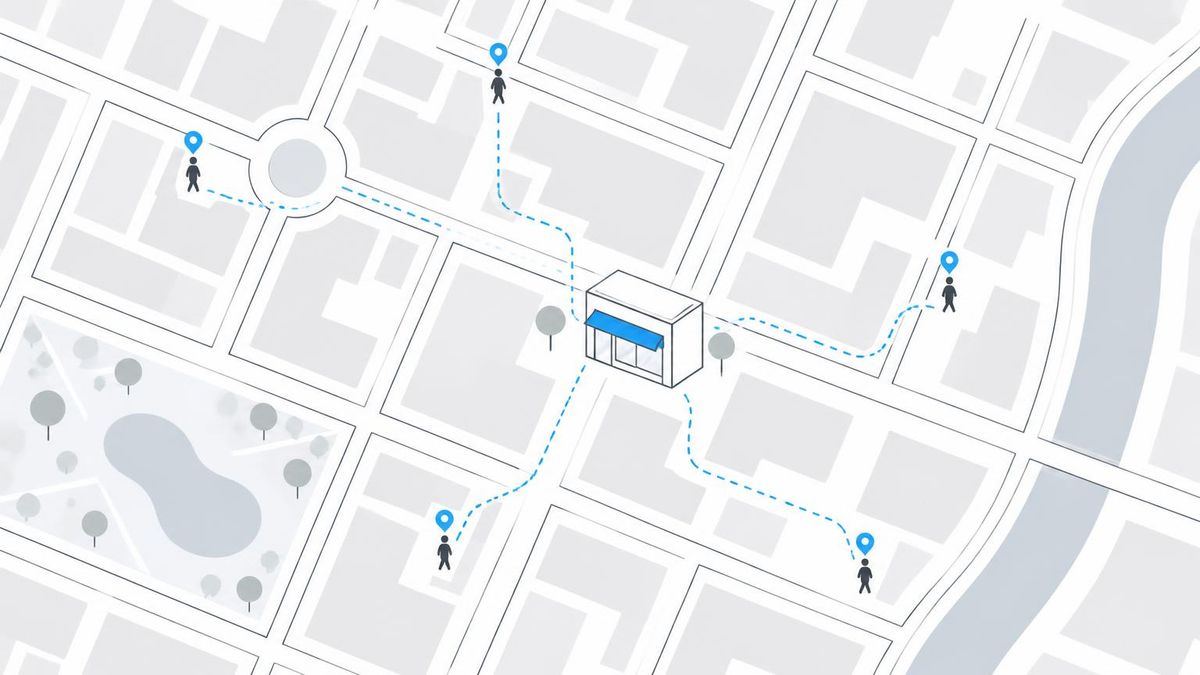
Fig. 01Omnichannel journey
A screen seen in the street, the device that was present, the visit that followed, and the outcome the campaign is judged on.
0%
of screens planned against an audience index, not a traffic count
0
shared measurement framework across DOOH, search, and display
04Screen networks and operators

Whose screens the plan runs on.

Operators and screen networks we buy programmatically, selected by real world audience movement rather than board availability.

Outdoor operators

  • Lamar Advertising logoLamar Advertising
  • Clear Channel Outdoor logoClear Channel Outdoor
  • OUTFRONT Media logoOUTFRONT Media
  • Intersection logoIntersection
  • and more...

Place based networks

  • Captivate logoCaptivate
  • Adomni logoAdomni
  • and more...

Buying platforms

  • Vistar Media logoVistar Media
  • Hivestack logoHivestack
  • The Trade Desk logoThe Trade Desk
  • DV360 logoDV360
  • Placer.ai logoPlacer.ai
  • and more...
05Platforms and technology

The stack behind the work.

We are platform-independent. Tooling is chosen per engagement, and every account is client-owned.

Demand-side platforms
  • Basis logoBasis
  • The Trade Desk logoThe Trade Desk
  • DV360 logoDV360
  • StackAdapt logoStackAdapt
  • Vistar Media logoVistar Media
  • Hivestack logoHivestack
  • and more...
Inventory and data
  • National billboard networks
  • Transit and airport media
  • Retail media networks
  • Place-based venue networks
  • Movement and visitation data
  • and more...
Measurement
  • Device capture and geofencing
  • Store visit studies
  • Geo holdout testing
  • Branded search lift
  • Looker Studio reporting
  • and more...
06Problems solved

What this work is usually brought in to fix.

Six failure patterns we see repeatedly, and what we change about each.

Boards bought by landmark
Screens chosen because someone drives past them daily. We select inventory by audience index and route data, then confirm it against movement patterns.
One static message for a month
Digital screens can change by hour, weather, inventory level, or event. Running one creative for the full flight wastes the only advantage the format has.
Out-of-home planned separately from digital
When DOOH is bought by a different team on a different calendar, the follow-up never happens and the exposure is wasted.
Impressions accepted without verification
Play counts are not people. We require third-party audience measurement and reconcile delivered plays against expected reach.
No mechanism to measure a result
Without device capture, geographic holdouts, or store visit measurement designed before launch, outdoor spend defaults to a story.
Creative built for a desk
Copy written for a browser fails at forty miles an hour. DOOH creative has a word count, a contrast requirement, and about three seconds.
07Who it's for

Where this service earns its place.

If none of these describe the situation, we will say so before a proposal is written.

  • 01

    Brands with a defined geographic footprint

    Regional advertisers, multi-location businesses, and service areas where physical presence and media should agree.

  • 02

    Organizations reaching people in transit

    Commuters, travelers, and shoppers who are addressable in place long before they are addressable at home.

  • 03

    Campaigns with a date

    Openings, events, seasons, and public programs where timing is the message and delivery has to move with it.

  • 04

    Public sector and civic programs

    Communication that has to reach a whole population in a defined area rather than a self-selected online audience.

  • 05

    Retail and venue-adjacent brands

    Advertisers whose conversion happens within walking distance of the screen that carried the message.

  • 06

    Programs already running programmatic

    Teams who want a physical touch inside the same audience definition, frequency ceiling, and reporting they already use.

08Our approach

We plan the route and the moment, not the billboard

A screen is only worth what the people passing it are worth. We start from the audience and the places their week actually contains, then choose inventory that intersects those patterns and a message that suits the second it is read in.

In practice: audience and location intelligence first, dynamic creative built for context, screens selected by index rather than fame, exposed devices captured for follow-up, and results read against a holdout market.

Fig. 02

How a geographic activation is actually built.

The order matters. Campaigns that begin with available inventory end up describing an audience that fits the boards someone could buy. Campaigns that begin with the audience end up buying fewer screens and reaching more of the right people.

Location intelligence indexes every available screen against the defined audience before anything is reserved.

Dynamic creative sets the message by place, hour, weather, and event rather than running one execution for the flight.

Measurement is designed before the first play, not reconstructed after the campaign ends.

Fig. 02Audience to proof
09Process

How the work runs.

Eight stages, run in order. Measurement design is agreed before any budget is committed.

10Capabilities

What is included.

Scoped per engagement. Most programs use four or five of the capabilities below.

  • 01

    Programmatic DOOH buying

    Screens bought as impressions through the same demand-side platforms as display and video, with fees stated separately.

  • 02

    Location intelligence

    Movement and visitation data used to index inventory against the audience rather than against traffic volume.

  • 03

    Dynamic creative optimization

    Message, offer, and imagery set by geography, hour, weather, event, inventory, or live data feed.

  • 04

    Dayparting and scheduling

    Delivery weighted to the hours the audience is present and paused for the hours they are not.

  • 05

    Place-based and venue media

    Transit, airport, retail media networks, gyms, campuses, and clinics selected by environment and dwell time.

  • 06

    Geofence and device capture

    Devices present during play windows built into audiences for remarketing across display, video, and social.

  • 07

    Omnichannel sequencing

    DOOH exposure connected to search, social, and site experience so the physical touch has somewhere to go.

  • 08

    Attribution and measurement

    Store visit studies, geographic holdouts, branded search lift, and modeled contribution reported together.

Fig. 03

What a DOOH report looks like.

Delivered plays and verified audience impressions sit at the bottom. Above them: captured devices, site and store visits from exposed audiences, branded search lift, and cost per measured result.

Plays are delivery. Visits and conversions from exposed audiences are the evidence.

Exposed markets are always shown beside a holdout market rather than against last year.

Fig. 03Exposure, behavior, outcome

Talk it through

Ask us what your outdoor budget can prove

Send your current out-of-home plan. We will tell you which screens index against your audience, which do not, and what it would take to measure the difference.

11Capability

01

Advertising

Media planned and bought against the buying journey rather than the platform, with direct channels like email activated in the same plan. The focus is measurable performance, not simply placement, so every dollar reads cleanly against revenue.

14Industry applications

How digital out-of-home changes by industry.

The workflow stays the same. The environment, the dwell time, and the outcome being measured do not.

  • 01

    Healthcare

    Service line and access messaging placed against commuter routes, transit, and clinic-adjacent screens inside a defined catchment. Targeting stays contextual and geographic rather than behavioral, and delivery is measured to appointment requests and service line inquiries.

  • 02

    Tourism

    Airport, transit, and downtown screens reaching visitors already in market, paired with origin-market billboards during the planning window. Exposed devices are captured for follow-up, and the channel is measured to bookings and attraction visits.

  • 03

    Retail

    Screens indexed to trade areas and shopping routes, with dynamic creative reacting to weather, stock, and promotional windows. Measured to store visits from exposed audiences against a matched holdout market.

  • 04

    Government

    Public programs, safety campaigns, and civic notices delivered to an entire geography rather than a self-selected online audience, with transit and venue screens carrying detail that roadside cannot. Measured to program enrollment and site traffic.

  • 05

    Higher education

    Enrollment and program awareness across commuter corridors, transit, and community venues, timed to inquiry, application, and deposit windows. Adult learners and parents are reached in places digital-only plans routinely miss.

  • 06

    Manufacturing

    Industrial corridors, trade show cities, and airport concourses reaching small buying committees during travel. Measured to qualified inquiries and pipeline across long consideration cycles.

  • 07

    Home services

    Tight service-area screens along daily routes, with weather and seasonal triggers that match demand as it appears. Exposure creates the familiarity that branded search later captures, and the two are read together.

  • 08

    Entertainment

    Venue proximity, event timing, and countdown creative that changes by day and by remaining inventory. Measured to ticket sales from exposed markets rather than to impressions delivered.

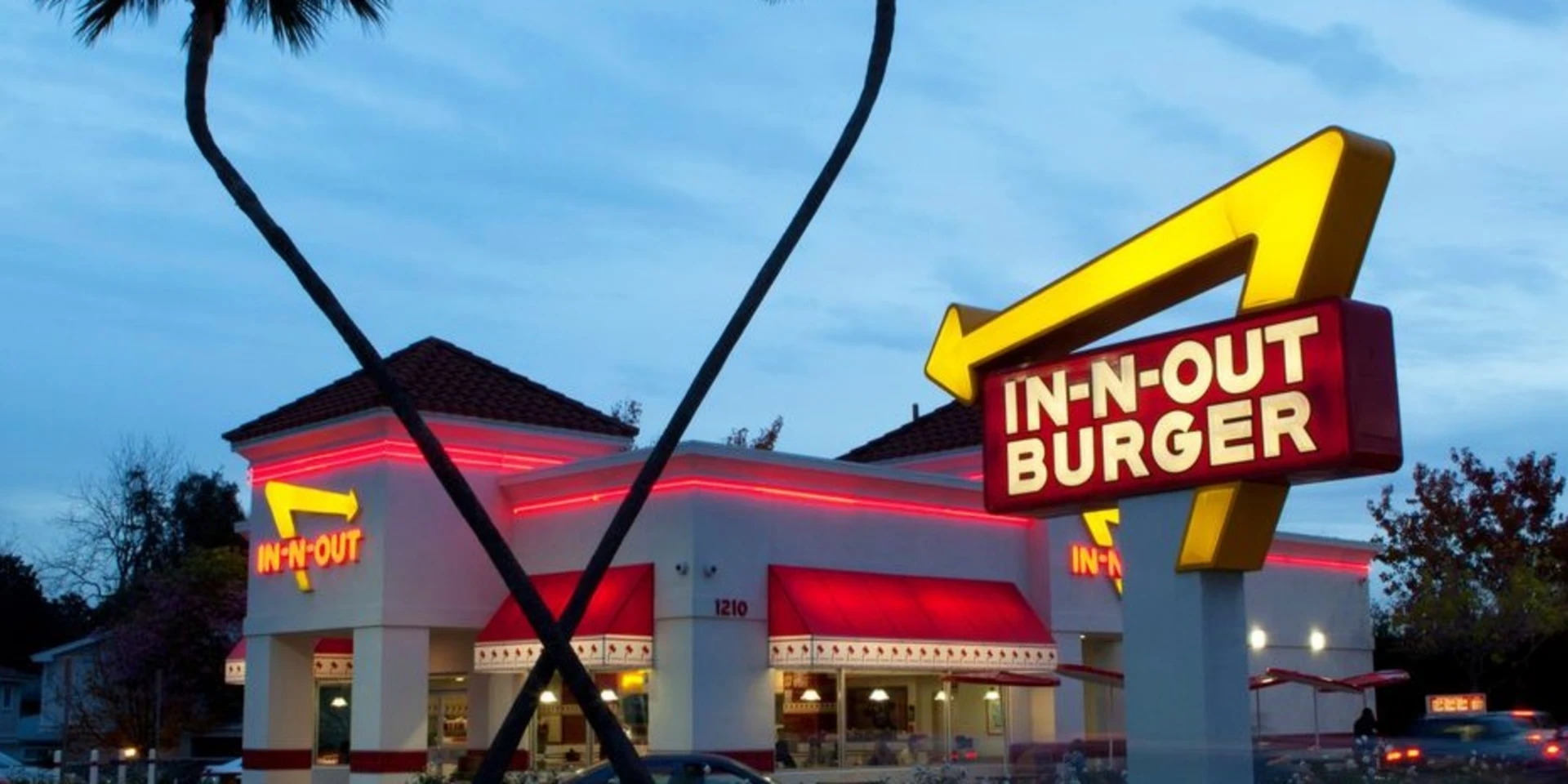
In-N-Out Burger restaurant and neon sign at dusk

In-N-Out Burger

Awareness was never the problem. The opportunity was proximity: making it effortless to find a nearby location at the exact moment of the decision. Most of those searches happened on a phone with immediate intent, someone wanting hours, directions, or the closest restaurant, not information about the brand.

01 Industry

Franchises. Advertising.

02 What we did

Awareness was never the problem. The opportunity was proximity: making it effortless to find a nearby location at the exact moment of the decision. Most of those searches happened on a phone with immediate intent, someone wanting hours, directions, or the closest restaurant, not information about the brand.

0

High-intent local search patterns targeted

Read the full case study
15Selected engagements

Proof, with the holdout shown.

View all case studies
HUB International logo

Insurance is one of the most competitive categories in paid search, and HUB International served industries whose needs had almost nothing in common. A business researching employee benefits needed a different message than one evaluating cyber liability, and the budget had to stay clear of claims, careers, and consumer traffic.

Professional services | Advertising

10

Campaign themes structured by insurance need

Professional services

Advertising

Read full story
HUB International signage on a modern glass office building

HUB International

01 / 02

17Questions

Common questions.

  • What is digital out-of-home advertising?

    DOOH is advertising delivered on digital screens in public and commercial spaces: billboards, transit stations, airports, retail environments, gyms, campuses, and venues. Unlike printed outdoor, inventory is bought as impressions through demand-side platforms, scheduled by hour, changed while the campaign runs, and measured against audience and outcome data.

  • How is DOOH different from traditional billboards?

    A traditional billboard is bought by location for a fixed period with one static message and an estimated audience. A digital screen is bought by impression against an indexed audience, can carry different messages by hour, weather, or event, and can be measured through device capture, store visit studies, and geographic holdouts.

  • How is DOOH measured?

    Three layers. Delivery is verified through third-party audience impressions rather than play counts. Behavior is measured by capturing devices present during play windows and following them to site and store visits. Outcome is proven by comparing exposed markets to withheld markets, supported by branded search lift.

  • How does DOOH work with geofencing?

    They are designed together. A perimeter is drawn around each screen's play area, devices present during the play window are built into an audience, and that audience receives display, video, and social follow-up. The physical exposure creates awareness and the digital sequence gives it somewhere to go.

  • Can DOOH creative change automatically?

    Yes. Dynamic creative optimization sets the message from data feeds: time of day, weather, temperature, traffic, event schedules, inventory levels, pricing, or countdowns. It is the largest practical advantage the format has over printed outdoor, and most campaigns leave it unused.

  • What makes DOOH creative work?

    Brevity and contrast. Roadside screens get about three seconds and a handful of words, so one idea, a legible brand, and a single ask. Long-dwell environments like transit platforms and waiting rooms can carry more detail, which is why creative is written per environment rather than resized across all of them.

  • Does DOOH fit into an omnichannel plan?

    It should be planned inside one from the start. DOOH runs on the same audience definition as programmatic display and video, exposed devices feed remarketing, branded search captures the demand it creates, and all of it reports against the same business outcome rather than as a separate outdoor line.

  • What does DOOH cost?

    Inventory is priced per thousand impressions and varies widely by environment, market, and dwell time. Programmatic buying removes the fixed monthly commitment of traditional outdoor, which means budgets can start smaller, concentrate on the highest indexing screens, and scale only after measurement supports it.

Begin a conversation

Send us your outdoor plan

We will index the screens against your audience, show you which ones earn their place, and design the measurement that tells you whether the physical world moved the business.

DOOH engagements begin with an audience and location audit before any inventory is reserved.