Websites engineered to perform long after launch

Capability
03 Web
Service
Web Development
Typical engagement
Twelve weeks to first measured read
Measured on
Verified outcomes, not impressions

Development decides how well a website can be crawled, rendered, integrated, measured, maintained, and changed. We build on the platform that fits the organization, from custom WordPress to structured content behind a modern front end.

Printed website architecture blueprints and component specification sheets spread across a studio table during a development planning session
0

stages from architecture through measurement

0

layers designed together, experience through business systems

WCAG 0.0 AA

accessibility standard implemented and verified against

Since 0

years building and maintaining websites in Riverside

Selected clients

01The experts behind the work

Meet some of the Raincross experts behind Web Development.

A selection of the specialists who lead and shape this work, supported by a broader multidisciplinary team.

02Overview

Built to perform after launch.

Web development is the engineering discipline that turns strategy, design, and content into a website that is fast, maintainable, and measurable. It is not the act of converting a layout into code. Development determines how effectively a site can be crawled and rendered, how easily editors can publish, what it can integrate with, how it performs, and how much of it can change without a rebuild.

The work runs in sequence: design establishes the experience, architecture decides how it will be built and on what, development implements the component system and templates, content is modelled so editors own what genuinely changes, integrations connect the site to the systems the business already runs, performance and semantics are resolved during implementation, and measurement is wired in before launch rather than after.

That sequence is also what makes the site discoverable. Crawling, rendering, heading structure, internal linking, metadata, structured data readiness, and load behavior are implementation outcomes. Structured, accessible, machine readable pages are the same thing AI systems need to read an organization accurately, which is a matter of building well rather than a claim about influencing results.


Architecture fits the organization. Everything else follows from that decision.

Fig. 01Modern website stack
Experience, content, integrations, and data are separate layers with separate decisions. People, search engines, AI systems, and business systems all read from the same stack, which is why each layer has to be chosen rather than inherited.
0
layers in the stack, experience through business systems
0
stages from architecture to measurement
03Platforms and technology

The stack behind the work.

We are platform-independent. Tooling is chosen per engagement, and every account is client-owned.

CMS and content platforms
  • WordPress logoWordPress
  • Sanity logoSanity
  • Custom themes and blocks
  • Structured content models
  • Editorial workflows
  • and more...
Front end and application
  • React
  • TypeScript
  • Component libraries
  • Server rendering
  • Edge delivery
  • and more...
Integrations and martech
  • HubSpot logoHubSpot
  • Salesforce logoSalesforce
  • Google Ads logoGoogle Tag Manager
  • Form and lead routing
  • REST and GraphQL APIs
  • and more...
Measurement and quality
  • GA4 logoGA4
  • Google Search Console logoGoogle Search Console
  • Core Web Vitals field data logoCore Web Vitals monitoring
  • Lighthouse logoLighthouse
  • axe and WCAG 2.2 AA testing
  • and more...
04Problems solved

What this work is usually brought in to fix.

Six failure patterns we see repeatedly, and what we change about each.

The stack was chosen before the requirements
The platform was decided before anyone described the content, the integrations, or who would operate the site. Every requirement since has been a workaround.
Performance was treated as a later phase
Speed was left until after launch, when the causes are structural: page weight, rendering approach, third party scripts, and how templates were assembled.
Search problems that live in the build
Pages render in ways crawlers struggle with, headings carry no structure, internal links are inconsistent, and metadata is produced by hand.
The CMS gives editors no real control
Editors can change text and nothing else, so routine updates become developer tickets and the site stops reflecting the business.
Integrations were added, not designed
Forms, CRM, and analytics were connected one at a time by different people. Tracking is duplicated, attribution is unreliable, and leads go missing.
Maintenance ended at launch
Nothing was budgeted after launch. Dependencies age, security patches lag, performance drifts, and the site quietly decays.
05Who it's for

Where this service earns its place.

If none of these describe the situation, we will say so before a proposal is written.

  • 01

    Organizations moving from design into build

    The design is settled and the question is how it gets built: platform, content model, integrations, and who maintains it afterward.

  • 02

    Teams blocked by their own website

    Every routine change requires a developer. Editors cannot add a page, adjust a section, or publish without a ticket and a wait.

  • 03

    Sites with performance problems that will not patch

    Pages load slowly, Core Web Vitals fail, and the causes are structural rather than a matter of compressing a few images.

  • 04

    Websites with integrations bolted on afterward

    Forms, CRM records, analytics, and tag management were added separately over time, so nobody trusts the data or knows where a lead goes.

06Our approach

There is no correct stack. There is a stack that fits the organization that has to operate it

Most development conversations start with a platform and a list of technologies. That order guarantees a website engineered for someone else's requirements. We start from what the organization publishes, what it has to integrate, who operates the site, and what has to be measured, then choose an architecture that fits those facts. Sometimes that is WordPress. Sometimes it is structured content behind a modern front end. It is never a house preference dressed up as a recommendation.

The test of an architecture is not how it demos. It is whether the team can publish, integrate, measure, and change the site two years from now without a rebuild.

Fig. 02

One page, three kinds of reader.

A person, a crawler, and an AI system all ask the same site for the same page. What each one receives depends on how the application routes and renders, how the content is structured, and what markup comes out the other side.

Rendering is a discoverability decision, not only a performance one.

If a reader cannot fetch or parse the page, nothing else on it counts.

Fig. 02Request to experience
07Process

How the work runs.

Seven stages, run in order. Measurement design is agreed before any budget is committed.

08Capabilities

What is included.

Scoped per engagement. Most programs use four or five of the capabilities below.

  • 01

    Frontend and component architecture

    Templates and interface components built as a reusable system, so new pages are assembled from tested parts rather than rebuilt each time.

  • 02

    CMS and WordPress development

    Custom WordPress themes and blocks, or structured content models in a headless platform, shaped around what editors actually publish.

  • 03

    Structured content modelling

    Content modelled as fields and relationships rather than pages of formatted text, so it can be reused, queried, and understood by machines.

  • 04

    Responsive implementation

    Layout, navigation, and interaction implemented deliberately at each breakpoint, then tested on real devices rather than resized windows.

  • 05

    API, CRM, and martech integrations

    CRM, marketing platforms, forms, scheduling, and business systems connected as part of the architecture, with the data path defined up front.

  • 06

    Analytics and conversion tracking

    Tag management, event tracking, form and conversion measurement implemented once, documented, and verified in production.

  • 07

    Performance and Core Web Vitals

    Page weight, rendering, caching, and Core Web Vitals treated as architecture decisions rather than a post launch optimization pass.

  • 08

    Semantic markup and technical SEO foundations

    Semantic HTML, heading structure, internal linking, metadata, and structured data readiness produced by the templates themselves.

  • 09

    Accessibility implementation

    Keyboard access, focus handling, labels, contrast, and reading order implemented against WCAG 2.2 AA and verified, not asserted.

  • 10

    Security practice

    Dependency hygiene, access control, form protection, and update discipline handled as ongoing build practice.

  • 11

    QA and cross-device testing

    Functional, responsive, browser, and device testing, plus verification that tracking and content behave the same in production as in staging.

  • 12

    Deployment and maintainability

    Version control, staging, documented releases, and a maintenance path so the site can be changed safely long after launch.

Fig. 03

The work does not end at deploy.

Architecture, build, integration, optimization, validation, deployment, then measurement that returns to architecture. The loop closes because the things worth improving after launch are usually structural.

Measurement is wired in before launch, not discovered afterward.

A site that receives no attention after deployment decays in performance and security first.

Fig. 03Development lifecycle

Before you commit to a rebuild

Get a technical read on the current build

We will look at rendering, page weight, Core Web Vitals, semantic structure, tracking, and how much editors can change without a developer.

09Capability

03

Web

A website is not a brochure. It is where every other discipline converges, built for speed, search, accessibility, and the conversion required to justify the media above it.

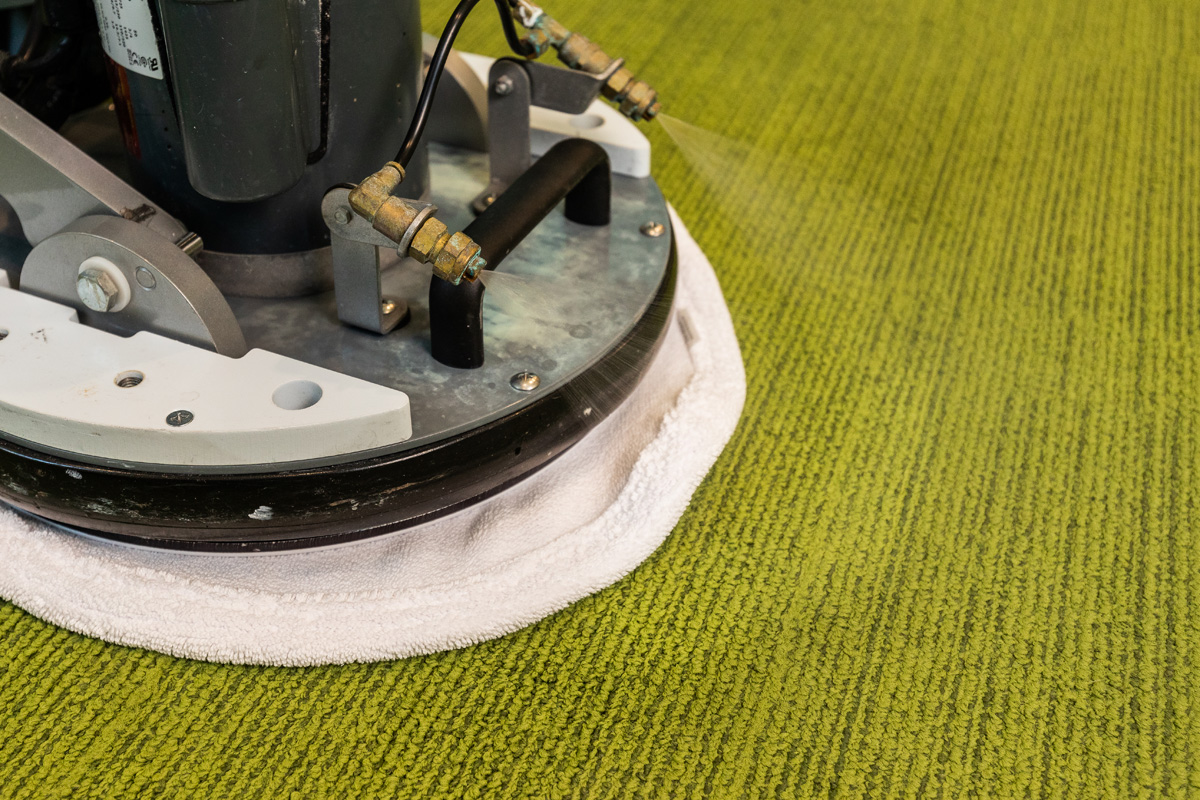
Close-up of an OctoClean interim carpet cleaning machine treating green office carpet

OctoClean

OctoClean needed to grow its franchise network, but its website was not reaching or educating prospective business owners. Candidates had to understand the opportunity, the support behind it, and what set the model apart from other commercial cleaning franchises.

01 Industry

Franchises. Web.

02 What we did

OctoClean needed to grow its franchise network, but its website was not reaching or educating prospective business owners. Candidates had to understand the opportunity, the support behind it, and what set the model apart from other commercial cleaning franchises.

0%

Increase in website traffic during the engagement

Read the full case study
12Selected engagements

Proof, with the holdout shown.

View all case studies
MonkeySports logo

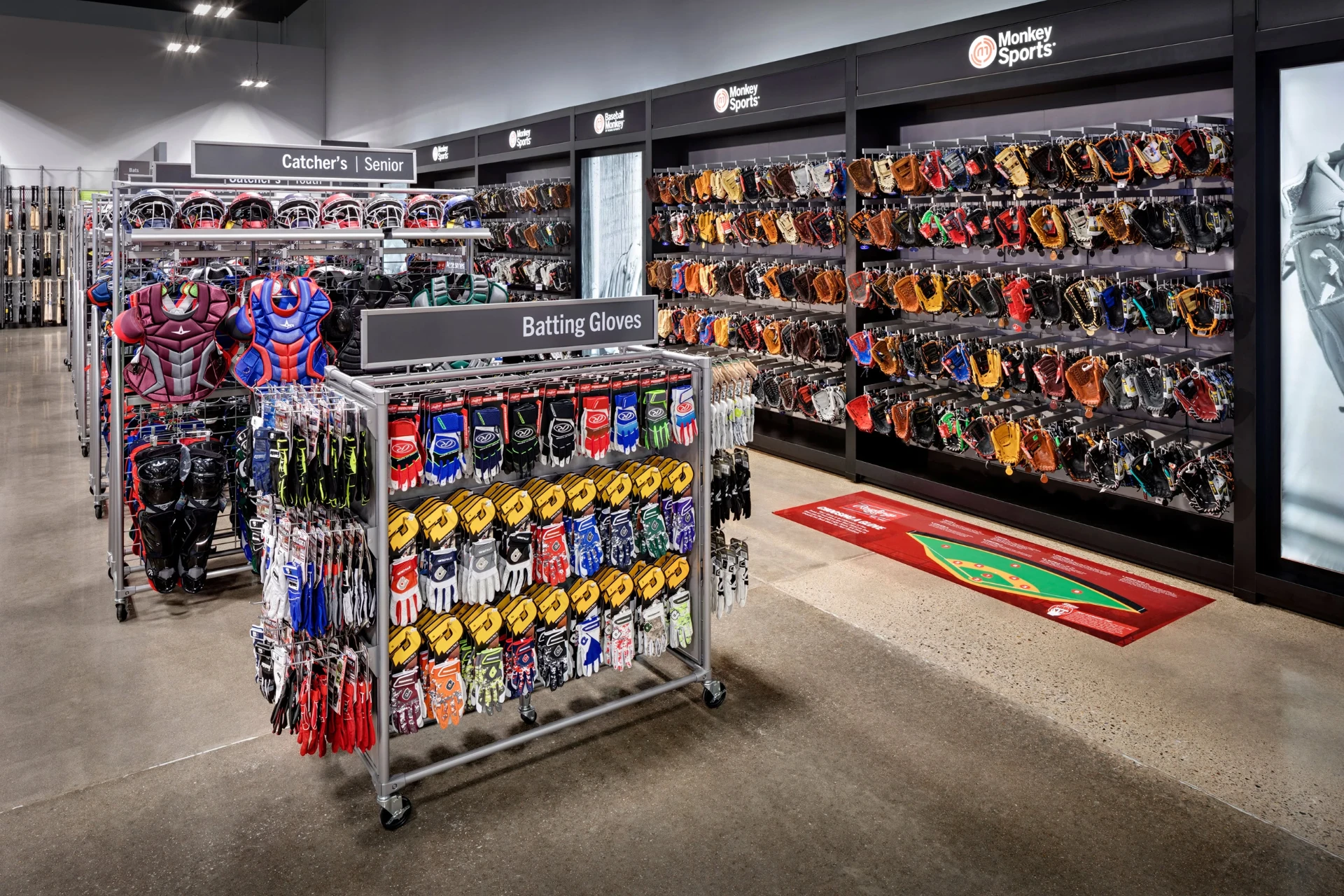
MonkeySports had to serve two businesses at once: a growing network of retail stores and three specialized online shops, each with a deep catalog of its own. The flagship site had to tie the brand together and still send shoppers in store.

Retail and e-commerce | Web

4

Connected websites in one ecosystem

Retail and e-commerce

Web

Read full story
MonkeySports baseball department with batting gloves, catcher's gear, and a wall of mitts

MonkeySports

01 / 02

14Questions

Common questions.

  • What is web development?

    Web development is the engineering work that turns strategy, design, and content into a working website: templates, components, the content model, integrations, performance, accessibility, deployment, and measurement.

  • What is the difference between web design and web development?

    Design decides what the experience is. Development builds it and decides how it behaves: rendering, content modelling, speed, integrations, measurement, and maintainability.

  • What CMS platforms does Raincross work with?

    Primarily WordPress and structured platforms such as Sanity, often with modern React front ends. The choice depends on content, publishing needs, integrations, and performance rather than a house default.

  • Does Raincross develop WordPress websites?

    Yes. We build custom WordPress themes and blocks rather than page builder and plugin stacks, with performance, accessibility, and security handled during the build.

  • What is a CMS?

    A CMS is the software used to create, organize, and publish content without editing code. A good implementation gives editors control over what actually changes while keeping structure consistent.

  • What is headless web development?

    Headless development separates content storage from presentation, delivering structured content through an API to one or more front ends. It suits reuse and performance needs, but it is one option rather than a default.

  • How does web development affect SEO?

    Crawling, rendering, semantic markup, internal links, metadata, structured data, URLs, and speed are all implementation outcomes, so much of search performance is decided during development.

  • Do Core Web Vitals matter?

    Yes, though as a description of real experience rather than a score. Performance is cheapest to address during architecture and implementation, not as post launch clean up.

  • Can Raincross integrate a website with a CRM or other systems?

    Yes. Forms, CRM, marketing automation, analytics, tag management, and business systems are planned as part of the architecture, including how data moves and how submissions are tracked end to end.

  • What happens after a website launches?

    After deployment we verify tracking, redirects, indexing, forms, and performance, then move into maintenance and improvement informed by real traffic, analytics, and search data.

Web development

Start with the requirements, not the platform

Tell us what the site has to publish, integrate, and measure. We will tell you what architecture that actually requires, including when the honest answer is WordPress.

Call (800) 505-7570. Working with regional and national brands since 1998.