








Search demand, bought against revenue rather than clicks

Capability
01 Advertising
Service
Paid Search
Typical engagement
Twelve weeks to first measured read
Measured on
Verified outcomes, not impressions

Paid search reaches people at the moment they are actively looking for what you sell. That moment is valuable, and it is expensive. We run it as an acquisition discipline: intent understood, landing experience owned, and every bid priced against the profit the customer will produce.

0%

of spend recovered from non-converting query intent

0.0×

qualified pipeline per dollar after value-based bidding

0%

lower cost per acquired customer, not per lead

0

week window before budget is scaled

Selected clients

01How it differs

Paid search against the alternatives.

Search is one way to meet demand. Its value is clearest when set beside the disciplines it works with.

  • 01

    Paid search

    Buys the moment of active intent. Immediate, controllable, and measurable, but the cost per customer rises as you push beyond the highest intent queries.

    • Immediate
    • High intent
    • Auction priced
    • Scales with budget
  • 02

    SEO

    Earns the same results page over time. Slower to build and impossible to switch on, but the cost per visit falls as the asset compounds.

    • Compounding
    • Slow to build
    • No cost per click
    • Durable
  • 03

    Programmatic and social

    Create the demand search later harvests. Without them, search is capped by the demand someone else generated.

    • Demand creation
    • Audience led
    • Upper funnel
    • Measured together
  • 04

    AI answer surfaces

    Assistants increasingly resolve the query before a click happens. Paid placement is arriving there, and the citable content behind it matters now.

    • Answer engines
    • Fewer clicks
    • Citation matters
    • Emerging inventory
02The experts behind the work

Meet some of the Raincross experts behind Paid Search.

A selection of the specialists who lead and shape this work, supported by a broader multidisciplinary team.

03Overview

Paid search is customer acquisition, not campaign management.

A search query is the clearest signal a buyer ever sends. Someone types what they need, and for a few seconds the market is transparent. Most accounts spend that moment badly: broad keywords, automated bidding pointed at the wrong event, and a landing page nobody on the media team has read.

The mechanics are the easy part. The difficult part is deciding which intent is worth buying, what a converted customer is actually worth, and what has to change on the page before more budget makes anything better.

We treat the account, the offer, and the landing experience together. Conversion quality is scored, not counted. Bids answer to margin and lifetime value, so the program can grow without quietly buying less profitable demand.

Every ad account, conversion action, and audience list stays in the client's name. We operate it, you own it.

Fig. 01Search intent journey
A need becomes a query, a query meets an ad, an ad promises something a landing page has to keep. Optimization is the return path, not a final step.
0%
median share of spend found on non-converting query intent
0
revenue definition every campaign is bid against
04Platforms and technology

The stack behind the work.

We are platform-independent. Tooling is chosen per engagement, and every account is client-owned.

Search platforms
  • Google Ads logoGoogle Ads
  • Microsoft Advertising logoMicrosoft Advertising
  • Google Ads logoPerformance Max
  • Google Ads logoShopping campaigns
  • Google Ads logoCall campaigns
  • Google Ads logoLocal Services Ads
  • and more...
Measurement and data
  • GA4 logoGA4
  • Server-side tagging
  • Offline conversion imports
  • CallRail logoCall tracking
  • CRM value feedback
  • Looker Studio reporting
  • and more...
Testing and experience
  • Landing page testing
  • Feed management
  • Script-based automation
  • Geo holdout testing
  • Heatmap and session review
  • and more...
05Problems solved

What this work is usually brought in to fix.

Six failure patterns we see repeatedly, and what we change about each.

Optimized to leads, not to customers
Form fills are easy to buy. We score conversions by quality and feed the good ones back as the bidding signal, so the platform learns to find buyers.
Intent bought indiscriminately
Broad match plus automated bidding drifts toward research queries. We map intent by stage and fund the queries that end in revenue.
Landing pages nobody owns
Media teams buy the click and hand off the page. We treat landing experience as part of the buy, tested against the promise the ad made.
Performance Max as a black box
Run without structure it absorbs brand demand and reports it as growth. We segment, exclude, and audit asset group performance every week.
Attribution that flatters the channel
Last click credits search for demand other work created. We reconcile platform numbers against holdouts and modeled contribution.
Scale that erodes profit
Budget increases without margin thresholds buy worse customers. We set efficiency floors per segment before scaling anything.
06Who it's for

Where this service earns its place.

If none of these describe the situation, we will say so before a proposal is written.

  • 01

    Businesses with proven demand

    Categories where people are already searching, and the question is how much of that demand can be captured profitably.

  • 02

    Lead generation with long cycles

    Programs where the form fill is the start of the sale, and quality matters more than volume.

  • 03

    Multi-location and service-area operators

    Businesses judged by geography, where local demand is uneven and budgets need to follow it.

  • 04

    Ecommerce with margin discipline

    Retailers who need Shopping and Performance Max bid against contribution margin rather than blended return.

  • 05

    Accounts inherited from another agency

    Programs that need a structural rebuild rather than another round of bid adjustments.

  • 06

    Regulated categories

    Healthcare, legal, and public sector programs that need documented compliance in ad copy and targeting.

07Our approach

Clicks are not the goal. Business growth is

Anyone can buy traffic. The work is understanding which search intent produces customers worth having, what those customers are worth over time, and what has to be true on the page for the click to become revenue.

In practice: intent mapped before keywords are chosen, conversion values assigned before bidding is automated, landing experience tested alongside creative, and a weekly review that reads margin rather than impression share.

Fig. 02

How an account is built.

Structure is the strategy. Every level inherits the intent and budget of the one above it, which is why a rebuild usually outperforms another round of bid adjustments.

One theme per ad group. If the ad cannot repeat the query, the group is too broad.

Fig. 02Account, campaign, ad group, keywords, ads, pages
08Process

How the work runs.

Eight stages, run in order. Measurement design is agreed before any budget is committed.

09Capabilities

What is included.

Scoped per engagement. Most programs use four or five of the capabilities below.

  • 01

    Search campaign management

    Intent-led account structure, match type discipline, negative keyword governance, and daily search term review.

  • 02

    Shopping and feed optimization

    Product feeds treated as ranking assets: titles, attributes, and segmentation built for margin, not just coverage.

  • 03

    Performance Max governance

    Asset group segmentation, brand exclusions, audience signals, and reporting that separates new demand from harvested demand.

  • 04

    Local Services and call campaigns

    Phone-led demand captured, verified, scored for quality, and attributed alongside digital conversions.

  • 05

    Landing page and conversion work

    Pages built and tested for the query behind the click, in step with our Conversion Optimization practice.

  • 06

    Audience and first-party strategy

    Customer lists, remarketing, and value-based audiences used to bid differently for different people.

  • 07

    Bid and budget modeling

    Target setting driven by margin and lifetime value, with efficiency floors defined before scale.

  • 08

    Measurement and attribution

    Server-side conversion tracking, offline conversion imports, and holdout testing that keeps the reported number honest.

Fig. 03

How the program improves.

The loop runs weekly. Nothing is scaled until it clears the efficiency floor agreed at the start, and nothing is cut on a single week of data.

Scale is the last step, never the first response to a good month.

Fig. 03Research, build, launch, measure, optimize, scale

Talk it through

Ask us what your search budget is actually buying

Send a recent search terms report. We will tell you what share of the spend met purchase intent, and what it would take to prove the rest produced customers.

10Capability

01

Advertising

Media planned and bought against the buying journey rather than the platform, with direct channels like email activated in the same plan. The focus is measurable performance, not simply placement, so every dollar reads cleanly against revenue.

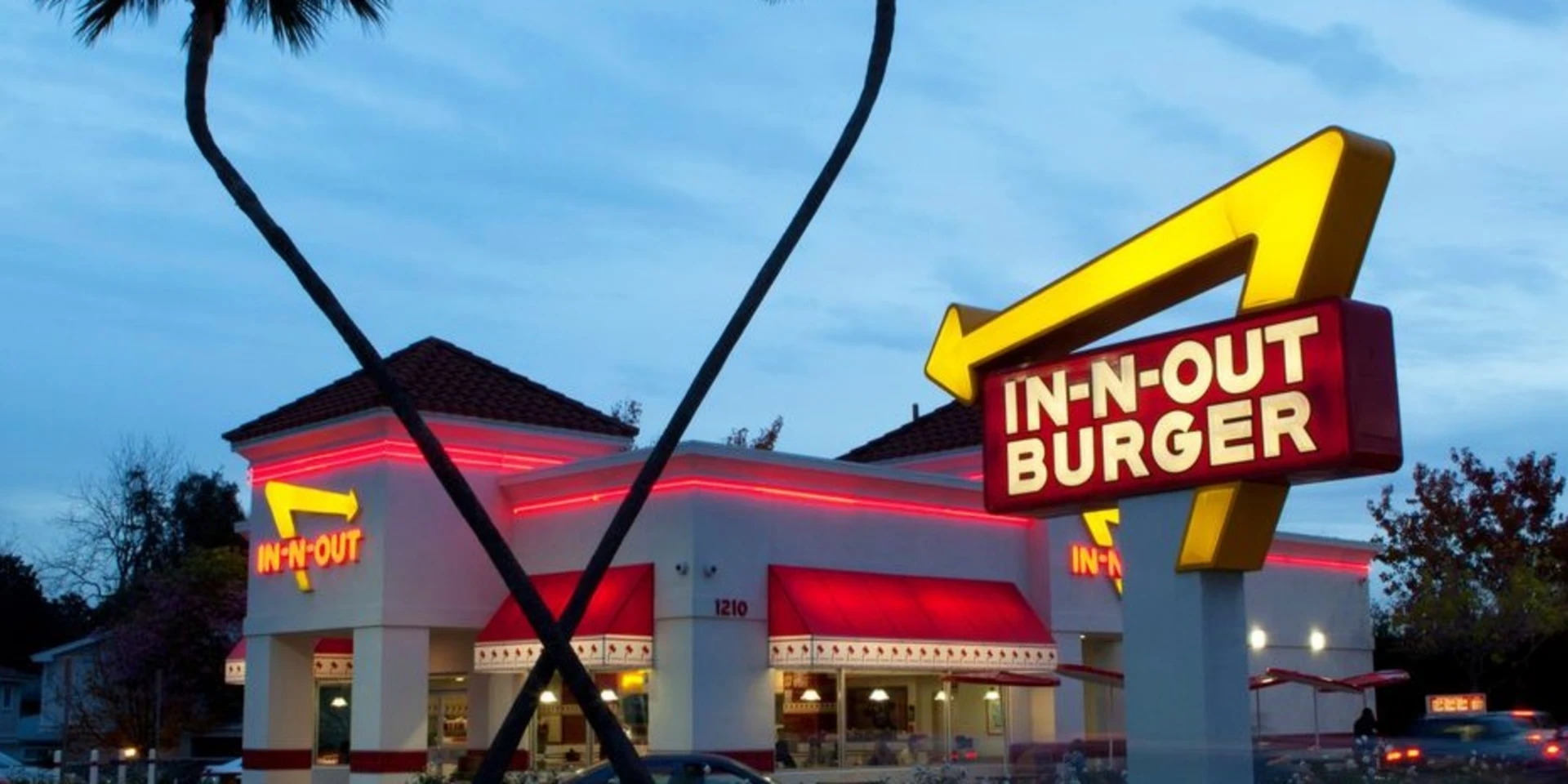
In-N-Out Burger restaurant and neon sign at dusk

In-N-Out Burger

Awareness was never the problem. The opportunity was proximity: making it effortless to find a nearby location at the exact moment of the decision. Most of those searches happened on a phone with immediate intent, someone wanting hours, directions, or the closest restaurant, not information about the brand.

01 Industry

Franchises. Advertising.

02 What we did

Awareness was never the problem. The opportunity was proximity: making it effortless to find a nearby location at the exact moment of the decision. Most of those searches happened on a phone with immediate intent, someone wanting hours, directions, or the closest restaurant, not information about the brand.

0

High-intent local search patterns targeted

Read the full case study
13Selected engagements

Proof, with the holdout shown.

View all case studies
HUB International logo

Insurance is one of the most competitive categories in paid search, and HUB International served industries whose needs had almost nothing in common. A business researching employee benefits needed a different message than one evaluating cyber liability, and the budget had to stay clear of claims, careers, and consumer traffic.

Professional services | Advertising

10

Campaign themes structured by insurance need

Professional services

Advertising

Read full story
HUB International signage on a modern glass office building

HUB International

01 / 02

15Questions

Common questions.

  • What is paid search?

    Paid search places your business in the results of a search engine at the moment somebody is looking for what you offer. Placement is decided by an auction that weighs your bid against the relevance and quality of the ad and the page behind it, so the cheapest bidder does not automatically win.

  • How is paid search different from SEO?

    Paid search buys the position and can be switched on this week; the cost continues for as long as the campaign runs. SEO earns the position over months and the traffic keeps arriving without a cost per click. Most programs need both: search advertising covers the demand you cannot yet earn, and organic search lowers the cost of the demand you can.

  • When should we invest in paid search?

    When there is measurable demand for what you sell, a clear conversion event tied to revenue, and a page that can carry the click. If people are not searching for the category yet, demand has to be created first through programmatic, social, or content, and search will harvest it later.

  • How much should we spend?

    Budget follows the economics rather than a benchmark. We start from what an acquired customer is worth, the margin available, and the volume of profitable query intent that exists, then set an efficiency floor. Spend scales only while performance stays above that floor.

  • How do you measure success?

    Qualified pipeline, cost per acquired customer, and contribution to revenue. Clicks, impressions, and impression share are diagnostics we use internally; they are not how the program is judged. Where the spend justifies it, we run holdouts so the reported effect is a measured difference rather than a platform claim.

  • Do you manage Microsoft Advertising as well as Google Ads?

    Yes. Microsoft Advertising is usually a smaller share of demand but often carries a lower cost per acquisition, particularly in professional, industrial, and higher education categories. We manage it as its own program rather than importing Google campaigns and leaving them alone.

  • Who owns the account?

    You do. Ad accounts, conversion actions, audience lists, feeds, and landing pages are created in the client's name. If the relationship ends, the program continues without us.

Next step

Let's look at what your search demand is worth

Share an account and a revenue definition. We will come back with the queries worth funding, the ones worth cutting, and what has to change on the page first.

Paid search engagements begin with a measurement and value design, agreed before budget is committed.