Online stores engineered around revenue

Capability
03 Web
Service
Ecommerce Development
Typical engagement
Twelve weeks to first measured read
Measured on
Verified outcomes, not impressions

Ecommerce development connects products, content, customer experience, technology, and measurement into one working revenue platform. We select the platform that fits the business, structure the catalog so it can be found and merchandised, and design measurement in from the first decision.

Printed product taxonomy diagrams, category architecture wireframes, and a checkout flow storyboard spread across a studio table during an ecommerce planning session
0

stages from assessment through launch and improvement

0

factors weighed before a platform is recommended

WCAG 0.0 AA

accessibility standard implemented and verified against

Since 0

years building and maintaining websites in Riverside

Selected clients

01The experts behind the work

Meet some of the Raincross experts behind Ecommerce Development.

A selection of the specialists who lead and shape this work, supported by a broader multidisciplinary team.

02Overview

A store is living infrastructure.

Ecommerce development is the discipline of building an online store that is easy to manage, easy to shop, technically sound, measurable, and organized around how the business actually makes money. It is not the act of adding a cart to a website. A store is where the product catalog, the editorial content, the inventory system, the payment and shipping providers, the CRM, and the reporting all meet, and the quality of that meeting decides what the business can sell and what it can learn.

The work runs in order. We assess the business model, the catalog, the customers, and the systems already in use. We choose a platform against those facts rather than a house preference. We structure products, variants, categories, and collections so the catalog can be merchandised and indexed. We design storefront navigation, product discovery, product detail, cart, and checkout as one continuous path. Then we integrate, validate against real transactions, and launch with measurement already reporting.

Structure is what separates a store that grows from one that has to be rebuilt. Product taxonomy, category architecture, internal linking, URLs, canonical handling, and product structured data decide whether a catalog is discoverable to shoppers and to search engines. Checkout decides whether the demand that advertising and organic visibility create ever becomes revenue. Both are implementation outcomes, which is why they belong in the build rather than in an optimization phase afterward.

Catalog structure, checkout, and measurement are one decision, made three times.

Fig. 01Commerce system
Audience, storefront, discovery, product detail, cart, checkout, revenue, and the measurement that returns to the plan. Each stage either carries the shopper forward or loses them, and the same structure that helps a person find a product is what a crawler follows.
0
stages from audience through measurement
0
systems converging on one storefront
03Platforms and technology

The stack behind the work.

We are platform-independent. Tooling is chosen per engagement, and every account is client-owned.

Ecommerce platforms
  • Shopify logoShopify
  • WooCommerce logoWooCommerce
  • WordPress logoWordPress
  • Headless storefronts
  • Commerce APIs
  • and more...
Payments, tax, and shipping
  • Stripe logoStripe
  • PayPal logoPayPal
  • Shopify Payments logoShopify Payments
  • Avalara logoAvalara
  • ShipStation logoShipStation
  • and more...
CRM, email, and operations
  • Klaviyo logoKlaviyo
  • HubSpot logoHubSpot
  • Salesforce logoSalesforce
  • Mailchimp logoMailchimp
  • Inventory and ERP APIs
  • and more...
Measurement and quality
  • GA4 logoGA4
  • Google Search Console logoGoogle Merchant Center
  • Google Ads logoGoogle Tag Manager
  • Google Search Console logoGoogle Search Console
  • Core Web Vitals field data logoCore Web Vitals monitoring
  • and more...
04Problems solved

What this work is usually brought in to fix.

Seven failure patterns we see repeatedly, and what we change about each.

The platform was picked before the catalog was described
A decision made on familiarity or price becomes a constraint on merchandising, variants, and integrations that the business then works around for years.
Products are a flat list rather than a structure
Categories overlap, variants are separate products, attributes are inconsistent, and nothing can be filtered, related, merchandised, or indexed reliably.
Checkout was treated as a platform default
Demand arrives from paid and organic channels, then meets a checkout nobody has examined: unexplained shipping costs, forced accounts, and abandoned carts.
Tracking cannot explain revenue
Purchases fire but item detail is missing, checkout steps are untracked, consent breaks events, and campaign reporting and platform reporting disagree.
Integrations were added one at a time
Inventory, shipping, CRM, and email were connected separately by different people, so stock drifts, records duplicate, and failures pass silently.
Mobile is where the traffic is and the experience is worst
Navigation, filtering, product imagery, forms, and checkout were designed on a desktop and compressed onto phones, where most of the shopping happens.
The catalog is invisible to search
Faceted navigation generates duplicate URLs, pagination is unresolved, product markup is absent, and category pages carry no content to rank with.
05Who it's for

Where this service earns its place.

If none of these describe the situation, we will say so before a proposal is written.

  • 01

    Businesses selling direct for the first time

    The products exist and the demand exists. What is missing is the catalog structure, the platform decision, and the operational path from order to fulfilment.

  • 02

    Stores that have outgrown their build

    The catalog expanded, the merchandising rules got more complex, and the original platform or theme is now the limiting factor rather than the tooling.

  • 03

    Retailers replatforming or migrating

    A move is planned, and the risk is in the catalog data, the URL map, the customer and order history, and the tracking, rather than in the design.

  • 04

    Multi system operations

    Inventory, ERP, POS, CRM, and shipping already run the business. The store has to fit those systems rather than ask the business to work around it.

  • 05

    Content led brands that also sell

    Buying guides, comparison content, and category writing do most of the persuading, and the catalog has to sit inside that editorial operation, not beside it.

06Our approach

Ecommerce architecture should match the business that has to run it

A focused catalog with three integrations and a multi channel operation with fifty thousand SKUs are not the same problem, and forcing them onto the same technical solution serves whoever made the recommendation rather than whoever operates the store. We weigh catalog complexity, integrations, content, team capability, scale, and how much of checkout has to change, then choose accordingly. Sometimes that is Shopify. Sometimes it is WordPress and WooCommerce because the content operation is the business. Occasionally the constraints genuinely require an API driven build, and more often they do not.

Checkout is part of marketing. Advertising and organic visibility only create value if a customer can move from discovery to purchase without friction, so the path is designed as one thing rather than handed between disciplines.

Fig. 02

The customer sees one store.

Products, content, inventory, payments, shipping, and CRM converge on the commerce platform, and everything a customer experiences comes out the other side. Which systems have to converge, and how reliably, is the single largest factor in what platform makes sense.

Integrations are architecture. Added afterward, they become the source of the store's worst failures.

Every connection needs a defined behavior for when it is unavailable.

Fig. 02Ecommerce architecture
07Process

How the work runs.

Seven stages, run in order. Measurement design is agreed before any budget is committed.

08Capabilities

What is included.

Scoped per engagement. Most programs use four or five of the capabilities below.

  • 01

    Ecommerce strategy and platform selection

    Business model, catalog, margins, operations, and integration requirements examined before a platform is named, with the reasoning written down.

  • 02

    Product catalog and taxonomy architecture

    Products, variants, options, attributes, and relationships modelled so the catalog can be filtered, merchandised, related, and extended without restructuring.

  • 03

    Category and collection architecture

    Category, collection, and landing structure designed for how people shop and how category level demand is searched, with URLs decided deliberately.

  • 04

    Product detail pages

    The page where the decision happens: imagery, variant selection, specifications, availability, shipping expectations, reviews, and related products.

  • 05

    Search, filtering, and navigation

    On site search, faceted filtering, and navigation built so a large catalog stays shoppable, and so facets do not generate an indexable mess.

  • 06

    Cart and checkout experience

    Cart, shipping and tax presentation, guest checkout, payment step, and confirmation examined as the revenue path rather than accepted as a default.

  • 07

    Payment and tax integration

    Gateways, wallets, alternative payment methods, and tax calculation configured and tested against real transactions before launch.

  • 08

    Shipping and fulfilment integration

    Rates, zones, methods, labels, and fulfilment status connected so what a customer is quoted matches what the operation can actually deliver.

  • 09

    Inventory and operations integration

    Stock, locations, and product data synchronized with the systems of record, including what the store does when a connection fails.

  • 10

    CRM and lifecycle email integration

    Customer records, order events, abandoned cart and post purchase flows connected with a defined data path rather than assembled from apps.

  • 11

    Ecommerce analytics and conversion tracking

    Product views, add to cart, checkout steps, purchases, and refunds implemented once, deduplicated, consent aware, and verified with real orders.

  • 12

    Product structured data and technical SEO

    Product, offer, and breadcrumb markup, canonical and pagination handling, faceted URL rules, and internal linking produced by the templates.

  • 13

    Editorial and category content systems

    Category copy, buying guides, comparisons, and support content modelled alongside products, because a store is not only a database of items.

  • 14

    Performance and mobile shopping experience

    Image handling, page weight, rendering, and Core Web Vitals treated as architecture, with mobile navigation, filtering, and checkout designed directly.

  • 15

    Accessibility and security practice

    Keyboard access, focus, labels, and contrast implemented against WCAG 2.2 AA, with payment handling, access control, and update discipline as build practice.

  • 16

    Migration and replatforming

    Catalog, content, customer, and order data mapped, URLs redirected one to one, and tracking rebuilt so reporting stays comparable across the move.

  • 17

    Ongoing management and maintenance

    Platform updates, security patching, merchandising changes, integration health, and tracking verification budgeted rather than assumed.


Fig. 03

A fit, not a winner.

Catalog complexity, integrations, content, team, scale, and customization are weighed together. Read individually they each point somewhere different, which is why a platform comparison chart is a poor substitute for examining the business.

The simpler platform is the right answer more often than the industry admits.

The cost that decides the outcome is usually operational, not licensing.

Fig. 03Platform decision framework

Before you commit to a platform

Get a read on your catalog and integrations

Send us the catalog, the systems it has to talk to, and who operates the store. We will tell you what platform that combination actually calls for, including when it is the one you already have.

09Capability

03

Web

A website is not a brochure. It is where every other discipline converges, built for speed, search, accessibility, and the conversion required to justify the media above it.

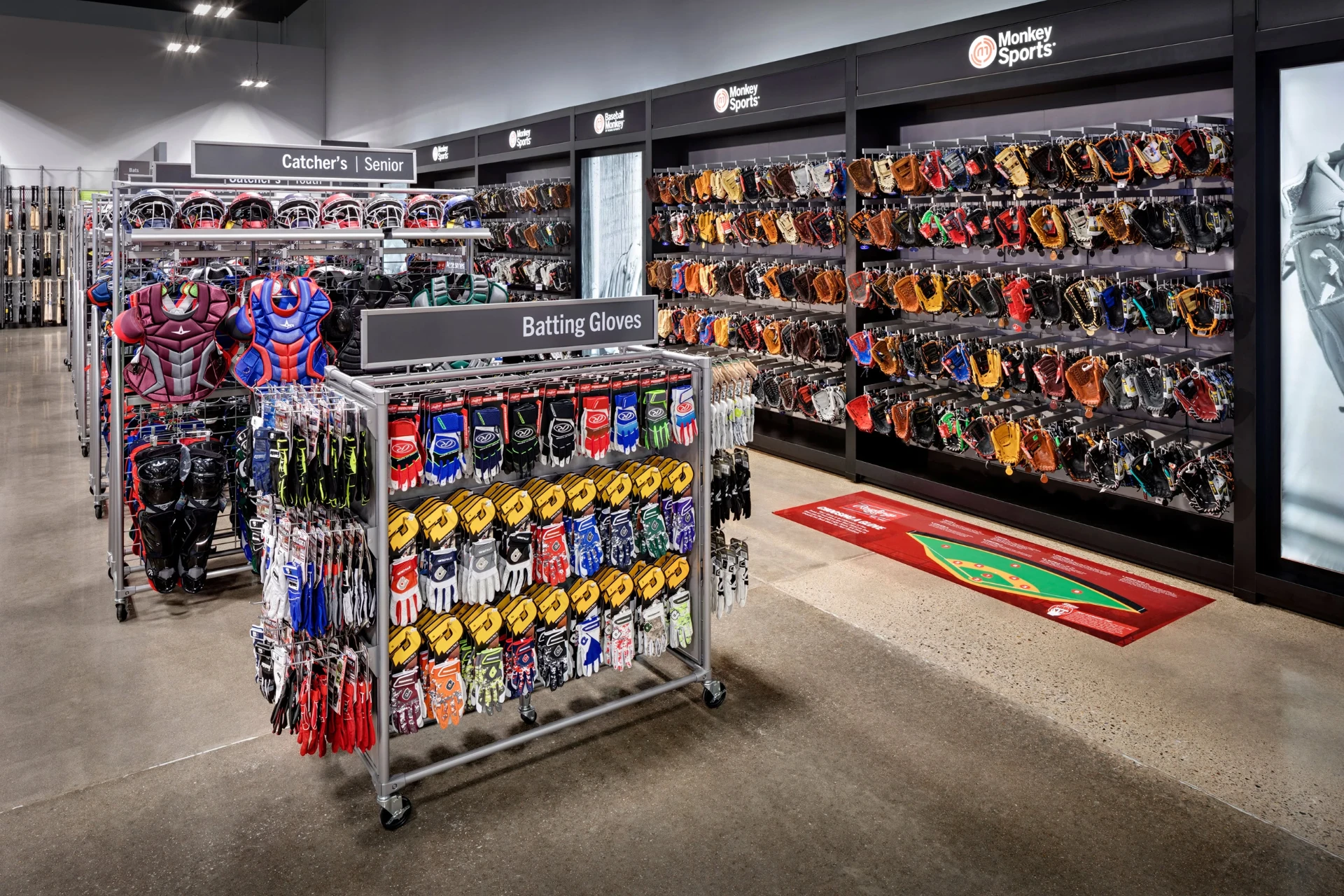
MonkeySports baseball department with batting gloves, catcher's gear, and a wall of mitts

MonkeySports

MonkeySports had to serve two businesses at once: a growing network of retail stores and three specialized online shops, each with a deep catalog of its own. The flagship site had to tie the brand together and still send shoppers in store.

01 Industry

Retail and e-commerce. Web.

02 What we did

MonkeySports had to serve two businesses at once: a growing network of retail stores and three specialized online shops, each with a deep catalog of its own. The flagship site had to tie the brand together and still send shoppers in store.

0

Connected websites in one ecosystem

Read the full case study
12Selected engagements

Proof, with the holdout shown.

View all case studies
OctoClean logo

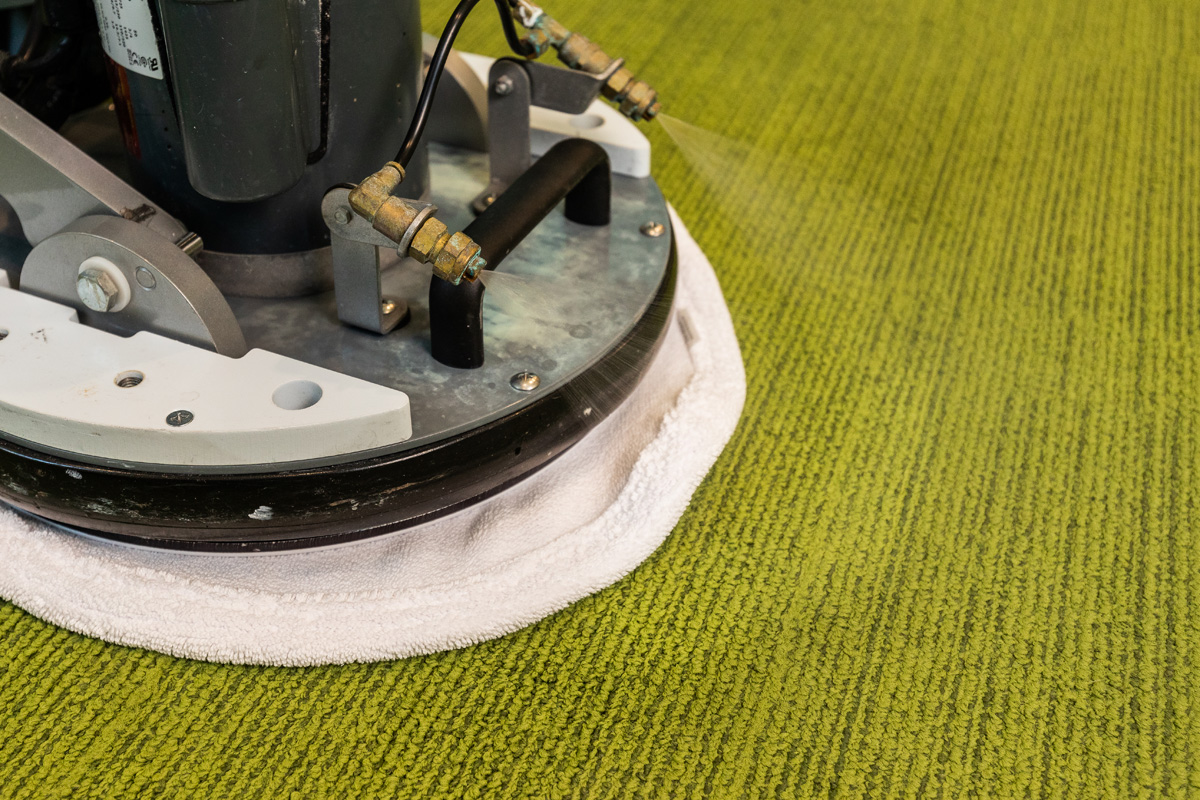
OctoClean needed to grow its franchise network, but its website was not reaching or educating prospective business owners. Candidates had to understand the opportunity, the support behind it, and what set the model apart from other commercial cleaning franchises.

Franchises | Web

2,247%

Increase in website traffic during the engagement

Franchises

Web

Read full story
Close-up of an OctoClean interim carpet cleaning machine treating green office carpet

OctoClean

14Questions

Common questions.

  • What is ecommerce development?

    Ecommerce development is the work of building an online store as a revenue platform: platform selection, catalog architecture, product pages, checkout, integrations with inventory, payments, shipping and CRM, and the measurement that reports on all of it.

  • Which ecommerce platform is best for my business?

    It depends on catalog size and complexity, merchandising and integration needs, content requirements, who operates the store, international and checkout requirements, and scale. We weigh those factors before naming a platform.

  • Does Raincross work with Shopify?

    Yes. We build custom Shopify storefronts, structure catalogs and collections, configure merchandising and navigation, connect integrations deliberately, and wire ecommerce tracking for accurate revenue reporting.

  • Does Raincross work with WooCommerce?

    Yes. WooCommerce fits stores that live inside a larger WordPress content operation or need customization a hosted platform restricts. It carries more hosting, performance, and maintenance responsibility, which we discuss up front.

  • Can Raincross migrate or rebuild an existing ecommerce website?

    Yes. We audit the catalog, content, URLs and integrations, restructure what needs it, map every URL for redirects, handle customer and order data explicitly, and rebuild tracking so before and after reporting is comparable.

  • How long does ecommerce development take?

    It depends on catalog complexity and how many systems the store integrates with, not on page count. We scope the timeline after assessing the catalog and integration list.

  • How does ecommerce SEO work?

    Ecommerce SEO is mostly structural: category architecture, product taxonomy, internal linking, URLs, canonical and faceted navigation handling, product structured data, page speed, and supporting editorial content.

  • Can Raincross integrate inventory, CRM, shipping, and payment systems?

    Yes. Payments, tax, shipping, inventory, CRM, and email platforms are connected as part of the architecture, with the data path and failure behavior defined, documented, and tested before launch.

  • How is ecommerce conversion tracking implemented?

    We implement the full ecommerce event set, from product views through checkout steps to purchases and refunds, feed it to analytics and ad platforms, handle consent and deduplication, and verify with real transactions before launch.

  • Does Raincross provide ongoing ecommerce support?

    Yes. Ongoing support covers platform and security updates, performance monitoring, merchandising and catalog changes, integration health, tracking verification, and evidence led improvement of product and checkout pages.

Ecommerce development

Start with the catalog, not the cart

Tell us what you sell, how it is structured, and which systems run the operation. We will tell you what that requires technically, and what it will cost to operate once it is live.

Call (800) 505-7570. Working with regional and national brands since 1998.