Video bought on audience, not placement

Capability
01 Advertising
Service
Programmatic Video
Typical engagement
Twelve weeks to first measured read
Measured on
Verified outcomes, not impressions

Programmatic video is the automated purchase of video impressions across premium publishers, streaming platforms, mobile apps, and connected devices. The decision is not which site to appear on. It is which person to reach, in which moment, and what that view is worth against a real outcome.

0%

median video completion rate on curated in-stream supply

0.0×

incremental lift against a matched-market holdout

0%

lower cost per qualified lead after creative variants by placement

0

week window before budget is scaled

Selected clients

01Formats and targeting

The parts of a video buy, in plain terms.

Programmatic video has its own vocabulary. These are the distinctions that change what a campaign costs and what it can be held to.

  • 01

    In-stream video

    Ads that play inside a video player alongside publisher content, as pre-roll before the content, mid-roll during it, or post-roll after it. Attention is high because the viewer came for video.

    • Pre-roll
    • Mid-roll
    • Post-roll
    • Sound on
  • 02

    Out-stream video

    Video units placed inside article pages and feeds where no player exists. Reach is broad and cost is lower, so viewability thresholds and completion expectations have to be set separately.

    • In-article
    • In-feed
    • Sound off default
    • Lower CPM
  • 03

    Online video and streaming

    Premium publisher video, streaming platforms, mobile applications, and connected devices bought through a single demand-side platform rather than negotiated property by property.

    • OLV
    • Streaming apps
    • Mobile in-app
    • Connected devices
  • 04

    Audience and context signals

    Behavioral, contextual, and geographic signals combined rather than chosen between, with frequency and brand safety controls applied across every line.

    • Behavioral
    • Contextual
    • Geographic
    • Frequency capped
02The experts behind the work

Meet some of the Raincross experts behind Programmatic Video.

A selection of the specialists who lead and shape this work, supported by a broader multidisciplinary team.

03Overview

Video is a storytelling channel with an auction underneath it.

Programmatic video is often reduced to a single platform. It is not television, and it is not YouTube alone. It is the ability to buy video impressions across thousands of premium publishers, streaming services, and applications through one seat, priced individually against the audience watching.

That changes the planning question. Instead of asking which properties to book, we ask who the message needs to reach, how often, and in what sequence. Inventory becomes a means of reaching that person rather than the thing being purchased.

Video also carries the highest creative burden of any digital channel. A completed view means nothing if the story did not land or the message never asked for anything. We build video as narrative first, then use audience data, frequency management, and completion signals to decide where that narrative earns its next dollar.

We buy audiences, not video placements. Inventory is curated to premium publishers, and every impression is verified for viewability and brand safety.

Fig. 01Buying workflow
Audience intelligence enters the demand-side platform, premium video inventory is priced impression by impression, and completion data flows back into the audience definition.
0%+
video completion rate threshold before inventory is scaled
0
household frequency ceiling across video, display, and audio
04Networks and publishers

Where video inventory comes from.

Publisher and platform sources we buy against, chosen for completion quality and verified placement rather than cheap reach.

Streaming and CTV

  • Hulu logoHulu
  • Peacock logoPeacock
  • Paramount+ logoParamount+
  • Roku logoRoku
  • Tubi logoTubi
  • Pluto TV logoPluto TV
  • Samsung TV Plus logoSamsung TV Plus
  • YouTube TV logoYouTube TV
  • and more...

Network programming

  • ESPN logoESPN
  • CNBC logoCNBC
  • AMC logoAMC
  • Food Network logoFood Network
  • USA Network logoUSA Network
  • Discovery logoDiscovery
  • National Geographic logoNational Geographic
  • TNT logoTNT
  • and more...

Online video

  • YouTube logoYouTube
  • Meta logoMeta
  • TikTok logoTikTok
  • Amazon DSP logoAmazon DSP
  • and more...
05Platforms and technology

The stack behind the work.

We are platform-independent. Tooling is chosen per engagement, and every account is client-owned.

Demand-side platforms
  • Basis logoBasis
  • The Trade Desk logoThe Trade Desk
  • DV360 logoDV360
  • StackAdapt logoStackAdapt
  • Yahoo DSP logoYahoo DSP
  • Amazon DSP logoAmazon DSP
  • and more...
Inventory and data
  • Premium publisher networks
  • Private marketplaces
  • LiveRamp
  • First-party CRM onboarding
  • Contextual providers
  • and more...
Verification and measurement
  • IAS and DoubleVerify
  • Moat
  • Peer39
  • Geo holdout testing
  • Looker Studio reporting
  • and more...
06Problems solved

What this work is usually brought in to fix.

Six failure patterns we see repeatedly, and what we change about each.

Views counted as outcomes
A view is an input. We read completion and attention as quality signals, then measure the channel against business results, not view volume.
One platform mistaken for the market
Buying a single video platform limits reach to that platform's audience. Programmatic reaches premium video across the open internet, streaming, and apps from one seat.
Out-stream inventory bought blindly
Out-stream units can be cheap and unseen. We separate in-stream and out-stream lines, hold different viewability thresholds for each, and price them accordingly.
Frequency that becomes fatigue
Without cross-channel caps at the household level, the same person sees the same story until it works against the brand. Caps are set before launch, not after complaints.
One cut used everywhere
A thirty second brand film is not a mid-roll performance asset. We produce length and message variants by placement type and funnel stage.
Brand safety assumed rather than verified
Video adjacency carries real risk. Pre-bid controls, inclusion lists, and post-bid verification are standing requirements, and exclusions are documented for regulated categories.

07Who it's for

Where this service earns its place.

If none of these describe the situation, we will say so before a proposal is written.

  • 01

    Brands with a story that needs motion

    Products and services that are easier to demonstrate than to describe in a static unit.

  • 02

    Advertisers moving beyond a single video platform

    Teams that have exhausted one platform's audience and need premium video reach across the open internet.

  • 03

    Considered-purchase categories

    Long cycles where video builds the familiarity that search and social later convert.

  • 04

    Multi-location and regional advertisers

    National creative frameworks that need local geography, budget, and message control.

  • 05

    Teams with first-party data

    CRM and transaction data that can be activated as video audiences and suppression lists.

  • 06

    Categories with compliance requirements

    Healthcare, finance, and public programs that need documented exclusions and verified adjacency.

08Our approach

We buy the viewer and the moment, not the video slot

Programmatic video works when the audience definition, the inventory policy, and the creative are decided together. A precise audience reached with a weak story wastes money quietly. A strong story sent to the wrong audience wastes it loudly.

In practice: audience first, premium supply second, creative built per placement type, frequency capped at the household, and completion read as a quality signal rather than a result.

Fig. 02

Traditional video buying and programmatic video, step for step.

Traditional video buying selects websites, runs a flight, and reviews the results after it ends. Programmatic video starts with audience data, buys automatically across devices, and revises the buy while the campaign is still live. The difference is where the decision is made and how often it can be changed.

Every video impression is scored on audience fit, content context, and supply quality before a bid is placed.

One audience is delivered across desktop, mobile, and connected screens with a shared frequency cap.

Completion rate and viewability gate the inventory that is allowed to scale.

Fig. 02Placement buying against audience buying
09Process

How the work runs.

Eight stages, run in order. Measurement design is agreed before any budget is committed.

10Capabilities

What is included.

Scoped per engagement. Most programs use four or five of the capabilities below.

  • 01

    Audience modeling

    First-party segments, modeled lookalikes, and contextual signals built for video reach rather than borrowed from display.

  • 02

    In-stream and out-stream planning

    Separate lines, thresholds, and creative for player-based and feed-based video, priced against what each is actually worth.

  • 03

    Premium supply curation

    Publisher networks, private marketplaces, and direct deals reviewed monthly, with open exchange used as a residual.

  • 04

    Cross-device delivery

    One audience reached across desktop, mobile, tablet, and connected screens with unified frequency and reporting.

  • 05

    Frequency management

    Household caps applied across video, display, and audio so the same person is not over-served by three line items.

  • 06

    Brand safety and verification

    Pre-bid category and adjacency controls with post-bid verification, plus documented exclusions for regulated clients.

  • 07

    Creative optimization

    Hook, length, and end-frame variants tested continuously, with completion and downstream action read together.

  • 08

    Incrementality testing

    Geo holdouts, matched markets, and control cells that produce a defensible lift number for video spend.

Fig. 03

What a video report looks like.

The business outcome sits above three standing indicators: video completion rate, verified viewability, and cost per measured result. No platform screenshots.

Completion and viewability are leading quality signals, not the result the program is judged on.

The outcome is read against a holdout rather than a platform attribution model.

Fig. 03Outcome, quality, efficiency

Talk it through

Ask us what your video budget is actually reaching

Send a recent video report. We will tell you what share completed, what share was viewable, and what it would take to prove the rest moved the business.

11Capability

01

Advertising

Media planned and bought against the buying journey rather than the platform, with direct channels like email activated in the same plan. The focus is measurable performance, not simply placement, so every dollar reads cleanly against revenue.

14Industry applications

How programmatic video changes by industry.

The workflow stays the same. The audience definition, the inventory policy, and the outcome being measured do not.

  • 01

    Healthcare

    Service line awareness built from contextual and geographic signals rather than sensitive behavioral data, with documented exclusions and verified adjacency. Video explains a procedure or a care pathway that no static unit can, and is measured to appointment requests.

  • 02

    Tourism

    Destination video does the work of persuasion, delivered into origin markets during the planning window and sequenced from inspiration to booking. Measured to booking value rather than views.

  • 03

    Retail and e-commerce

    Product demonstration and seasonal storytelling at the top of the funnel, with first-party purchase data used for suppression and lookalike seeding. Measured to incremental revenue against a matched-market holdout.

  • 04

    Manufacturing

    Complex capability shown rather than described, delivered to small firmographic buying committees across trade and technical video inventory. Measured to qualified inquiries and pipeline across long consideration cycles.

  • 05

    Environmental

    Policy makers, commercial buyers, and residents each reached with a different cut of the same story, placed against sustainability and civic coverage. Measured to consultation attendance and program enrollment.

  • 06

    Home services

    Tight service-area geography, seasonal demand curves, and household frequency caps. Video creates the demand that search later captures, and the two are read together rather than credited separately.

  • 07

    Higher education

    Campus and program storytelling for prospective students, parents, and adult learners as distinct audiences, sequenced across the inquiry, application, and deposit windows of the enrollment calendar.

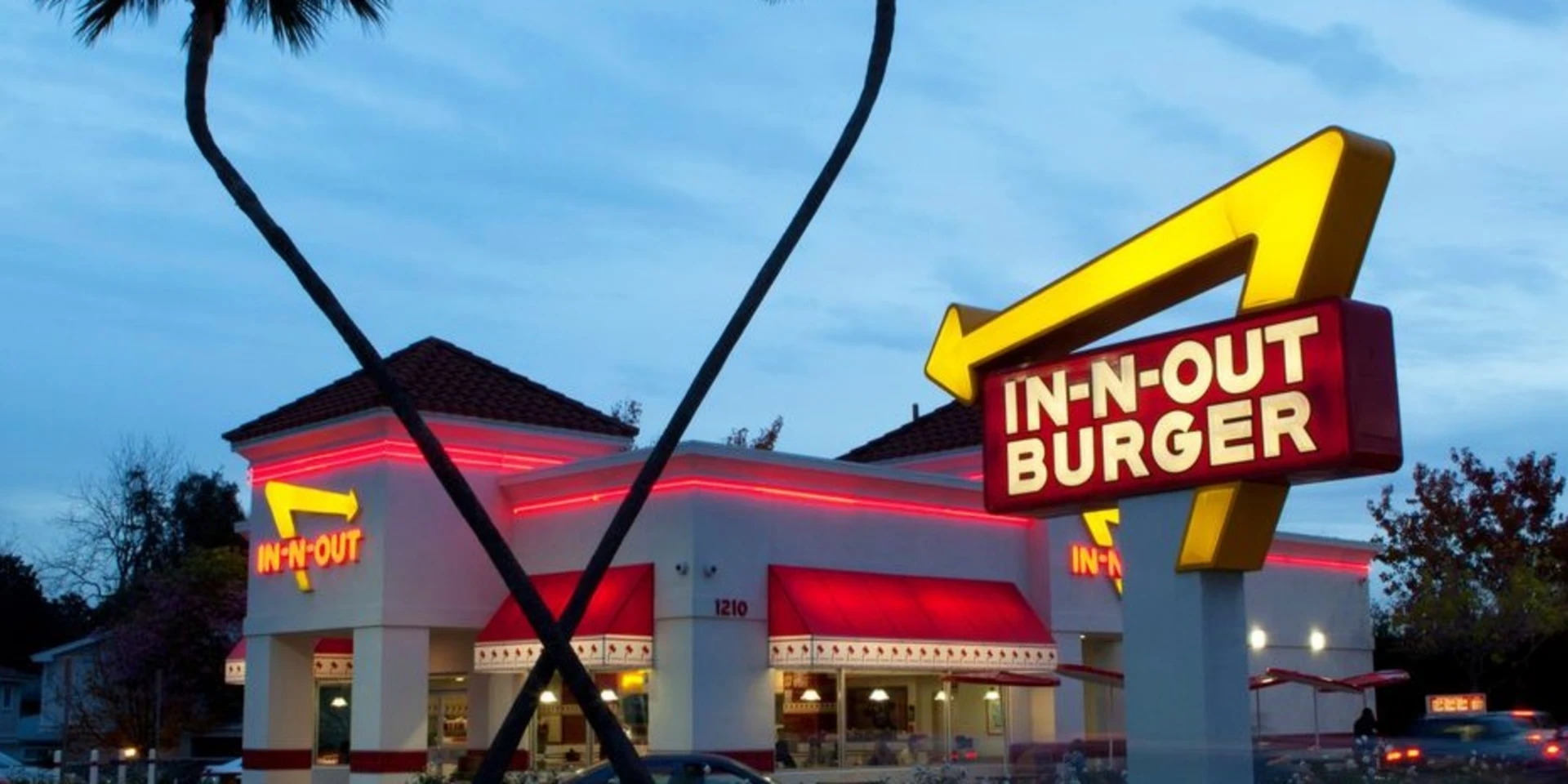
In-N-Out Burger restaurant and neon sign at dusk

In-N-Out Burger

Awareness was never the problem. The opportunity was proximity: making it effortless to find a nearby location at the exact moment of the decision. Most of those searches happened on a phone with immediate intent, someone wanting hours, directions, or the closest restaurant, not information about the brand.

01 Industry

Franchises. Advertising.

02 What we did

Awareness was never the problem. The opportunity was proximity: making it effortless to find a nearby location at the exact moment of the decision. Most of those searches happened on a phone with immediate intent, someone wanting hours, directions, or the closest restaurant, not information about the brand.

0

High-intent local search patterns targeted

Read the full case study
15Selected engagements

Proof, with the holdout shown.

View all case studies
HUB International logo

Insurance is one of the most competitive categories in paid search, and HUB International served industries whose needs had almost nothing in common. A business researching employee benefits needed a different message than one evaluating cyber liability, and the budget had to stay clear of claims, careers, and consumer traffic.

Professional services | Advertising

10

Campaign themes structured by insurance need

Professional services

Advertising

Read full story
HUB International signage on a modern glass office building

HUB International

01 / 02

17Questions

Common questions.

  • What is programmatic video advertising?

    It is the automated buying of video impressions across premium publishers, streaming platforms, mobile apps, and connected devices. Each impression is evaluated in real time against the audience watching, the content context, and the quality of the supply path, then bought individually rather than booked as a placement.

  • How is programmatic video different from YouTube advertising?

    YouTube is one platform with one audience and one auction. Programmatic video buys video inventory across thousands of publishers, streaming services, and applications from a single seat, using your own audience data and your own measurement. Most programs use both, but they should not be confused with each other.

  • What is the difference between in-stream and out-stream video?

    In-stream video plays inside a video player as pre-roll, mid-roll, or post-roll alongside content the viewer chose. Out-stream video appears in articles and feeds where no player exists. In-stream typically earns higher attention and completion. Out-stream extends reach at lower cost and needs its own viewability threshold.

  • How does programmatic video fit within programmatic media buying?

    It is one execution channel within the discipline. Programmatic media buying sets the audience strategy, the seat, the data contracts, and the measurement framework. Video, display, audio, and connected TV then run inside that framework with shared audiences and shared frequency caps.

  • What metrics matter in programmatic video?

    Video completion rate and verified viewability are the quality signals that decide which inventory is allowed to scale. Neither is the result. The program is judged on the business outcome measured against a holdout, with cost per measured result reported beside it.

  • How do you protect the brand in video environments?

    Pre-bid category and adjacency controls, curated inclusion lists, private marketplaces, and post-bid verification through independent partners. For regulated categories the exclusion policy is documented and reviewed rather than assumed.

  • How much creative do we need?

    More than one cut, fewer than you fear. A workable starting set is a long form asset for in-stream, a shorter variant with an early hook for out-stream and feeds, and captioned versions for sound-off environments. Variants are then tested against completion and downstream action.

  • Who owns the platform seats and the data?

    You do. Seats, contracts, audiences, and log-level data are held in your name and our fee is stated separately from working media. If the relationship ends, the program keeps running.

Begin a conversation

Send us a video report

We will read the audience, the inventory, the completion data, and the attribution, then tell you what the budget is really buying and what we would change first.

Programmatic video engagements begin with an audience and inventory audit before any seat is opened.